
Establishing a Morning Breathing Practice
Starting a morning breathing routine can have a significant impact on your health and set the tone for a successful day. These simple practices can easily be incorporated into your daily schedule and help you start your day feeling refreshed and ready to face any challenges. Whether you choose to practice in bed upon waking or in your car before or after your commute, adding a few minutes of pranayama to your morning routine can leave you feeling rejuvenated and energized, ready to tackle whatever comes your way.
What is Morning Breathing Practice?
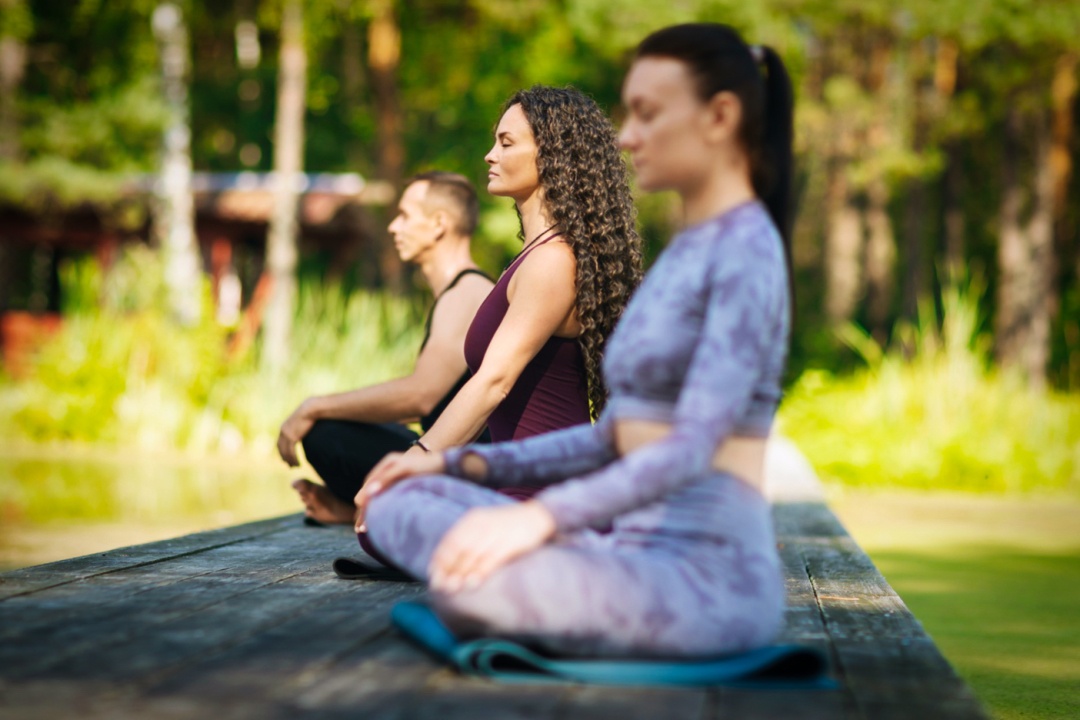
Morning breathing involves the mindful and intentional practice of breath-based exercises for a few minutes each morning. While these exercises are typically done in a seated position, they can also be practiced while lying in bed or standing. The goal of incorporating deep breathing exercises into your morning routine is to boost your energy, focus, and sense of calm for the day ahead.
Benefits of Morning Breathing Exercises
The key benefit of morning breathing practice is increased awareness. By starting your day with a few minutes of focused breathing, you can help your mind and body relax and find balance. This sense of calm and centeredness can carry you through the day, allowing you to stay focused on what truly matters and avoid getting caught up in distractions. Additionally, practicing pranayama in the morning can lead to improved oxygen and blood flow, reduced blood pressure, enhanced lung capacity, better concentration, and a greater sense of calmness.
Chest Breathing vs. Diaphragmatic Breathing
Many of us tend to breathe shallowly from the chest, especially during times of stress or anxiety. This type of breathing can contribute to feelings of anxiety and tension in the body. By practicing morning breathing exercises, you can increase your awareness of unhealthy breathing patterns and consciously shift to diaphragmatic breathing. This can help calm the nervous system, focus your mind, and center your emotions, leading to a sense of calm and reduced stress.
How Long Should Morning Breathing Practice Last?
If you’re new to pranayama, it’s recommended to start with 2-5 minutes of belly breathing and gradually increase the duration as you become more comfortable with the practice. As you become more experienced, you can extend your practice to 10 or 15 minutes or longer. The key is to listen to your body and adjust the duration of your practice as needed to experience the benefits of peace and calm throughout the day.
Morning Breathing Exercises
There are several deep breathing techniques to choose from, each offering unique benefits for your physical and mental well-being. Whether you prefer diaphragmatic breathing, three-part breath, box breathing, alternate nostril breath, ocean-sounding breath, skull shining breath, or chanting breath, experiment with different techniques to find what works best for you.
Morning Breathing Tips
- Find a comfortable seated position for your practice.
- If you feel dizzy or uncomfortable, take a break and sit quietly until you feel better.
- Don’t force anything; practice at your own pace.
- Keep your eyes closed during pranayama to focus on your breath.
- Ensure you get enough sleep to complement your practice.
- Start small if you’re new to pranayama and gradually increase the duration of your sessions.
- For best results, combine your breathing practice with a morning yoga session.
- Be patient and consistent with your practice to experience long-term benefits.
- If you have a medical condition, consult your doctor before starting a pranayama practice.
Choosing the Right Breathing Technique
With various breathing techniques available, it can be challenging to determine which one is best for you. Consider your goals and preferences when selecting a technique and pay attention to how each practice makes you feel mentally, physically, and emotionally. Keep a record of the effects of each technique to identify which one has the most positive impact on your energy and mood.