
Getting sufficient sleep can be quite challenging, especially during busy school or work weeks or times of stressful life changes. If you’re looking to enhance the quality and duration of your sleep, consider incorporating an evening pranayama breathing practice. Spending a few minutes engaging in a calming breathing exercise can be a simple yet effective way to quiet your mind, alleviate anxiety, and relax your body to promote better sleep. Yoga provides a variety of breathing techniques that can help you ease into a deep and restful state of relaxation, preparing both your body and mind for rest.
The Impact of Breathing on Sleep
Our breath plays a fundamental role in regulating our bodies and emotions, significantly impacting our health and overall well-being. The respiratory system automatically adjusts the rate and depth of our breath in response to various external factors such as sleepiness, stress, exercise, and emotional states.
Breathing is a crucial aspect of yoga and has been utilized for centuries to influence the flow of energy within the body. Pranayama leverages the connection between breath and the autonomic nervous system to modify our mental, emotional, and energetic states.
Mouth vs. Nose Breathing
Mouth breathing and nasal breathing produce distinct energetic and emotional effects. Exhaling through the mouth can help release built-up emotions and stress, providing a cooling effect on the body. In contrast, breathing through the nose, commonly practiced in yoga, promotes calmness and concentration. Mouth breathing is generally discouraged as it may elevate heart rate, blood pressure, and trigger a stress response.
Belly Breathing
Abdominal breathing serves as the foundation for all pranayama practices. By breathing into the belly, you engage the diaphragm, activating the parasympathetic nervous system and the body’s natural relaxation response. Chest breathing demands more physical effort and is linked to the “fight or flight” stress response.
Shallow breathing can agitate the mind and fuel anxiety, while slow, deep breaths are calming, soothing, and nourishing. Practicing slow diaphragmatic breathing can calm your mind, lower your heart rate, and relax your body, aiding in stress reduction and faster sleep onset. Yoga breathing exercises can help reset your default breathing pattern, promoting abdominal breathing throughout the night.
Counting with Breathing
Rhythmic breathing exercises are common in yoga, with many individuals claiming that counting breath cycles with specific timed ratios enhances their sleep by diverting focus to the counting process. Extended exhalation, where the exhale is longer than the inhale, is believed to be calming and stress-reducing. The popular 4-7-8 breath ratio, explained below, is one of the most favored techniques. Various breathing ratios can be explored on our main pranayama page.
Breathing Techniques for Sleep
Implementing the following seven breathing exercises can facilitate relaxation of both body and mind, making it easier to fall asleep. While these pranayamas can be practiced at any time, they are most effective when done just before bedtime, ideally 30 minutes to an hour before sleep. These exercises are particularly beneficial for acute insomnia and temporary sleep disruptions. Although yoga breathing can aid chronic insomnia, anxiety attacks, and other sleep disorders, it is not a substitute for professional medical care or assistance from a qualified sleep specialist.
Diaphragmatic Breathing
Also known as belly breathing, diaphragmatic breathing is a fundamental relaxation exercise for beginners. By focusing on deep breaths that cause the belly to rise and fall while the chest remains mostly still, this meditative breath helps reduce stress, induce relaxation, and enhance lung capacity and efficiency.
 Three-Part Breathing
Perfect for beginners, the three-part breathing technique, known as Dirga Pranayama, builds upon diaphragmatic breathing. This calming technique enables you to clear your mind by focusing entirely on how your breath moves through the abdomen and chest. Regular practice of this breathing method is believed to alleviate chronic stress and prevent panic attacks.
4-7-8 Breathing Technique
Popularized by Andrew Weil, the 4-7-8 breathing exercise incorporates a counting ratio with diaphragmatic breathing and breath retention. Many find this technique to be a natural tranquilizer, aiding in relaxation and swift sleep onset. To practice, combine belly breathing or the three-part breathing technique, inhaling for a count of 4, holding the breath for 7 counts, and exhaling for 8 counts. Repeat this cycle four times, gradually extending the practice duration.
Box Breathing or Square Breathing
Another counting ratio method involving diaphragmatic breathing and breath retention is Sama Vritti Pranayama. Known as Box, square, or equal breathing, this technique utilizes a 4-4-4-4 ratio to harmonize and balance the flow of prana through the body’s energy channels. This four-part breathing exercise is primarily practiced to calm and balance the mind and body, reducing mental stress and worry. Sama Vritti can also help slow the heart rate, boost oxygen to the brain, and decrease anxiety.
Alternate Nostril Breathing
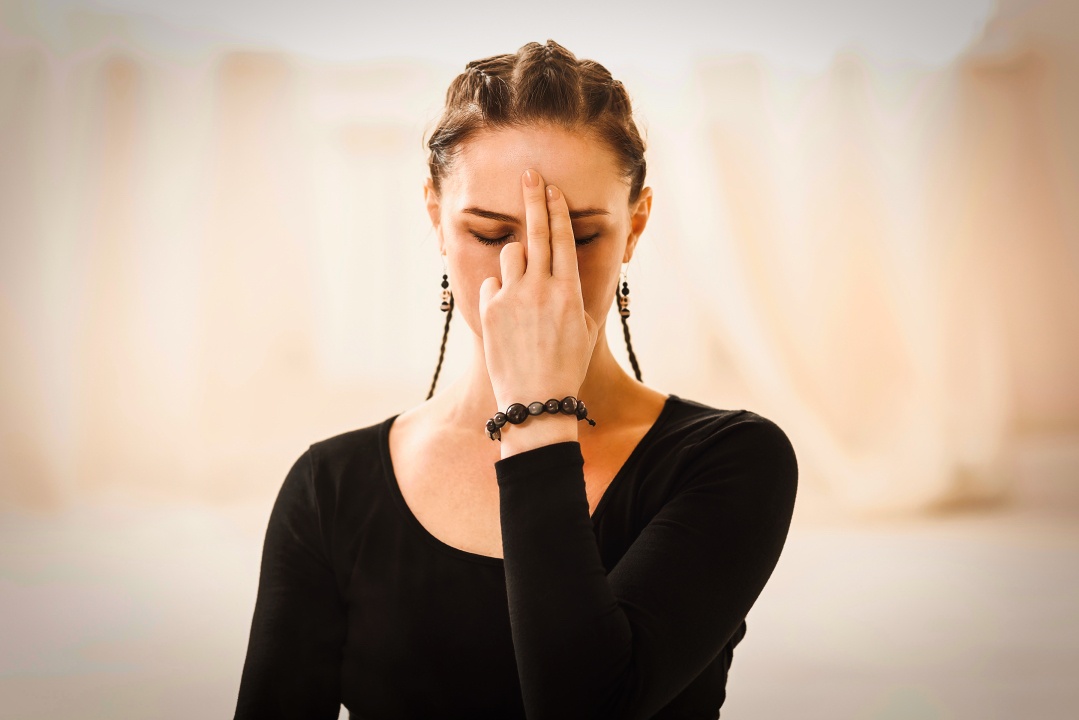
Nadi Sodhana Pranayama, or alternate nostril breathing, involves using your fingers to close one nostril while breathing out through the other. This calming and balancing technique helps relax the body, preparing it for sleep. It may be challenging to practice this method when ill or experiencing nasal congestion.
Bhramari Pranayama
Known as “bee breath,” Bhramari Pranayama entails producing a humming sound during the exhale. This slow, deep breathing technique can minimize external distractions, lower heart rate, and blood pressure, priming the body for sleep.
Mantra or Affirmation
Mantras are sacred Sanskrit sounds used in mantra meditation, while affirmations are brief positive phrases employed to counter negative thought patterns, akin to repetitive prayers. When combined with diaphragmatic or three-part breathing, mantras and affirmations can foster a deeper sense of calm and inner peace. If you find your mind racing with thoughts at bedtime, practice repeating a mantra or affirmation while taking deep breaths for a few minutes.
Yoga Nidra
Yoga Nidra involves a mindful body scan where you visualize different body parts relaxing with each inhale and exhale. This progressive relaxation method is effective in alleviating deep-seated anxiety, stress, and tension, preparing the body for sleep. You can access free Yoga Nidra videos on YouTube, ranging from 10 to 30 minutes in length.
Timeline for Results
The timeframe for observing results varies among individuals and depends on several factors. While some may notice improvements after a few days, others may require weeks, months, or even years to experience progress. Consistent practice is key, as the more you engage in these techniques, the sooner you are likely to see benefits.
Choosing the Right Breathing Technique
With numerous breathing techniques available, selecting the most suitable one can be challenging. When it comes to breathing practices, there isn’t a one-size-fits-all approach. Different techniques offer various benefits and can help achieve diverse outcomes. Begin with a technique that feels most natural to you, noting how each exercise affects you mentally, physically, and emotionally. Keep track of the techniques that have the most significant impact on your sleep using a journal or similar method.