
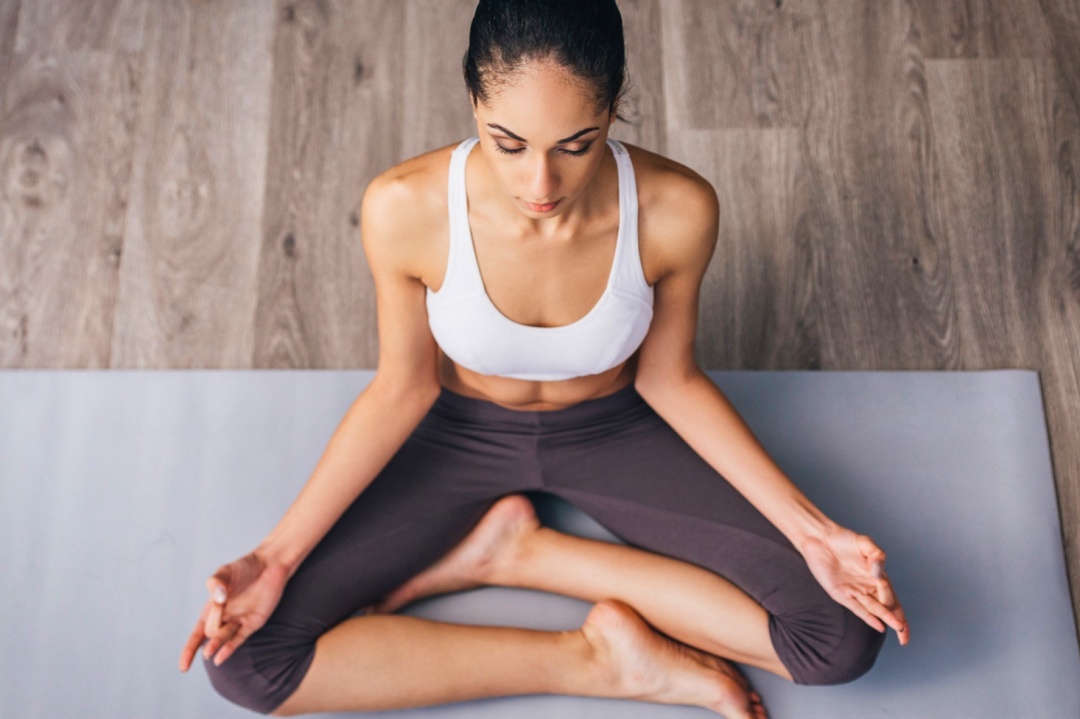
Utilizing the breath mindfully plays a vital role in the practice of yoga. While there are various breathing techniques available, the primary breath to focus on during your yoga routine is diaphragmatic breathing, also known as belly breathing or abdominal breathing. This method involves utilizing the diaphragm rather than the chest to breathe, requiring less exertion and energy. By incorporating diaphragmatic breathing into your practice, you can reduce stress and anxiety, as well as enhance overall health and well-being. Unless directed otherwise by your yoga instructor, make sure to maintain diaphragmatic breathing throughout your entire yoga session.
Understanding the Diaphragm
The diaphragm serves as the main muscle responsible for breathing. Positioned between the lungs and abdomen, just below the ribcage, this large dome-shaped muscle moves up and down as you breathe, enabling air to enter your lungs. In contrast, the intercostal muscles located between the ribs are considered accessory breathing muscles that are engaged during chest breathing, requiring more effort and energy compared to utilizing the diaphragm.
Exploring Diaphragmatic Breathing
Diaphragmatic breathing involves consciously breathing solely with the diaphragm, keeping the intercostal muscles relaxed. This results in the abdomen rising and falling with each inhalation and exhalation, while the rib cage remains relatively still.
Advantages of Belly Breathing
Breathing exercises have been utilized for centuries to promote health and well-being. There are seven key benefits associated with belly breathing that can enhance and support your yoga practice. By incorporating belly breathing, you not only alleviate stress and anxiety that may hinder your practice but also establish a stronger connection between your mind, body, and breath. Mastering this breathing technique in your practice can ultimately help you achieve your full potential.
- Reduces stress and promotes relaxation
Yoga breathing aids in stress reduction by triggering the relaxation response, lowering cortisol levels, and enhancing blood circulation throughout the body. This increased oxygenation in the bloodstream improves brain function, releases endorphins, and induces feelings of happiness and relaxation. - Enhances energy levels
By practicing belly breathing, you can slow your breathing and heart rate, optimizing the efficiency of your heart and lungs. This approach conserves energy by not engaging the chest muscles excessively, freeing up more energy for other activities and diminishing feelings of fatigue. - Boosts immune function
Research indicates that belly breathing can bolster immune response. A study conducted in 2018 demonstrated that practicing deep breaths increased the production of lymphocytes, crucial for a robust immune system. - Alleviates pain
Deep breathing fosters improved blood and oxygen circulation, encouraging muscle relaxation. This decrease in muscle tension and spasm ultimately leads to reduced pain. - Lowers blood pressure
Recent studies have shown that contemplative belly breathing can significantly reduce blood pressure. Remarkably, this reduction was observed with just 9 minutes of daily practice. - Strengthens the lungs and diaphragm
Engaging in deep breathing prompts the diaphragm to contract, strengthening both the diaphragm and lungs. Actively involving the diaphragm enhances lung capacity, volume, and efficiency. - Improves core muscle stability and posture
By activating the diaphragm through belly breathing, you also fortify the core muscles of the body. This activation of deep and side-core abdominal muscles stabilizes the pelvis, spine, and posture. Additionally, maintaining a tall and straight spine during belly breathing exercises enhances comfort and efficacy.

Technique for Diaphragmatic Breathing
Here are five steps to practice diaphragmatic breathing. Aim to incorporate this pranayama for 5-10 minutes, 1-2 times daily.
- Sit comfortably with a straight and elongated spine. If seated on the floor, you can use a cushion or folded blanket under the hips for support. When seated on a chair, ensure both feet are flat on the floor.
- Close your eyes or soften your gaze and take several deep breaths through your nose. Allow your body to relax, directing your focus to your breath. Ensure there is no tension in the shoulders, neck, or face.
- Place one hand on your upper chest and the other on your abdomen. Inhale slowly through your nose until you feel your abdomen gently rise against your hand. Exhale slowly, feeling your abdomen fall away from your hand towards your spine.
- Strive for slow and deep breaths with only the abdomen moving. Aim to minimize chest movement as much as possible. Continue this deep breathing practice for several minutes.
- Once you grasp the technique, work on implementing belly breathing during yoga sessions, particularly when holding challenging poses. You can also explore additional yoga breathing exercises to complement your practice.
Tips for Breathing Practice
- Engage in breathing exercises in moderation and without strain. If you feel fatigued or dizzy, pause and rest.
- Start with small increments when practicing any breathing technique, gradually increasing the duration each week.
- When feeling anxious or stressed, avoid forcing deep breaths. Instead, focus on relaxing your mind and body before commencing your session.
- While deep breathing techniques aid in reducing stress and anxiety, they are not substitutes for therapy or medication.
- Utilizing diaphragmatic breathing, especially in conjunction with meditation, proves particularly effective in calming the mind and body.
- If you have a medical condition, consult your healthcare provider before initiating any yoga or breathing exercises.