
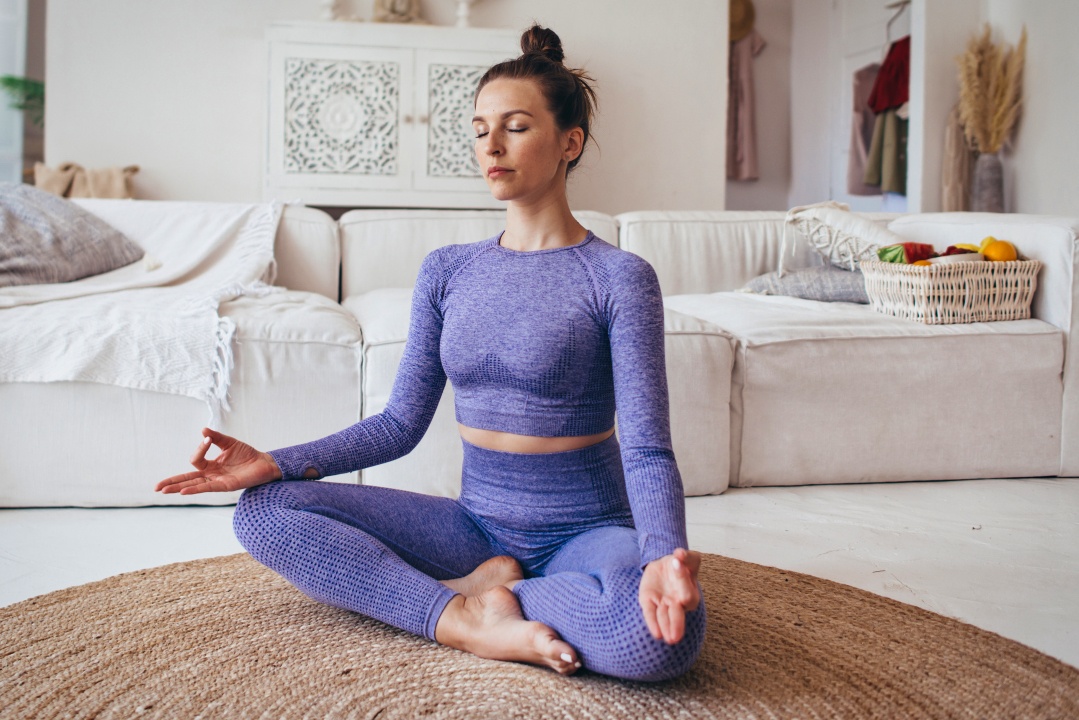
Many practitioners of yoga believe that mastering the breath is a crucial aspect of their practice. By gaining control over the breath, one can also control their life force energy, known as prana, which influences thoughts, emotions, and actions. Sama Vritti Pranayama is a simple yet powerful breathing technique that can help create a sense of calm and tranquility in the mind. This practice serves as a foundation for enhancing meditation and yoga, enabling individuals to delve into more advanced pranayamas.
Understanding Sama Vritti Pranayama
Sama Vritti Pranayama, also referred to as equal breath or box breathing, focuses on maintaining a balance in mental fluctuations through a specific ratio of inhalation, exhalation, and breath retention. The primary objective is to quiet the mind and reduce distractions.
Benefits of Sama Vritti Pranayama
Practicing Sama Vritti Pranayama helps harmonize and balance the flow of prana within the body’s energy channels. This technique is designed to promote mental and physical equilibrium, alleviating stress and anxiety. By consciously engaging the diaphragm to facilitate deep breathing, individuals can enhance oxygen flow to the lungs, slow down the heart rate, and cultivate a sense of relaxation and focus.
Utilizing Kumbhaka (Breath Retention)
Integral to Sama Vritti Pranayama is the incorporation of breath retention, known as kumbhaka. This practice aims to strengthen breathing, stabilize the senses, heighten inner awareness, calm the mind, and invigorate the body. It is crucial to avoid holding the breath beyond comfort levels. Advanced practitioners may choose to incorporate bandhas during breath retention to intensify the practice.
Precautions and Considerations
While Sama Vritti Pranayama is generally safe, individuals with specific conditions such as high blood pressure, pregnancy, or respiratory issues should refrain from breath retention. If any discomfort or dizziness arises during practice, it is advisable to return to natural breathing and seek guidance.
Optimal Times for Sama Vritti Pranayama
Sama Vritti Pranayama can be integrated into daily routines, especially when seeking inner peace, balance, and stability. For best results, practice in a quiet environment free from distractions. Incorporating this technique prior to yoga asanas, meditation, or other pranayama practices can enhance overall focus and readiness.
Step-by-Step Guide to Practice
- Find a Comfortable Posture – Sit in a relaxed cross-legged position with a straight spine, ensuring the shoulders are relaxed. Alternatively, use a chair with feet flat on the floor and a straight back. Lying down with knees slightly elevated is also an option.
- Focusing on the Breath – Inhale and exhale through the nose using diaphragmatic breathing, allowing the belly to rise and fall gently.
- Establishing a Rhythm – Gradually deepen and slow down the breath, maintaining a comfortable pace throughout the practice.
- Engage in the Breath Cycle
• Inhale for a count of 4.
• Hold the breath for a count of 4.
• Exhale for a count of 4.
• Hold the breath out for a count of 4. - Repeat the Cycle – Continue the four-part breathing sequence for 2-6 rounds, gradually increasing to 10-30 breaths or a maximum of 10 minutes. Maintain focus and presence throughout the practice.
Tips for Practice
- For a more advanced experience, incorporate ujjayi breathing to enhance warmth and block external distractions.
- To intensify the practice, consider extending the count to 6 for each phase of the breath cycle.
- If facing difficulty, reduce the count to 2 or 3 until comfortable. Alternatively, focus solely on inhalation and exhalation without breath retention.
- Consistent daily practice is recommended to master this technique and reap its benefits fully.
- Ensure that the breath ratio remains equal throughout the practice to maximize the effectiveness of Sama Vritti Pranayama.