
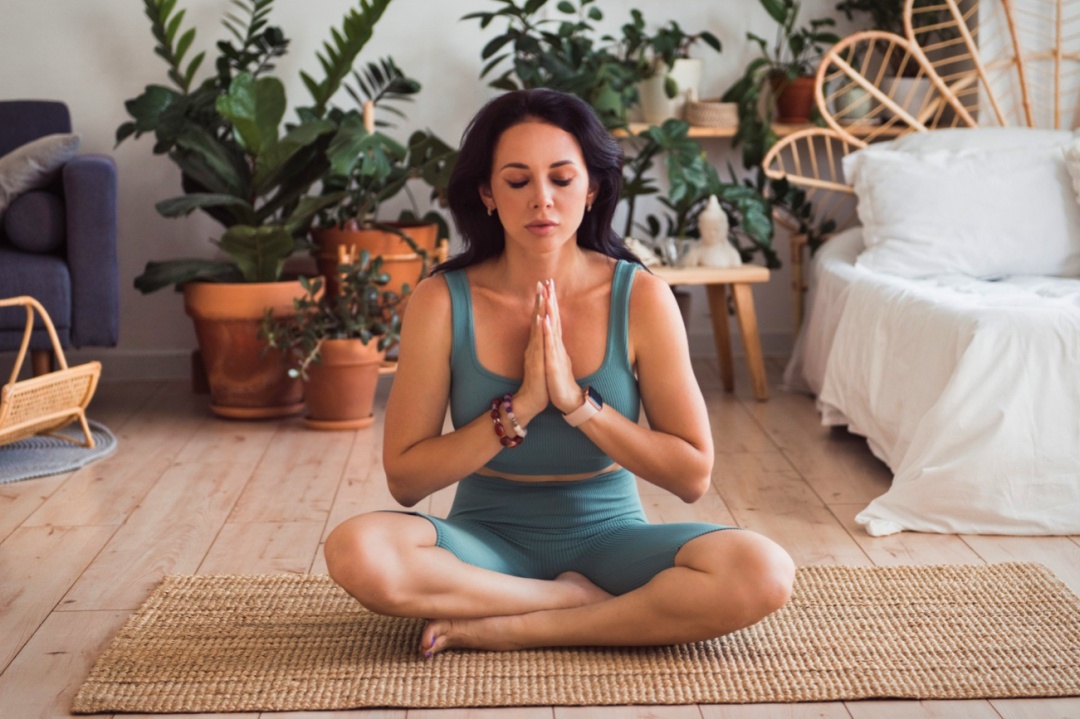
For centuries, yogis have utilized the sacred sound of Om to facilitate meditation and establish a spiritual bond. Udgeeth pranayama, an ancient breathing technique, centers around the Om or Aum mantra’s sound and vibration. Also known as the chanting breath, this straightforward pranayama exercise is valued for its ability to clear the mind, dispel negative thoughts, alleviate stress, enhance sleep quality, boost energy levels, lower blood pressure, and strengthen the immune system.
Understanding Udgeeth Pranayama
Udgeeth translates to “deep and rhythmic chant,” while pranayama denotes breathing exercises or the mastery of breath and energy. Udgeeth pranayama involves rhythmic chanting of the Om mantra. Its roots lie in the term “udgitha” detailed in the Chandogya Upanishad, one of yoga’s oldest texts. This scripture defines udgitha as the chanting of the Om mantra, emphasizing the potent combination of rhythmic Om chanting and controlled breathing.
Benefits of Udgeeth Pranayama
Udgeeth pranayama offers numerous physical and spiritual advantages. This practice enhances concentration and focus, particularly in environments with distracting noises. It aids in dispelling negative emotions like guilt, fear, anger, and sadness. Recent research indicates that this breathing technique can aid in weight loss and improve lung function. Another study revealed that chanting Om for 10 minutes enhances attention, fosters positivity, and fosters social cohesion. Udgeeth pranayama is known to reduce stress, enhance breathing, promote restful sleep, and elevate energy levels. Spiritually, it can induce a trance-like state of awareness and establish a sense of unity with the universe.
Instructions for Udgeeth Pranayama
Follow these six steps for chanting breathing. Practice this pranayama for 2-10 minutes, 1-2 times daily.
- Sit comfortably with a straight spine. Use a cushion for support if seated on the floor or ensure both feet are flat on the ground when seated on a chair.
- Close your eyes or soften your gaze. Take deep breaths through your nose, relaxing your body and focusing on your breath. Release tension in the shoulders, neck, and face.
- Engage in diaphragmatic breathing, allowing only the belly to move with each breath. Chant the Om mantra with each exhalation.
- Exhale slowly without straining. Let your breath produce the sound.
- Concentrate on the vibration of the sound and the breath sensation while chanting Om. Adjust the volume to maintain focus.
- Continue chanting, maintaining slow breaths and focus. Conclude with a moment of silence to integrate the experience.
Tips for Breathing Practices
- Practice breathing exercises moderately and without strain. Rest if you feel tired or dizzy.
- Start with short sessions and gradually increase practice time each week.
- If feeling anxious or stressed, focus on relaxing before beginning breathing exercises.
- While deep breathing reduces stress and anxiety, it complements but does not substitute therapy or medication.
- Consult your doctor before starting any yoga or breathing exercises if you have a medical condition.