
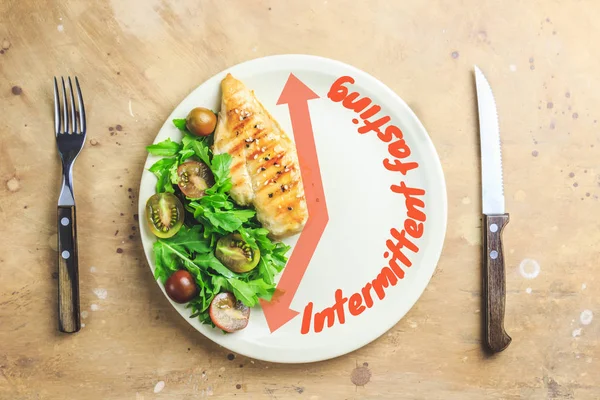
Intermittent fasting is an eating pattern that involves alternating between periods of fasting and eating. The main goal of intermittent fasting is to reduce daily calorie intake by condensing meals into a shorter time frame while still ensuring sufficient nutrient consumption.
A study published in the New England Journal of Medicine has provided evidence from both human and animal research showing the various health benefits of intermittent fasting. These benefits include improvements in blood pressure, heart health, cell repair processes, and reduction of inflammation.
Despite its potential benefits, intermittent fasting can be challenging for many individuals due to factors such as hunger, cravings, lifestyle constraints, medical conditions, lack of preparation, and psychological barriers.
This article will explore strategies to help motivate individuals to engage in intermittent fasting.
10 Tips To Stay Motivated for Intermittent Fasting

Here are some effective ways to maintain motivation and commitment to your intermittent fasting routine:
1. Set Clear Goals
Establishing specific goals is key to staying motivated during intermittent fasting.
Identify your reasons for trying intermittent fasting. Is it for weight loss or overall health improvement?
Monitoring your progress and witnessing positive changes can boost motivation to continue fasting.
2. Ease Into It
Begin with shorter fasting periods and gradually increase the duration as you become more comfortable with the process.
Start with a 6-hour fast and slowly extend it to 8 hours, then 12 hours.
3. Keep Track of Benefits
Documenting the health benefits of fasting can serve as a motivational tool.
Recognizing the positive impact of fasting on your health can inspire you to persist with the practice.
Maintaining a gratitude journal to record these benefits can keep you motivated and committed to fasting.
4. Plan Your Meals
Meal planning is essential for supporting a healthy fasting routine.
Prepare balanced and nutritious meals in advance to avoid impulsive eating decisions during your eating window.
Include nutrient-dense foods in your meals to help curb cravings and maintain satisfaction throughout your eating period.
5. Fast with a Partner
Engaging in intermittent fasting with a friend or partner can provide mutual support and accountability.
Having a fasting buddy can make the experience more enjoyable and encourage adherence to the fasting schedule.
6. Stay Hydrated
Proper hydration can help manage hunger cues and prevent dehydration-related cravings during fasting periods.
Consuming water, tea, or coffee can help you feel full and reduce the urge to eat when fasting.
Staying hydrated can also enhance mood and energy levels, contributing to motivation for continued fasting.
7. Reward Yourself
Implementing rewards for reaching fasting milestones can incentivize adherence to the fasting regimen.
Celebrate achievements, such as completing a 12-hour fast, with a meaningful reward like a massage or outing.
Using rewards can reinforce positive behavior and encourage longer fasting durations.
8. Monitor Progress
Tracking your fasting progress is a valuable method for staying motivated and focused.
Utilize tools like food diaries or fasting apps to monitor your journey and stay motivated by visualizing your advancements.
9. Join a Support Group
Engaging with a wellness community can provide encouragement, inspiration, and shared success stories to boost motivation.
Participating in a group setting can offer additional support and motivation to sustain your intermittent fasting practice.
10. Keep Busy
Engaging in activities and staying occupied can help distract from thoughts of hunger and food cravings during fasting periods.
Remaining focused on tasks can reduce the temptation to eat and support adherence to your fasting schedule.
Initiating Fasting
Fasting begins immediately after consuming your final meal, initiating the process of burning stored glycogen for energy.
Breaking Your Fast Correctly
Knowing how to end your fast properly is crucial for maintaining balance in your body.
Start by rehydrating with water before consuming protein-rich foods such as fish, meat, chicken, or eggs.
Avoid high-sugar and calorie-dense foods and practice moderation during your eating window to optimize the benefits of fasting.
Conclusion
Intermittent fasting can be a challenging yet rewarding practice for enhancing overall health and well-being. By implementing the strategies outlined above, individuals can find motivation and support to sustain their intermittent fasting routine successfully.
Please follow and like us: