
The Buddha identified attachment and aversion as the primary obstacles to finding peace. However, over time, the meanings of these terms have evolved. Let’s break down attachment and aversion in a more straightforward manner and explore how to overcome them.
When my Guru shared this teaching with me, he emphasized its importance by saying, “If you remember one thing about Buddhism, let it be this.” Intrigued, I focused on understanding and internalizing his words.
To put it simply, attachment involves overestimating how much happiness something can bring you, while aversion is the opposite – overestimating how much suffering something can bring.
The key here is the act of overestimating. It’s a fundamental misconception that colors our perceptions, leading us to believe that acquiring or eliminating certain things is necessary for peace and happiness.
Understanding Attachment
Attachment is akin to addiction, involving an excessive desire for things or people that we believe will make us happy. However, the reality is that this pursuit often leads to diminishing returns in terms of happiness.
By examining attachment closely, we can see that true happiness does not stem from the objects or individuals we are attached to.
We invest significant time and effort chasing after things we think will bring us joy, neglecting the genuine sources of happiness and peace. Lama Yeshe aptly noted that if we pursued enlightenment with the same fervor as our hobbies, we would quickly attain awakening.
While healthy attachments, such as those to caregivers or loved ones, are essential for our well-being, it’s crucial to recognize their limitations. Problems arise when we overestimate the happiness these relationships can provide, leading to addictive and possessive behaviors.
Therefore, wisdom is key in understanding the boundaries of happiness. Achieving inner peace does not require forsaking everything you love; rather, it necessitates a realistic view of the situation.
The Buddha’s initial attempt to renounce all attachments by isolating himself in meditation proved to be extreme and ineffective. He later advocated for the middle way, steering clear of both austerity and hedonism.
This middle path involves relinquishing the belief that fleeting pleasures can bring lasting contentment, as well as letting go of the notion that renunciation leads to peace. In essence, it means releasing attachment and aversion.
A profound realization is understanding that your partner cannot solely dictate your happiness. Taking responsibility for your own joy, rather than depending on others for it, is crucial for a fulfilling relationship.

Understanding Aversion
Aversion involves magnifying the potential suffering that certain people, things, or experiences may bring into our lives.
Aversion leads us to believe that we cannot be happy if specific elements are present in our lives. Often, our aversions are directed towards individuals, work situations, or uncomfortable emotions. However, upon closer inspection, we realize that our reactions play a significant role in our suffering.
While some situations genuinely pose harm and should be avoided, it’s essential to maintain a balanced view of aversion. Healthy aversions, such as those towards cruelty or environmental harm, are necessary for our well-being.
Finding a middle ground in understanding aversion allows us to improve our circumstances for a happier, healthier life. It’s not solely about perception but also about creating conducive conditions.
Initially, I believed that mastering attachment and aversion would make me impervious to suffering. However, authentic teachers acknowledge that even after enlightenment, life continues to present challenges. The pursuit of constant bliss is another attachment-related delusion.
These teachings on attachment and aversion delve into profound philosophical implications on navigating life skillfully. However, let’s shift focus to practical methods for overcoming these obstacles.
Meditation Practice for Overcoming Attachment & Aversion
The journey begins with recognizing that our inner peace is not solely dependent on external circumstances but also on how our minds perceive the world. This fundamental realization sets the stage for meditation and spiritual growth.
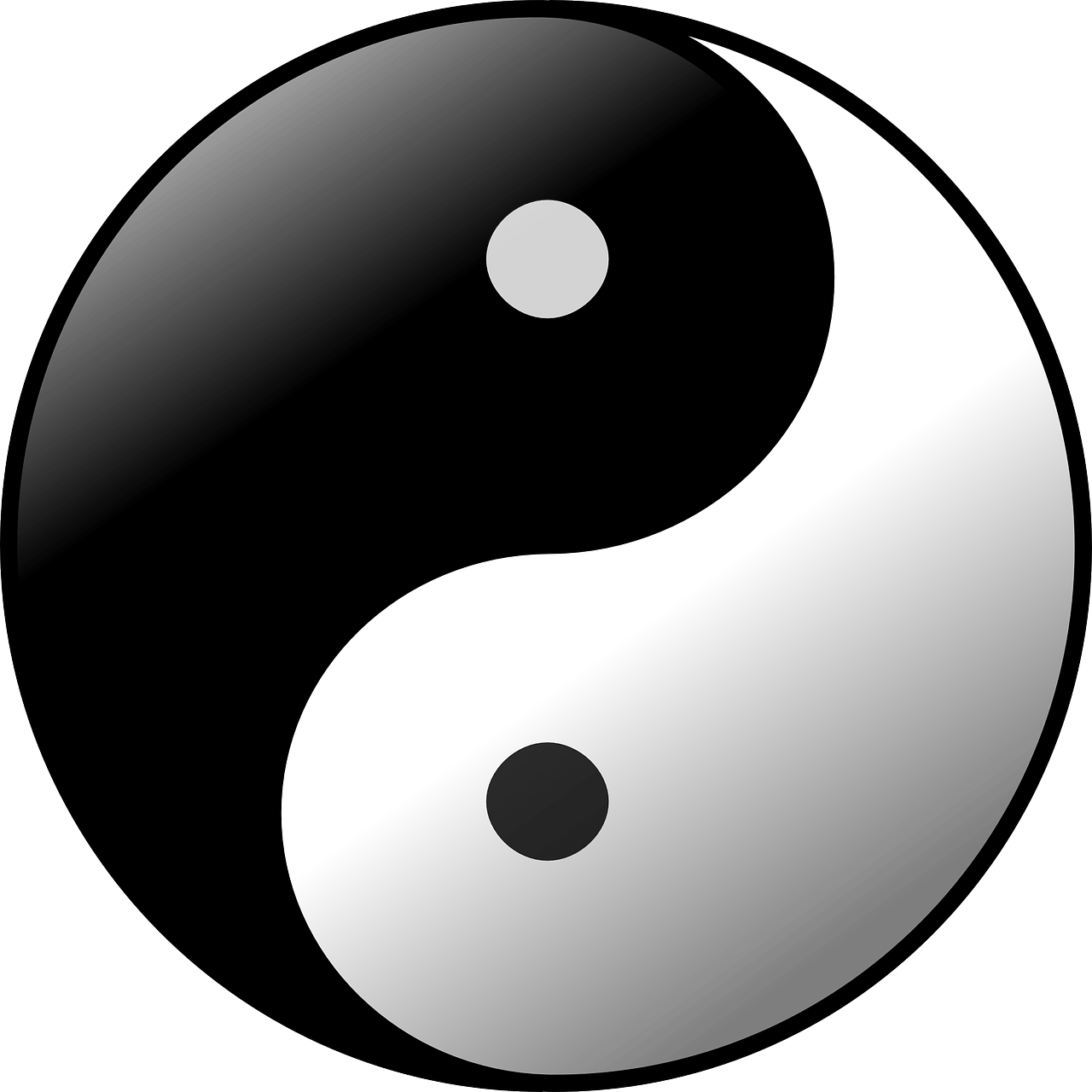
Life is never entirely good or bad. Embracing the duality of experiences allows wisdom to prevail and prevents extreme judgments. The Yin/Yang symbol beautifully encapsulates this truth.
There are various ways to diminish attachment and aversion. Cultivating equanimity involves not becoming overly elated by positive experiences or excessively despondent over negative ones. It’s about letting go of labels.
A simple step towards reducing attachment is parting with material possessions that hold undue importance. Challenging yourself to confront past aversions or realizing the impermanence of joy and suffering brought by external factors can shift your perspective.
Lastly, mindfulness meditation is a powerful tool for finding joy in stillness. Discovering the innate happiness of being present allows you to transcend conditional peace. The potential for inner peace and happiness lies within you, waiting to be awakened.
By releasing attachment and aversion and embracing the joy of the present moment, you unlock your enlightened nature. This entails letting go of projections about the sources of happiness and suffering, recognizing that your thoughts shape your reality. Finding the space between thoughts liberates you from attachment and aversion.
Try a meditation exercise now. After reading this, close your eyes and silently affirm:
I need nothing more or less to experience the simple joy of being right now
Then, focus on your breath, disregarding distractions, for a few moments.
Authored By Chad Foreman
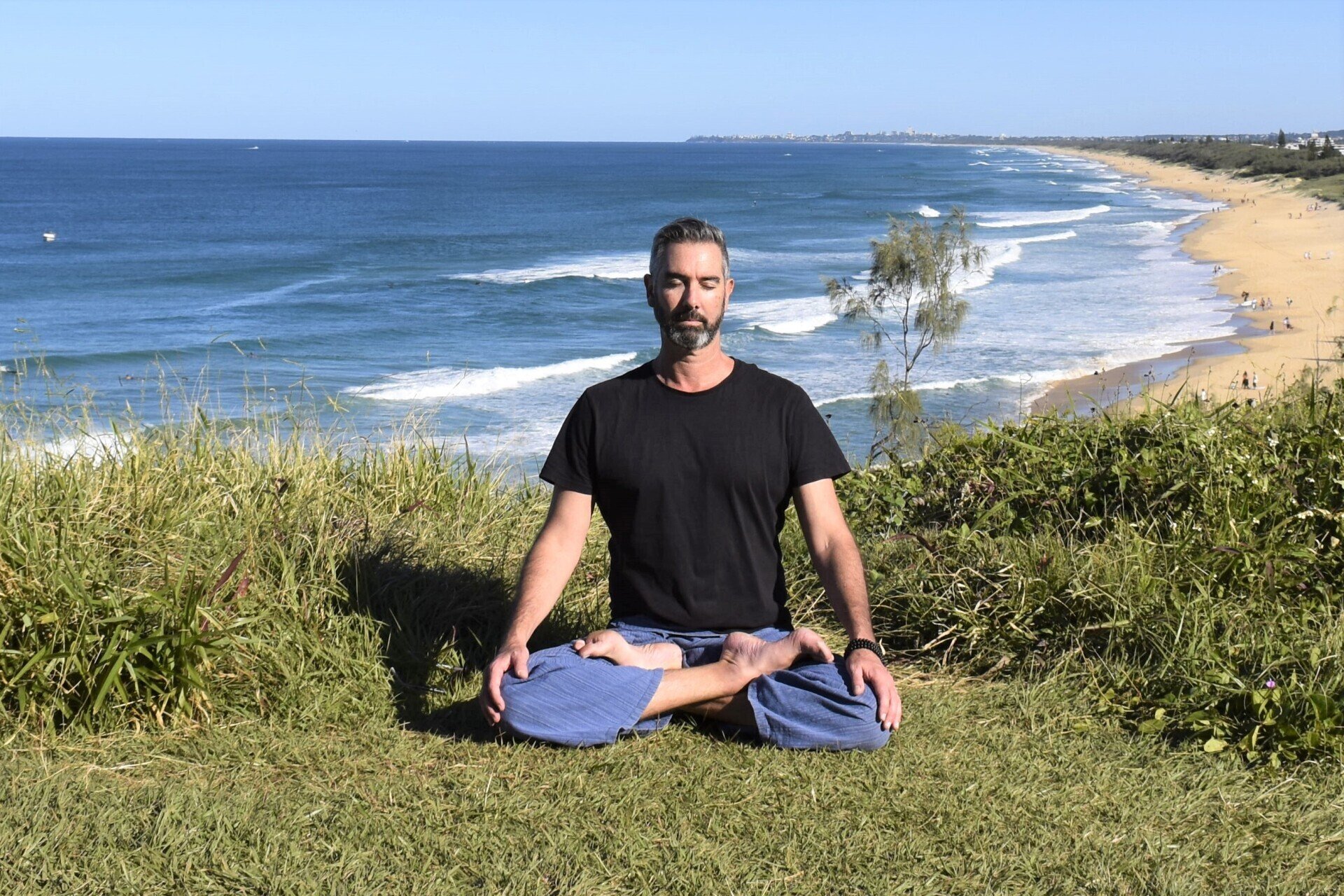
Chad Foreman, the founder of The Way of Meditation, has been dedicated to sharing authentic meditation practices since 2003. His mission is to make meditation accessible to millions in the modern world. A former Buddhist monk with six years of intensive meditation practice, Chad brings over two decades of teaching experience to his meditation sessions. He conducts regular
Meditation Retreats
on the Sunshine Coast of Australia, offers
Online Meditation Coaching
, and leads three online programs –
The 21 Day Meditation Challenge
to guide individuals from mindfulness basics to profound awareness levels, as well as
Breath-work
for stress management and deeper meditation, and
The Bliss of Inner Fire
which explores Buddhist tantric practices for energy purification and blissful experiences. You can also access Chad’s free e-book
Insights Along the Way
.
