
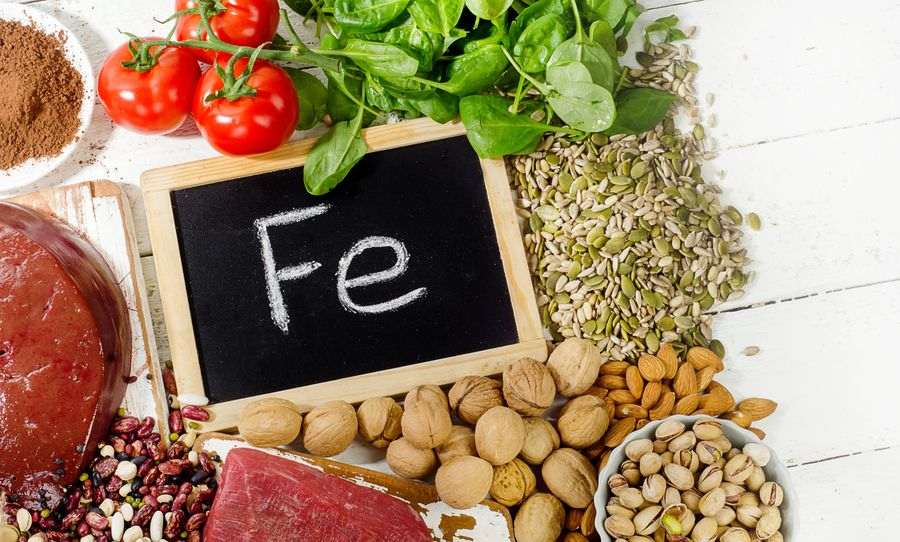
Iron plays a crucial role in the body as it is essential for producing red blood cells and transporting oxygen.
A lack of iron in your diet can lead to anaemia, dizziness, irritability, headaches, and fatigue. The daily recommended intake is around 18 mg, but this amount may vary depending on age and gender.
Men, for example, require 21 mg of iron daily, while women with menstruation should aim for 18 mg. Pregnant women have the highest requirement at 35 mg per day.
Your diet can provide two types of iron – heme and non-heme. Heme iron, found in poultry, fish, and meat, is more easily absorbed by the body, making it easier to increase iron levels.
Non-heme iron comes from plant-based foods like nuts, vegetables, and fruits. Although absorption of this type is less efficient, consuming foods rich in Vitamin C can enhance absorption.
8 Iron-Rich Foods to Add to Your Diet
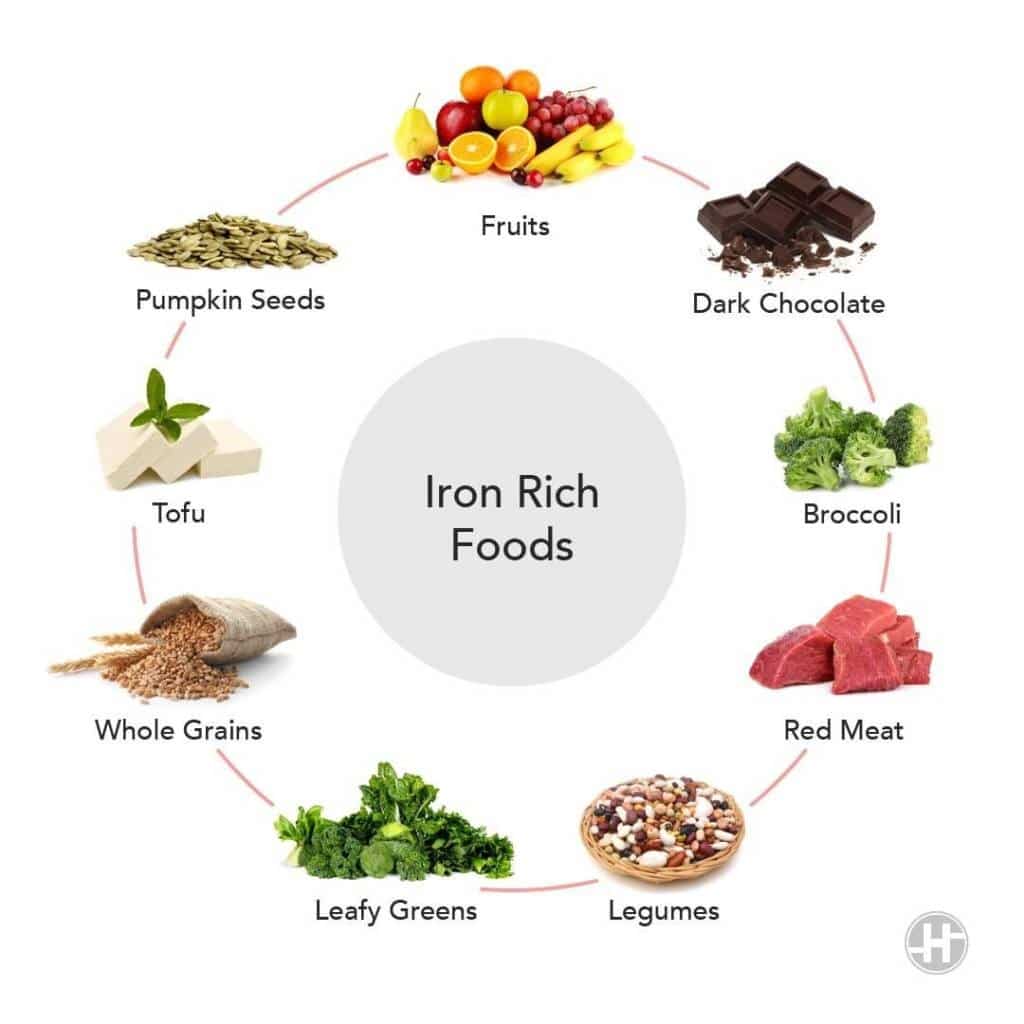
Boost your iron intake by incorporating iron-rich foods into your meals. Here are some foods that can help:
- Fruits
- Whole Grains
- Leafy Greens
- Legumes
- Red Meat
- Pumpkin Seeds
- Dark Chocolate
- Broccoli
1. Iron-Rich Fruits
Include fruits like mulberries and olives in your diet as they are rich in iron.
Olives provide 3.3 mg of iron per 100 grams, which is 18% of the daily requirement. They also offer vitamins E and A, healthy fats, fiber, and heart disease protection.
Mulberries contain 1.9 mg of iron per 100 grams, meeting a significant portion of daily needs. They are also high in vitamin C, providing 85% of the daily requirement.
These iron-rich fruits are packed with antioxidants that protect against cancer, diabetes, and heart disease.
Prune juice is another option known for aiding with constipation. A cup of prune juice provides 3 mg of iron, fulfilling 17% of daily needs. It is also rich in manganese, vitamin B6, fiber, vitamin C, and potassium.
2. Iron-Rich Whole Grains
Whole grains are not only nutritious but also a good source of iron. They offer various health benefits, including reduced risk of heart disease, diabetes, and obesity.
Cooked quinoa provides 2.8 mg of iron per cup, meeting 16% of daily needs. Quinoa is gluten-free and rich in minerals, complex carbohydrates, protein, vitamins, and fiber.
Oats contain 3.4 mg of iron per serving, which is 19% of the daily requirement. They also offer folate, magnesium, fiber, zinc, and protein.
Beta-glucan in oats, a soluble fiber, promotes satiety, improves gut health, and regulates blood sugar levels.
Opt for whole grains over processed grains to ensure you get all the essential nutrients.
3. Iron-Rich Leafy Greens
Incorporate beet greens, collard greens, swiss chard, kale, and spinach into your meals.
These leafy greens provide 2.5 to 6.4 mg of iron per serving, meeting 14% to 36% of daily requirements. Pair them with healthy fats like olive oil to enhance carotenoid absorption.
4. Iron-Rich Legumes
Lentils, when cooked, offer 6.6 mg of iron per serving, fulfilling 37% of daily needs. Legumes like soybeans, lentils, beans, peas, and chickpeas are excellent sources of iron.
Legumes are also rich in potassium, folate, and magnesium, and their high fiber content promotes satiety and aids in weight loss.
5. Iron-Rich Red Meat
Red meat is a great source of heme iron, reducing the risk of iron deficiencies.
If you are at risk of anaemia, consuming red meat regularly is essential. A serving of ground beef provides 2.7 mg of iron, meeting 15% of daily needs.
Red meat also contains vitamin B, selenium, protein, and zinc, offering a nutritious option. Studies show that women who consume meat after aerobic exercise absorb iron better than those taking supplements.
6. Iron-Rich Pumpkin Seeds
Pumpkin seeds are rich in vitamin K, zinc, manganese, and iron. A 28 g serving contains 4.2 mg of iron, fulfilling 23% of daily intake.
These seeds are also a good source of magnesium, which helps reduce the risk of insulin resistance and diabetes. Convenient for snacking, pumpkin seeds provide a healthy option throughout the day.
7. Iron-Rich Dark Chocolate
Dark chocolate offers about 19% of your daily iron requirement per serving. It also contains magnesium, copper, and prebiotic fiber, contributing to overall health.
Dark chocolate is rich in antioxidants that protect cells from free radicals. Look for varieties with over 60% cacao for maximum benefits.
Flavanols in dark chocolate provide numerous health benefits. Replace milk chocolate with dark chocolate to enjoy its mineral-rich and delicious properties.
8. Iron-Rich Broccoli
A 1-cup serving of cooked broccoli supplies 1 mg of iron, meeting 6% of daily needs. Broccoli is a nutritious vegetable rich in fiber, vitamin C, and vitamin K.
Cruciferous vegetables like broccoli, cauliflower, and Brussels sprouts contain plant compounds that may protect against cancer.
Health Benefits of Iron
Iron offers numerous health benefits that are often overlooked until a deficiency occurs. Consuming iron-rich foods can lead to various advantages, including:
- Stronger Immune System
- Improved Muscle Strength
- Enhanced Cognitive Function
- Healthier Pregnancy
- Optimal Athletic Performance
Stronger Immune System
Iron supports red blood cell production, which aids in cell and tissue repair, ultimately boosting the body’s immunity.
Having sufficient iron levels helps combat infections and diseases, highlighting the importance of meeting daily iron requirements.
Improved Muscle Strength
Muscle weakness is often linked to iron deficiency. Adequate iron intake ensures oxygen supply for muscle contraction.
A lack of iron can lead to muscle fatigue and inflammation, increasing discomfort. Increasing iron consumption can alleviate pain and improve muscle function.
Enhanced Cognitive Function
Iron plays a vital role in brain function as the brain utilizes about 20% of the body’s oxygen supply, which iron aids in transporting.
Proper blood flow to the brain enhances cognitive abilities and prevents cognitive disorders, emphasizing the significance of iron consumption for brain health.
Healthier Pregnancy
During pregnancy, the body requires higher iron levels to support fetal growth and development. Consuming iron-rich foods boosts red blood cell production and blood volume.
Pregnant women naturally increase iron absorption, but inadequate intake can lead to complications like low birth weight or premature birth. Ensuring adequate iron intake is crucial for maternal and fetal health.
Optimal Athletic Performance
Athletes, especially women, are prone to iron deficiency, impacting performance and increasing disease susceptibility.
Insufficient iron levels hinder oxygen transport to muscles, limiting physical exertion. Endurance athletes should prioritize iron-rich foods to enhance performance during strenuous activities.
Iron Deficiency
Iron deficiency can lead to lower red blood cell levels, resulting in reduced oxygen supply to tissues and muscles, potentially causing anaemia.
Iron deficiency anaemia is a common condition globally, often caused by poor diet, inflammatory bowel disease, increased demands during pregnancy, or excessive bleeding.
Symptoms of iron deficiency include:
- Unexplained headaches
- Dizziness or lightheadedness
- Shortness of breath
- Dry, damaged skin or hair
- Paleness
- Heart palpitations
- Restless legs
- Mouth and tongue soreness or swelling
Summary
Incorporating iron-rich foods into your diet is crucial for optimal iron intake and overall health. Failing to meet iron requirements can lead to anaemia, resulting in reduced oxygen supply to tissues and muscles.
In conclusion, prioritize the consumption of iron-rich foods outlined above to enjoy the many health benefits of iron.