

Many of us will inevitably face heartbreak at some point in our lives, whether it’s due to a relationship ending or the loss of a loved one. This can lead to a whirlwind of emotions within us.
This article delves into how meditation can serve as a powerful tool to counteract the negative impacts of heartbreak and release the pent-up energy stemming from the loss of a relationship.
It’s essential to understand that the body doesn’t differentiate between the various external stressors that cause it distress. Whether it’s a breakup or the death of a loved one, all of it falls under the umbrella of stressful emotions for the body.
Heartbreak can induce significant stress, particularly if you had deep feelings for someone. This stress can impact us emotionally and physically, sometimes taking a considerable amount of time to recover from.
The Effects of Heartache on the Body
When we invest ourselves in someone, a relationship forms. In romantic relationships, there’s a unique chemistry in the body that enables us to experience love and pleasure. The body becomes accustomed to the chemical reactions of hormones released during interactions and intimacy with our partners.
#Food for Thought
The longing we feel for our partner might actually be the anticipation of a chemical response in our bodies that we miss.
Following a breakup, our bodies undergo a significant withdrawal as the primary “stimulus,” our partner, is no longer present to trigger the chemical reactions that brought feelings of joy, happiness, and euphoria. Additionally, thoughts about losing the “feeling of love” can stir up even more stressful emotions.
The mind tends to anticipate worst-case scenarios, instilling fear and anxiety in the body. Our minds narrate a story based on the “loss” of the relationship, typically fear-driven, leading to unsettled emotions.
Research indicates that the brain processes the emotional pain of heartbreak similarly to physical pain, explaining why heartbreak can manifest as genuine physical discomfort. The language we use to describe heartbreak – “my heart feels shattered,” “it’s gut-wrenching,” “like a punch in the gut” – reflects the link we draw between physical and emotional pain.
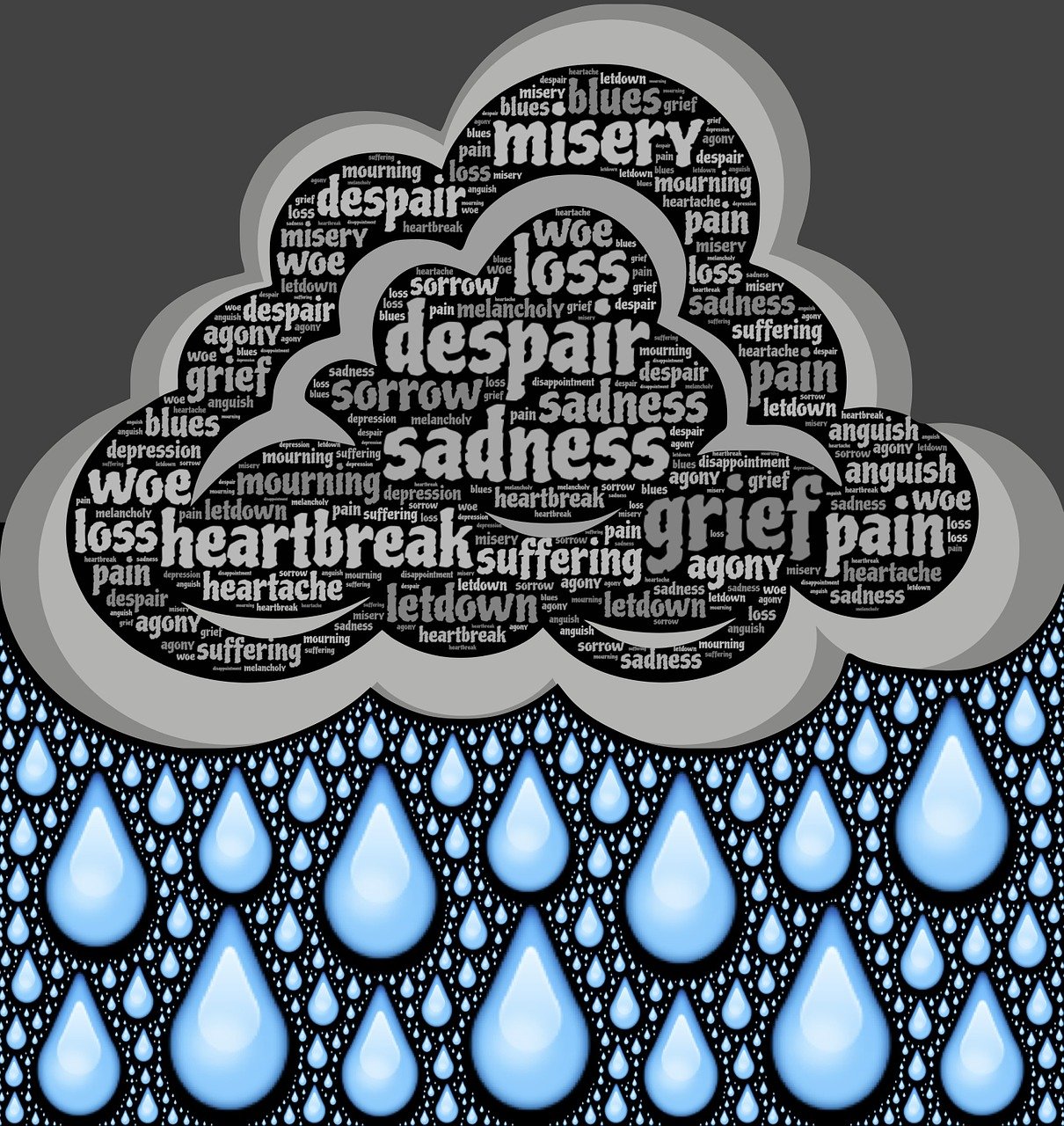
There exists a medical condition known as broken heart syndrome, which can be mistaken for a heart attack due to the similarities in symptoms and test results. Tests reveal significant changes in heart rhythm and blood substances, typical of a heart attack. However, unlike a heart attack, broken heart syndrome doesn’t involve blocked heart arteries.
In broken heart syndrome, a part of the heart temporarily enlarges and functions poorly, while the rest of the heart operates normally or with heightened contractions. Researchers are beginning to uncover the causes, diagnosis, and treatment methods for this condition.
#Interesting Insight
The chemical reactions triggered by love can be addictive, akin to drugs.
#Scientific Breakdown
Dopamine and oxytocin, in particular, are hormones that induce feelings of pleasure and the desire to repeat certain behaviors, released at heightened levels during love.
Following heartbreak, these “feel good” hormone levels plummet, replaced by stress hormones like cortisol, fostering fear-based emotions. The fear of solitude often underlies the intense anxiety experienced.
Harnessing the Power of Meditation
By sitting quietly and being mindful of our thoughts and emotions without attaching ourselves to them, we allow the body to naturally heal and release pent-up energy.
How Does It Work?
Constantly focusing on the stressful emotions stemming from heartache generates scattered energy in the body, directing it to the brain to maintain neural connections associated with pain and suffering (heartache).
The more we identify with the emotions linked to heartache, the more our bodies become accustomed to such biochemistry, leading to a craving for these feelings. Put simply, our cells become addicted to this chemical state.
Through meditation, we learn to sit quietly and disengage from these emotional states, preventing energy from fueling emotional pain and stress. Instead, we open ourselves up, allowing emotions to flow through us like energy currents.
“Where Your Focus Goes, Energy Flows”
Your focus amplifies emotional states in the body, strengthening connections in the brain linked to these states. This sets off a cycle of thoughts and emotions, resulting in a state of unease. The more we dwell in this state, the more accustomed we become to feeling this way.
It’s crucial to break this cycle.
The Healing Power of Meditation
Meditation serves as a potent tool to hit the “pause” button, disrupting this neural feedback loop. By interrupting this loop, the connection weakens.
Sit quietly, tune into your feelings, and breathe, without fixating on thoughts or emotions.
This heightened awareness allows the body to release unwanted energy. With no fuel to sustain negative thoughts and emotions, you can break free from the cycle of heartache.
Practice this technique to expedite your recovery, rather than unwittingly prolonging feelings of suffering and heartache.
Through mindfulness and meditation, you can consciously direct your focus, avoiding wasting energy on emotional states that hinder your growth.
Once you’ve successfully overcome your emotional and physical attachment to your past partner, your mind and heart clear up, allowing you to focus on experiences that bring joy and contentment.
Be Still, Feel, and Breathe…
Dive deeper into these recovery techniques by exploring my FREE online course on breaking free from past relationships and reclaiming your power.
Authored By Oska Phoenix
