
These nine attitudes that can enhance your mindfulness practice are derived from Jon Kabat-Zinn, a prominent figure in modern mindfulness. Kabat-Zinn has played a significant role in integrating mindfulness into the realms of medicine and healing, leading to the widespread popularity, research, and adoption of mindfulness practices. One of his notable contributions is the development of Mindfulness-Based Stress Reduction (MBSR), which has paved the way for a new wave of psychotherapy and mindfulness-based health interventions.
Mindfulness Based Stress Reduction
has been linked to numerous scientifically proven health benefits, encompassing improvements in physical, mental, and emotional well-being. It serves as a holistic approach to therapy that is essential for overall sanity and intelligence.
Kabat-Zinn’s definition of mindfulness, which emphasizes non-judgmental awareness of the present moment, has become widely accepted among health professionals and mindfulness instructors.
Kabat-Zinn highlights the challenge of practicing true mindfulness, as it involves maintaining moment-to-moment awareness without judgment. To support individuals in deepening their mindfulness practice, he outlines nine key attitudes that are interconnected and essential for a profound understanding and experience of mindfulness.
The following is a personal reflection on Kabat-Zinn’s nine attitudes of mindfulness, along with a video of his explanation of these attitudes.
Beginner’s Mind
Coined by Zen Master Shunryu Suzuki, the concept of Beginner’s Mind underscores the importance of approaching the present moment with fresh, open eyes. By letting go of preconceived notions and labels, individuals can engage fully with the moment, fostering creativity and intelligence.
Non-Judging
Central to mindfulness, non-judging allows for clear, unbiased awareness. By refraining from judgment, individuals can perceive situations beyond their conditioned responses, cultivating an enlightened form of awareness that embraces diverse perspectives and opinions.
Often, our minds habitually judge everything as either likeable or dislikeable, which stems from a pursuit of happiness in external sources. Deepening the understanding that true happiness arises from clear awareness and compassion can reduce the impulse to constantly judge and chase pleasurable experiences.

Acceptance
Acknowledging things as they are, acceptance involves an active recognition of reality without resistance. It does not imply complacency but rather starting transformation from a foundation of clear awareness.
Letting Go
Letting go releases the attachment to desired outcomes, fostering freedom from self-imposed limitations. By relinquishing the need for things to be different, individuals can trust in the natural flow of life.
Trust
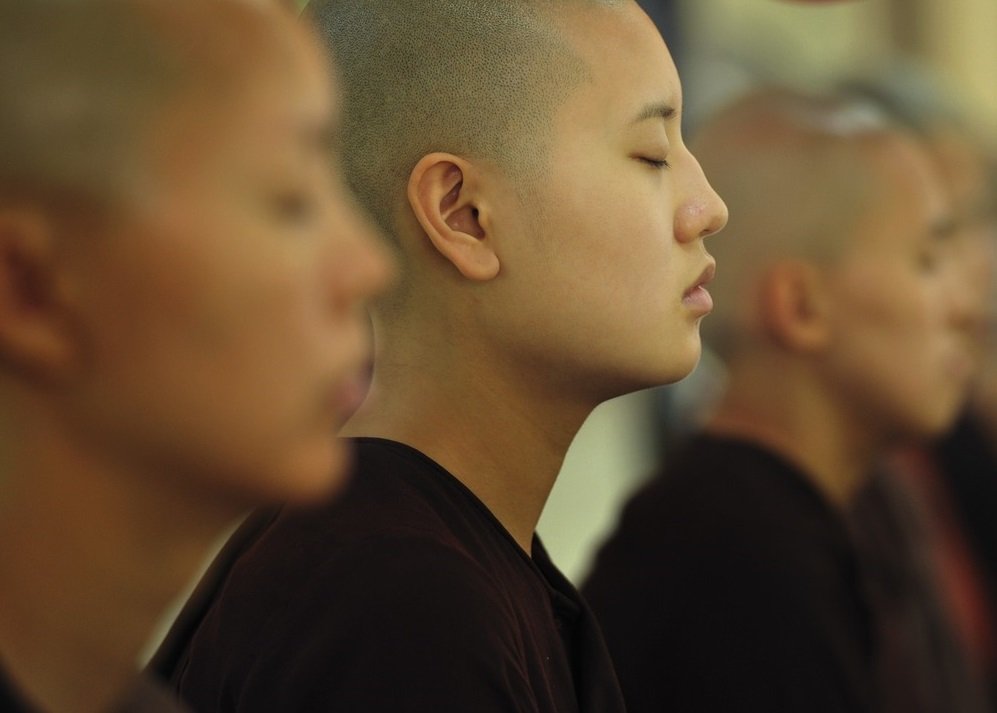
Trust involves both being trustworthy and having faith in the unpredictability of life. By honing our ability to listen to internal cues and trusting external processes, we can cultivate confidence in ourselves and the world around us.
Patience
Patience serves as a shield against the rush of modern life, allowing individuals to savor the present moment. By embracing patience, one can navigate challenges with composure and appreciate life’s small joys.
Non-Striving
Non-striving emphasizes the art of simply being, devoid of manipulation or force. By surrendering to the present moment without an agenda, individuals can flow effortlessly with life’s unfolding.
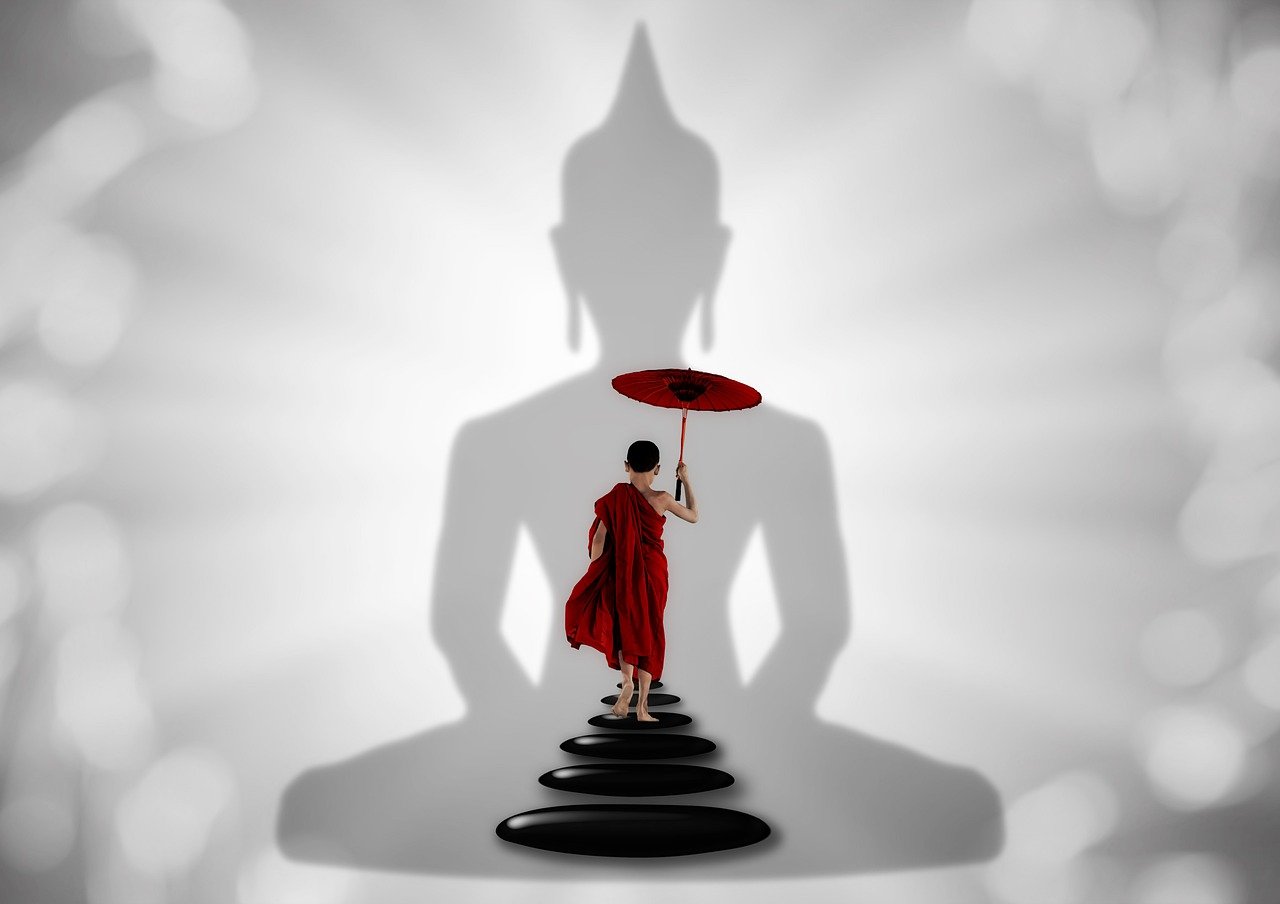
Non-striving underscores that true happiness stems from inner awareness rather than external achievements. It aligns with peace, freedom, and contentment in embracing the present moment.
Gratitude
Gratitude serves as a powerful antidote to negativity, fostering a sense of appreciation and joy in each moment. By cultivating gratitude, individuals can shift their focus to the positive aspects of life, even amidst challenges.
Generosity
Generosity extends beyond material giving to offering one’s presence and kindness. Embodying generosity promotes a warm-hearted and attentive presence, enriching relationships and fostering a sense of interconnectedness.
Written by Chad Foreman

Chad Foreman, the founder of The Way of Meditation, has been teaching meditation since 2003 with a mission to introduce authentic meditation practices to a global audience. With a background as a former Buddhist monk, Chad offers Private Online Meditation Coaching and a comprehensive course, The 21 Day Meditation Challenge, to guide individuals from mindfulness basics to profound awareness.
