

Reviewed by Helen Kollias, PhD and Brian St. Pierre, MS, RD
At some point in my mid-40s, the scale started climbing.
A pound or two turned into five, then 10, then 20.
It seemed as if I was doing all the right things: Eating less, moving more, rinse, repeat. Yet, the harder I worked, the less the scale seemed to respond.
Had perimenopause destroyed my metabolism?
It sure felt like it.
However, after asking my doctor to run a series of tests, I learned that my metabolism was, in fact, fine. Instead, like the vast majority of midlife women, the true causes of my weight gain stemmed from several subtle issues that I would have sworn, at the time, didn’t apply to me.
If, like me, you or your client are currently stuck in what feels like an eat less, gain more cycle, this article is here to help.
In this story, you’ll discover:
- Several reasons women gain weight at midlife that have nothing to do with a “slower metabolism”
- Why intense exercise and strict diets can backfire after menopause
- 11 crafty ways to get a handle on midlife weight gain
First, what is menopause?
Many women refer to midlife hot flashes and inconsistent menstruation as “being in menopause” or “menopausal.”
However, menopause isn’t a phase as much as a transitional moment that separates menstruation from non-menstruation.
Once you’ve gone 12 consecutive months without a period, you’ve reached menopause. For most people, that moment arrives somewhere between ages 46 and 56.
The hot-and-dewy months and years leading up to that 12th missed period are technically known as “perimenopause.”
Perimenopause means “around menopause.”
Some people refer to this time as the menopause transition. This is when estrogen levels fluctuate. Menstrual cycles lengthen and shorten and, at times, disappear, only to return a few months later. For many people, this marks the beginning of symptoms like hot flashes, sleep issues, vaginal dryness, mood changes, and, yes, creeping weight gain.
(For a thorough overview of the many changes that can happen during this time, read: ‘What’s happening to my body!?’ 6 lifestyle strategies to try after menopause)
How much weight do women gain during menopause?
Many women think of menopause and weight gain the same way many young parents think of two-year-olds and tantrums: Inevitable.
However, not all women gain weight during the menopause transition, explains Helen Kollias, PhD, who is an expert on physiology and molecular biology, and a science advisor at Precision Nutrition and Girls Gone Strong.
On average, in the West, women gain four to six pounds during the three-and-a-half years of perimenopause, or about one to two pounds a year.1 2
That’s double the rate of weight gain in pre-menopausal women, though it’s roughly the same amount men gain at midlife, notes Dr. Kollias.
In other words, the menopause transition may not be solely to blame for those extra pounds on the scale. Aging may play a significant role, as we explore below.
The real reasons the scale climbs
Several factors conspire to add pounds to your frame during the menopause transition.
✅ You’re not sleeping as well.
Maybe this sounds familiar: You wake repeatedly with sweat pooling under your breasts and sheets that are uncomfortably damp (or soaked).
Even if you don’t have night sweats, plenty of other issues might keep you awake.
First, there’s worry—over aging parents, teenagers with car keys, money needed to replace that leaking roof, some strange bodily sensation you’re worried might be cancer, the colonoscopy or mammogram you don’t want to schedule but also don’t not want to schedule, the sex you’re not having, and so many others.
Plus, if you’re like me and you have osteoarthritis in multiple joints, your body hurts. Or your skin might itch. Or your legs are restless. Or you’re bloated.3 4 5 6
My point: Problems that make sleep uncomfortable can multiply with age.
Because of this, I’ll sometimes wake four or more times a night, as the red sections of this readout from my smartwatch show.
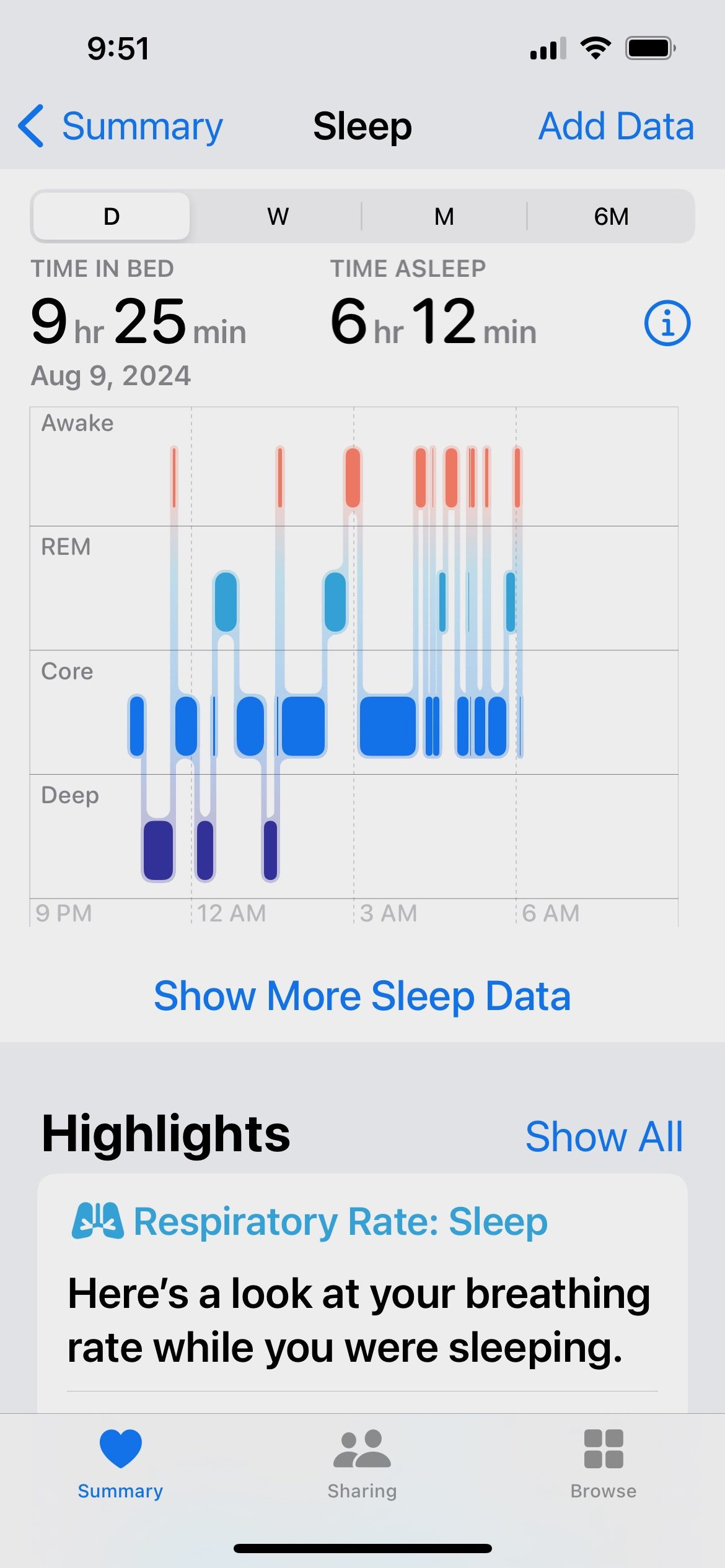
These bad nights often set up a vicious cycle:
The following day, I feel as if I’m two inhales away from death. So, I keep myself going with caffeine, which makes the next night just as bad or worse.
Lack of sleep indirectly adds pounds to your frame in several ways:
- When you’re sleep-deprived, it’s harder to cope with negative emotions, which may mean you turn to food for solace.
- In addition, your decision-making gets compromised, so it’s harder to choose an apple when a chocolate chip cookie is also available.
- Plus, sleep deprivation intensify both appetite and cravings (which we’ll discuss more in the next section)
(Want to get a handle on some of the sleep challenges unique to this transition? Check out: How menopause affects sleep, and what you can do about it)
✅ You’re hungry, and not for celery.
True story: When I was in my early 30s, someone once told me about her intense cravings, and I thought, “Cravings? What are those exactly?”
(Don’t hate me.)
Those days now feel foreign to me. Post-menopause, I spend most of my morning wondering how soon I can eat lunch, what I might have for lunch, whether it’s okay to have a snack now, and, if so, what it should be.
After lunch, I go on to spend the afternoon thinking about dinner.
It’s as if my appetite never flips off.
For the longest time, I thought something was wrong with my brain or metabolism.
It didn’t occur to me that the increased hunger, appetite, and cravings likely stemmed from my repeated awakenings each night.
Until I checked out the research.
In one study, people who were sleep-deprived reported higher levels of hunger and a stronger desire to eat.
1. When given access to snacks, individuals consumed twice as much fat compared to days when they were not sleep-deprived.
2. In a study, healthy, young participants who slept only four hours a night consumed 350 more calories the following day. We have categorized them into three groups: sleep, hunger, and energy.
(And if those 11 options are not sufficient, we have additional ideas here: Three diet experiments that can transform your eating habits)
Experiments for better sleep
Below, we have listed a few of the many sleep adjustments you can experiment with. For more ideas on potential sleep experiments, you can refer to our 14-day sleep plan and our story on cognitive behavior therapy for insomnia.
Experiment #1: Reset your body’s circadian clock
As you get older, your body starts to act like an old clock that is continually running slow.
Even if you were once a morning person, you may now wake up feeling groggy, as if your body doesn’t recognize it’s morning. Your body might signal bedtime at odd hours, like mid-afternoon. After struggling to stay awake during work meetings, you may find yourself wide awake in bed when it’s time to sleep.
Therefore, experimenting with zeitgebers, which are environmental and behavioral cues that help regulate your body’s internal clock, can be beneficial.
These experiments could include:
- Getting up at the same time every day, regardless of your previous night’s sleep quality.
- Spending 10-20 minutes in sunlight soon after waking up.
- Taking a cold shower in the morning or a hot shower in the evening at consistent times.
- Going outside frequently during the day, especially when feeling sleepy.
- Exercising at the same time each day, preferably in the morning or 4 to 6 hours before bedtime, with extra points for outdoor activities.
- Eating meals, especially breakfast, at the same time daily.
Experiment #2: Eliminate discomfort from your sleep routine
The approach for this experiment depends on the cause of discomfort. Here are some possibilities:
- If you wake up feeling too hot: Experiment with cooling methods, from adjusting the thermostat to using a fan or cooling mattress pads.
- If you wake up feeling bloated: Try remedies like prunes, beans, fiber, or reducing fatty foods in the evening.
- If you experience leg discomfort at night: Consult a doctor for conditions like restless legs syndrome or other issues like itchy skin or joint pain.
Experiment #3: Time caffeine consumption strategically
While it may seem controversial, investigating your caffeine intake, particularly in the afternoon or evening, can be beneficial.
It takes about five hours for half of the caffeine to leave your system. Some people metabolize caffeine slower than others, and this process may slow down with age.
To test if caffeine affects your sleep, you can:
- Gradually reduce caffeine consumption by 30 to 60 minutes each day.
- Switch to lower-caffeine alternatives like decaf coffee or green tea.
(For more solutions to common sleep problems, check out: The top five reasons for sleep disturbances)
Experiments for controlling hunger
The strategies below may not be new to you, but they are fundamental for good nutrition and overall health.
Before dismissing them as old news, consider how consistently you are implementing them.
Experiment #1: Increase protein intake
Adding more protein to your meals can help curb hunger as it takes longer to digest than carbohydrates or fats.
Try incorporating lean protein into every meal and choosing protein-rich snacks over sugary or fatty options.
Experiment #2: Opt for high-fiber carbohydrates
Fiber-rich foods can help you feel full with fewer calories. Experiment with high-fiber options like beans, nuts, fruits, and vegetables to see how they affect your appetite.
Another experiment is to include fruits and vegetables with every meal you eat. Track your hunger sensations to see if they have an impact.
Experiment #3: Monitor between-meal indulgences
You may be consuming more snacks and drinks than you realize.
These foods don’t have to be completely off-limits; just be mindful of how much you’re consuming.
Keep a log of alcohol, sweets, and treats that you consume between planned meals and snacks for a few weeks.
Review your daily notes to see if these impulsive eating episodes align with your memory of what and how much you ate.
Experiment #4: Move after eating
Increased inflammation and decreased muscle mass can lead to insulin resistance as you age.
Walking for just two minutes after meals can help your body process the carbohydrates you consumed, improving blood sugar levels, according to research.
By moving after meals, you also create a habit that can help shift your focus away from eating and towards ending kitchen activities.
Craving Carbohydrates: The Relationship Between Food Cravings and Disordered Eating in Low-Carb Dieters and Their Link to Intermittent Fasting. Published in Eating and Weight Disorders: EWD, Volume 27, Issue 8, Pages 3109–17.
Rideout CA, et al. High Cognitive Dietary Restraint Linked to Increased Cortisol Excretion in Postmenopausal Women. Published in The Journals of Gerontology, June 2006, Volume 61, Issue 6, Pages 628-633.
Kiefer, Amy, Jue Lin, Elizabeth Blackburn, and Elissa Epel. Dietary Restraint and Telomere Length in Pre- and Postmenopausal Women. Published in Psychosomatic Medicine, Volume 70, Issue 8, Pages 845–49.
Li DCW, Rudloff S, Langer HT, Norman K, Herpich C. Age-Associated Variations in Recovery from Exercise-Induced Muscle Damage. Published in Cells, January 30, 2024, Volume 13, Issue 3.
Alfaro-Magallanes VM, Benito PJ, Rael B, Barba-Moreno L, Romero-Parra N, Cupeiro R, et al. Menopause Delays the Typical Recovery of Pre-Exercise Hepcidin Levels after High-Intensity Interval Running Exercise in Endurance-Trained Women. Published in Nutrients, December 17, 2020, Volume 12, Issue 12.
Harvey PJ, O’Donnell E, Picton P, Morris BL, Notarius CF, Floras JS. After-Exercise Heart Rate Variability is Reduced in Postmenopausal Women and Unaffected by Estrogen Therapy. Published in Menopause, April 2016, Volume 23, Issue 4, Pages 390–5.
Espeland, M. A., M. L. Stefanick, D. Kritz-Silverstein, S. E. Fineberg, M. A. Waclawiw, M. K. James, and G. A. Greendale. Effect of Postmenopausal Hormone Therapy on Body Weight and Waist and Hip Measurements. Published in The Journal of Clinical Endocrinology and Metabolism, May 1997, Volume 82, Issue 5, Pages 1549–56.
Institute of Medicine (US) Committee on Military Nutrition Research. Pharmacology of Caffeine. Published by National Academies Press (US) in 2001.
Nehlig A. Interindividual Differences in Caffeine Metabolism and Factors Influencing Caffeine Consumption. Published in Pharmacological Reviews in April 2018, Volume 70, Issue 2, Pages 384–411.
Shou J, Chen PJ, Xiao WH. Mechanism of Increased Risk of Insulin Resistance in Aging Skeletal Muscle. Published in Diabetology and Metabolic Syndrome in February 2020, Volume 12, Page 14.
Nygaard H, Tomten SE, Høstmark AT. Slow Post-Meal Walking Reduces Postprandial Blood Sugar Levels in Middle-Aged Women. Published in Applied Physiology, Nutrition, and Metabolism in December 2009, Volume 34, Issue 6, Pages 1087–92.
Bellini A, Nicolò A, Bazzucchi I, Sacchetti M. The Effects of Post-Meal Walking on Glucose Response after Meals with Different Characteristics. Published in Nutrients on March 4, 2022, Volume 14, Issue 5.
Dupuy O, Douzi W, Theurot D, Bosquet L, Dugué B. Evidence-Based Approach for Choosing Post-Exercise Recovery Techniques to Reduce Markers of Muscle Damage, Soreness, Fatigue, and Inflammation: A Systematic Review With Meta-Analysis. Published in Frontiers in Physiology on April 26, 2018, Volume 9, Page 403.
Doma K, Ramachandran AK, Boullosa D, Connor J. The Paradoxical Effect of Creatine Monohydrate on Muscle Damage Markers: A Systematic Review and Meta-Analysis. Published in Sports Medicine on July 2022, Volume 52, Issue 7, Pages 1623–45.
Gordji-Nejad A, Matusch A, Kleedörfer S, Jayeshkumar Patel H, Drzezga A, Elmenhorst D, et al. Single Dose of Creatine Improves Cognitive Performance and Induces Changes in Cerebral High-Energy Phosphates during Sleep Deprivation. Published in Scientific Reports on February 28, 2024, Volume 14, Issue 1, Page 4937.
Smith-Ryan AE, Cabre HE, Eckerson JM, Candow DG. Creatine Supplementation in Women’s Health: A Lifespan Perspective. Published in Nutrients on March 8, 2021, Volume 13, Issue 3.
Rae, Caroline, Alison L. Digney, Sally R. McEwan, and Timothy C. Bates. Oral Creatine Monohydrate Supplementation Enhances Brain Performance: A Double-Blind, Placebo-Controlled, Cross-over Trial. Published in Proceedings. Biological Sciences / The Royal Society, Volume 270, Issue 1529, Pages 2147–50.
If you’re passionate about helping others achieve lasting health through nutrition and lifestyle changes, consider becoming a certified nutrition coach. The PN Level 1 Nutrition Coaching Certification offers comprehensive training to guide individuals towards better physical and mental well-being while building a fulfilling career in the field. Enroll now at a discounted rate to start making a positive impact on people’s lives. Please rewrite the following sentence.