
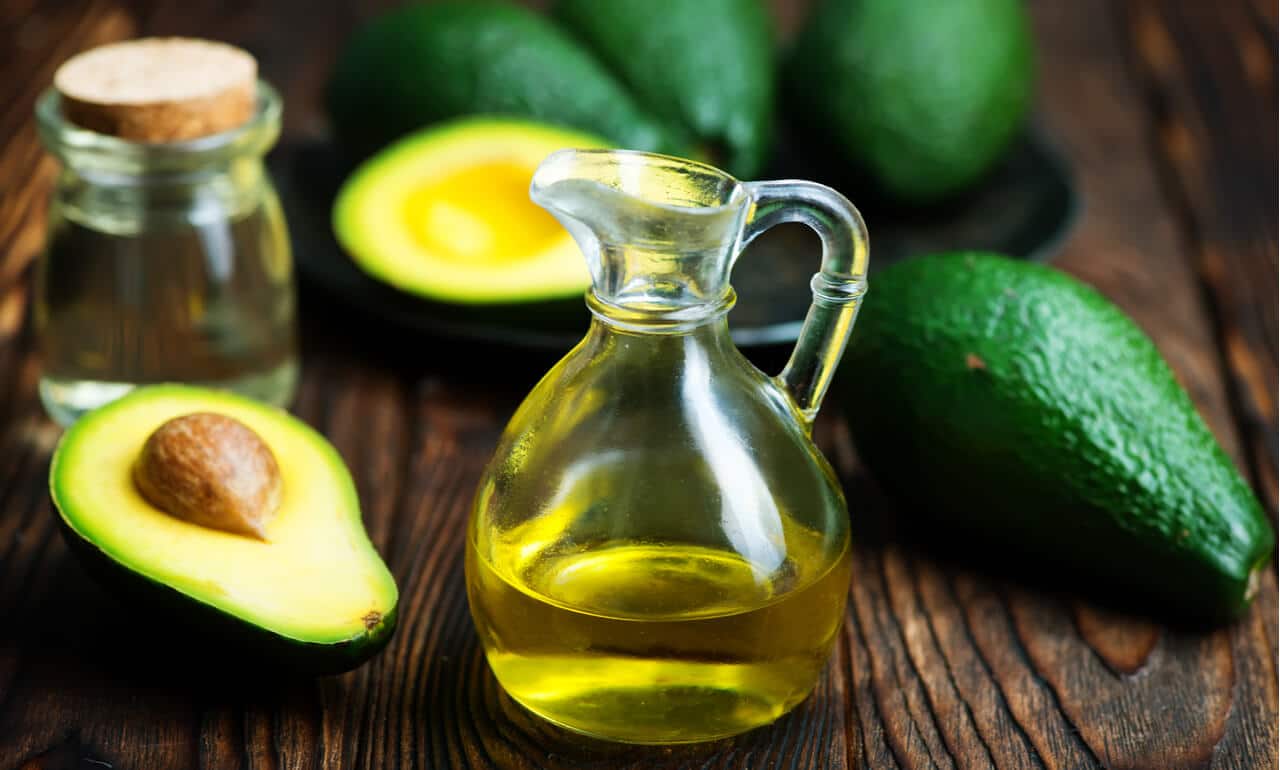
Avocado oil is widely recognized for its nourishing properties, primarily used in various cosmetic products. Extracted from the avocado fruit pulp, the process involves separating the pulp from the fruit and cold-pressing to obtain the oil. The Hass and Persea Americana varieties are commonly used for avocado oil extraction. Unlike most plant-based oils extracted from seeds, avocado oil is unique as it comes from the fruit itself, containing essential nutrients and minerals beneficial for health.
Rich in heart-healthy fats, avocado oil is a good option for maintaining cardiovascular health, similar to olive oil. It is also suitable for individuals with diabetes due to its zero glycemic index and carbohydrate content. Additionally, avocado oil is a source of vitamins E and A, supporting internal system nourishment.
Avocado oil offers various health benefits, such as lowering cholesterol and blood pressure, aiding in detoxification, treating skin issues, enhancing nutrient absorption, and potentially preventing cancer. It also nourishes the hair, controls inflammation, and supports skin barrier repair with its vitamin A and E content.
Types of Avocado Oil
Avocado oil is typically extracted using the cold-press method, where the fruit pulp is pressed and spun to separate the oil from water and solids. The two main types of avocado oil are virgin and refined. Virgin oil, often referred to as “extra-virgin,” is the purest form obtained from the first pressing of the pulp. Refined oil undergoes further filtration to remove impurities and particles, resulting in a yellowish-green hue and loss of the original green color and flavor.
Avocado oil has a high smoke point, with extra-virgin oil at 480°F and refined oil at 520°F. The primary use of avocado oil is as a dressing for salads and food, although its limited availability and higher cost compared to other vegetable oils may deter its use for cooking.
Nutritional Value of Avocado Oil
Per 100g, avocado oil provides:
- Calories: 884kCal
- Fat: 100g
- Protein: 0g
- Carbohydrate: 0g
- Saturated Fatty Acids: 11.6g
- Monounsaturated Fatty Acids: 70.6g
- Polyunsaturated Fatty Acids: 13.5g
Health Benefits of Avocado Oil
Avocado oil is rich in fatty acids beneficial for heart health, with zero carbohydrates and a low glycemic index. It aids in lowering LDL cholesterol, raising HDL cholesterol, and improving heart health by reducing the risk of coronary diseases. The oil’s anti-inflammatory properties help prevent arterial damage from plaque buildup, while vitamin E supports blood vessel health by eliminating free radicals.
For skin health, avocado oil’s antioxidants, proteins, and omega fatty acids strengthen the skin barrier, accelerate skin healing, and protect against UV damage. Studies suggest its effectiveness in treating conditions like psoriasis, scars, and wrinkles, promoting collagen production and skin nourishment.
Avocado oil also benefits hair growth, scalp nourishment, and damage prevention. Its vitamin and antioxidant content stimulates hair growth, prevents breakage, and provides moisture to the scalp, controlling oil production.
In weight management, avocado oil’s monounsaturated fats and oleic acid aid in reducing belly fat and metabolic syndrome risk, supporting nutrient absorption and metabolism for weight loss.
Ways to Use Avocado Oil
Avocado oil offers versatile uses, including skincare applications, hair treatments, and culinary uses. It can be used in massages, homemade moisturizers, or as a cooking oil for roasting, dressing salads, or marinating meats and vegetables.
Possible Side Effects of Avocado Oil
- Excessive consumption of avocado oil may lead to allergic reactions, itching, redness, and eczema in sensitive individuals. Moderation is advised, especially for those allergic to vegetable oils.
- Hypersensitivity to avocado oil can cause allergic reactions like vomiting.
- Infants may experience digestion disturbances if breastfeeding mothers consume excessive avocado oil.
- High avocado intake may result in mouth allergies, stomach upset, and gastrointestinal irritation.
- Mexican avocado varieties with estragole and anethole may pose carcinogenic risks, particularly for individuals with liver issues.
Possible Alternatives to Avocado Oil
While avocado oil offers health benefits, individuals seeking alternatives due to cost or availability can consider oils like olive oil or coconut oil. Both oils share similar nutritional profiles, rich in unsaturated fats and antioxidants, with slight differences in smoke points and vitamin content.
Conclusion
Avocado oil is a valuable addition to a healthy lifestyle, providing essential nutrients, promoting heart health, skin nourishment, hair growth, and weight management. While offering numerous benefits, caution is advised for potential side effects, especially for individuals with allergies or specific health conditions.
Frequently Asked Questions (FAQs)
1. Is avocado oil good for your face?
Avocado oil is beneficial for the face, providing nourishment, protection, and healing properties for the skin. Its antioxidants and nutrients support anti-aging, wrinkle prevention, and skin moisturization.
2. Is avocado oil healthier than olive oil?
Both avocado oil and olive oil offer similar health benefits, with avocado oil having a higher smoke point. Choosing between the two depends on individual preferences and cooking requirements.
3. Does avocado oil have side effects?
Avocado oil may cause allergic reactions, digestive issues, and mouth allergies in some individuals, emphasizing the importance of moderation and awareness of personal sensitivities.
4. Does avocado oil help you lose weight?
Avocado oil can support weight loss through its monounsaturated fats, oleic acid content, and metabolism-boosting properties, aiding in reducing belly fat and improving nutrient absorption.
5. Does avocado oil grow hair?
Avocado oil’s vitamins, antioxidants, and nutrients contribute to hair growth stimulation, scalp nourishment, and hair damage prevention, promoting healthy and vibrant hair.
6. Is avocado oil anti-aging?
Avocado oil’s anti-aging properties stem from its vitamin E content, collagen-boosting effects, and skin nourishment capabilities, supporting skin health and wrinkle reduction.
7. When should I use avocado oil?
Avocado oil is versatile, suitable for cooking, skincare, hair treatments, and salad dressings, offering multiple benefits for overall health and well-being.
8. Is avocado oil better than coconut oil?
Avocado oil and coconut oil each have unique benefits, with avocado oil rich in unsaturated fats and antioxidants, while coconut oil offers energy-boosting MCTs and gut health support, catering to different health needs.
9. Does avocado oil lighten skin?
Avocado oil contributes to skin moisturization, nourishment, and brightness, promoting healthy and glowing skin, although its skin-lightening effects are not scientifically proven.
10. Can avocado oil clog pores?
While avocado oil has a comedogenic rating of 3, indicating a moderate risk of pore clogging, individual skin types may vary in response, necessitating caution and suitability testing.
11. Does avocado oil cause pimples?
Avocado oil’s skin-nourishing and anti-inflammatory properties can help reduce acne and skin inflammation, promoting skin healing and blemish prevention.