
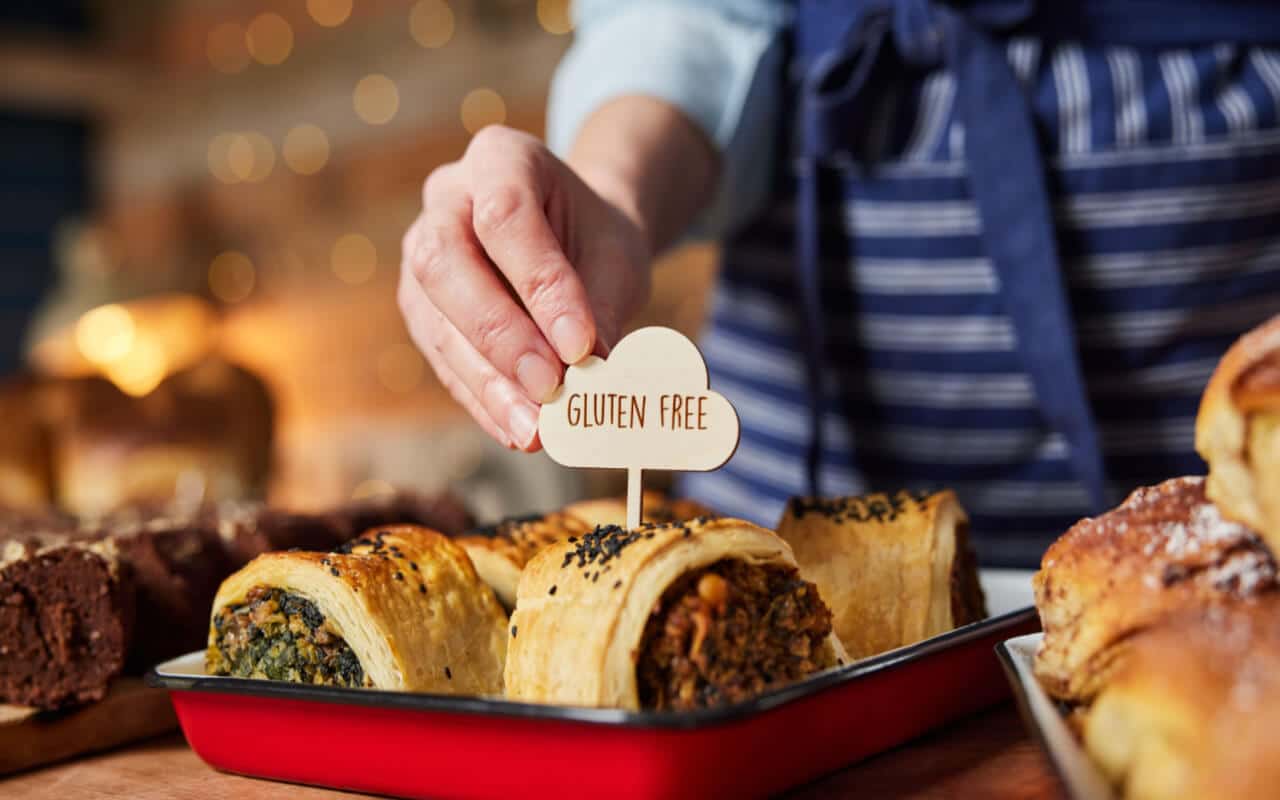
Most of us are familiar with the term “gluten” by now. You may have noticed products in supermarkets proudly advertising themselves as gluten-free. But what exactly is gluten, and what does it mean to follow a gluten-free diet? Let’s delve deeper into this topic. Keep reading below.
What is a Gluten-Free Diet?
To understand what a gluten-free diet entails, let’s first get acquainted with gluten. Gluten is a protein commonly found in grains like rye, barley, and wheat. For individuals with conditions such as celiac disease, consuming gluten can be harmful. A gluten-free diet is recommended for these individuals and others with gluten-related medical issues.
Advocates of gluten-free diets claim benefits such as improved energy, health, and weight loss. However, it’s important to note that such a diet significantly alters your nutritional intake. Therefore, it’s advisable to consult a healthcare professional before starting a gluten-free diet.
If you have conditions like gluten ataxia, celiac disease, wheat allergy, or non-celiac gluten sensitivity, your doctor or dietitian may recommend a gluten-free diet for you. These conditions can have adverse effects on your health and well-being.
Managing a gluten-free diet requires careful attention to the foods you consume and their sources. Even individuals without specific health conditions may opt for a gluten-free diet based on the perceived health benefits.
Gluten Free Diet Plan – What to Eat, What to Avoid
In India, individuals with celiac disease or gluten sensitivity have easy access to gluten-free alternatives to incorporate into their diets. With rice being a staple in most Indian diets, it’s a simple switch from wheat-based products like roti to rice. Additionally, millets can serve as a wheat replacement for those who prefer them. Choices like jowar roti can also be a suitable alternative to wheat roti.
India offers a diverse range of gluten-free food options. You can start your day with breakfast choices like dosa, poha, fruits, or dhokla, have a rice-based lunch, and opt for a salad and grilled meat for dinner. Below is a 7-day gluten-free diet plan you can follow:
7 Day Gluten Free Diet Plan
Monday:
- Breakfast: Moong Sprouts Cheela (2) + Coriander Chutney (2 tbsp) + Skimmed Milk (1 glass)
- Morning Snack: Apple (1) + Almonds (5)
- Lunch: Cooked Rice (1 katori) + Cooked Dal (1 katori) + Mix Veg Sabzi (1 katori) + Tomato Salad (1 katori)
- Evening Snack: Grilled Paneer (75g)
- Dinner: Ragi Roti (2) + Egg Curry (1 katori)
Tuesday:
- Breakfast: Dal Idli (2) + Chutney (2 tbsp) + Sambar (1 katori)
- Morning Snack: Banana (1) + Cashews (5)
- Lunch: Cooked Rice (1 katori) + Paneer Curry (1 katori) + Beans Sabzi (1 katori) + Cucumber Salad (1 katori)
- Evening Snack: Boiled Eggs (2)
- Dinner: Jowar Roti (2) + Chana Curry (1 katori)
Wednesday:
- Breakfast: Dosa (2) + Tomato Chutney (2 tbsp) + Sambar (1 katori)
- Morning Snack: Pear (1) + Walnuts (5)
- Lunch: Bajra Roti (2) + Cooked Dal (1 katori) + Cabbage Sabzi (1 katori) + Mix Veg Salad (1 katori)
- Evening Snack: Protein Shake (1 glass)
- Dinner: Grilled Chicken (2 pieces) + Tossed Salad (1 cup) + Boiled Potato (1)
Thursday:
- Breakfast: Scrambled Eggs with veggies (1 katori) + Gluten Free Bread (2)
- Morning Snack: Fruit & Nut Chaat (1 katori)
- Lunch: Cooked Rice (1 katori) + Fish Curry (1 katori) + Carrot Peas Sabzi (1 katori) + Tomato Salad (1 katori)
- Evening Snack: Roasted Makhana & Nuts (1 katori)
- Dinner: Dal Dosa (2) + Lobia Veg Sambar (1 katori)
Friday:
- Breakfast: Banana Whey Protein Shake (1 glass)
- Morning Snack: Cucumber Chaat (1 katori)
- Lunch: Cooked Rice (1 katori) + Chicken Curry (1 katori) + Aloo Sabzi (1 katori) + Cucumber Tomato Salad (1 katori)
- Evening Snack: Boiled Egg (1)
- Dinner: Cheela (2) + Tomato Chutney (2 tbsp) + Dahi (1 katori)
Saturday:
- Breakfast: Jowar Peas Upma (1 katori) + Sambar (1 katori)
- Morning Snack: Apple Cashew Almond Salad (1 katori)
- Lunch: Brown Rice Chana Pulao + Veg Raita
- Evening Snack: Boiled Egg (2)
- Dinner: Grilled Paneer (100g) + Tossed Salad (1 cup) + Boiled Sweet Potato (100g)
Sunday:
- Breakfast: Gluten Free Oats-Egg Pancakes with Honey (2)
- Morning Snack: Banana Greek Yoghurt Milkshake
- Lunch: Chicken Vegetable Salad (1 bowl)
- Evening Snack: Fruit Custard with Stevia (1 katori)
- Dinner: Mixed Millet Rotis (2) + Chicken Curry (1 katori) + Lettuce Salad (1 katori)
Our gluten-free diet chart takes into account your nutritional requirements and aims to meet the daily nutrient needs of an adult. If you feel hungry after following the suggested portion sizes, gradually increase your portions to satisfy your hunger.
Gluten Free Diet Benefits
Embarking on a gluten-free diet comes with both risks and benefits. In this section, we will explore the benefits of a gluten-free diet. Apart from the known harmful effects of gluten on individuals with gluten sensitivity and related conditions, studies indicate that a gluten-free diet can also benefit people with irritable bowel syndrome. However, these health issues are not prerequisites to reap the benefits of a gluten-free diet.
A gluten-free diet can benefit everyone. Here are a few ways in which a gluten-free diet can be advantageous for individuals without gluten intolerance:
- It encourages the consumption of fruits and vegetables, as all fruits and vegetables are naturally gluten-free.
- By eliminating processed unhealthy foods from your diet, you consume less junk food while on a gluten-free diet.
- The intake of minerals, vitamins, and antioxidants increases, reducing the susceptibility to viral and germ-related illnesses.
- According to the Gluten Intolerance Group, a gluten-free diet also lowers the risk of heart diseases, cancer, and diabetes.
Gluten Free Diet for Weight Loss
The trend of using gluten-free diets for weight loss is gaining popularity globally. It is believed that a gluten-free diet can facilitate healthy weight loss. But how valid is this claim? Let’s explore this topic further. When someone adopts a gluten-free diet, they must eliminate all gluten-containing foods from their meals.
This includes sauces, food additives, and staples like wheat and rye. As a result, individuals typically lose weight initially by cutting out these high-calorie foods. Additionally, transitioning to a gluten-free diet requires careful reading of food labels before making purchases, promoting healthier eating habits. Making informed choices about food consumption can reduce the likelihood of overeating or consuming unhealthy foods.
Portion control is another key aspect to consider. Regardless of the diet followed, maintaining control over portion sizes is essential for weight management. Without proper portion control, weight gain may still occur, irrespective of the diet plan.
Summary
Gluten is a crucial protein that should not be eliminated from your diet without consulting an expert. If you do not have gluten sensitivity or any related condition, carefully consider whether a gluten-free diet is suitable for you. However, if you do require a gluten-free diet, consult with your dietitian to explore gluten alternatives that can meet your nutritional needs.
Frequently Asked Questions (FAQs)
What can you eat on a gluten-free diet?
India offers a wide variety of gluten-free food options. You can enjoy dishes like dosa, poha, fruits, or dhokla for breakfast, opt for curry with rice for lunch, and finish your day with a salad and grilled meat.
Do potatoes have gluten?
No, potatoes are naturally gluten-free.
What are gluten foods?
Gluten foods are those rich in gluten, a protein commonly found in grains like rye, barley, and wheat. Consuming gluten-rich foods can be harmful to individuals with conditions like celiac disease.
Can you lose weight on a gluten-free diet?
Yes, weight loss is possible on a gluten-free diet. By eliminating high-calorie gluten-containing foods and practicing portion control, individuals can achieve healthy weight loss.
Are bananas gluten-free?
Yes, bananas are entirely gluten-free.
Do eggs have gluten?
No, eggs are naturally free of gluten.
Is peanut butter gluten-free?
Most brands of peanut butter are gluten-free, but it’s advisable to check the label before purchase to ensure gluten is not added.
What are the worst foods for gluten?
Wheat-based products like bread, noodles, and biscuits have high gluten content. Additionally, cereals like rye, barley, and beer are known for their gluten content.
Does gluten cause belly fat?
There is no direct evidence linking gluten to belly fat. However, individuals with a gluten allergy may experience digestive issues like bloating and cramping.
What happens when you first stop eating gluten?
When transitioning to a gluten-free diet, some individuals may experience side effects like increased hunger, withdrawal symptoms, and constipation. These effects are temporary and typically subside as the body adjusts to the new diet.
Does milk have gluten?
No, milk is free of gluten.