
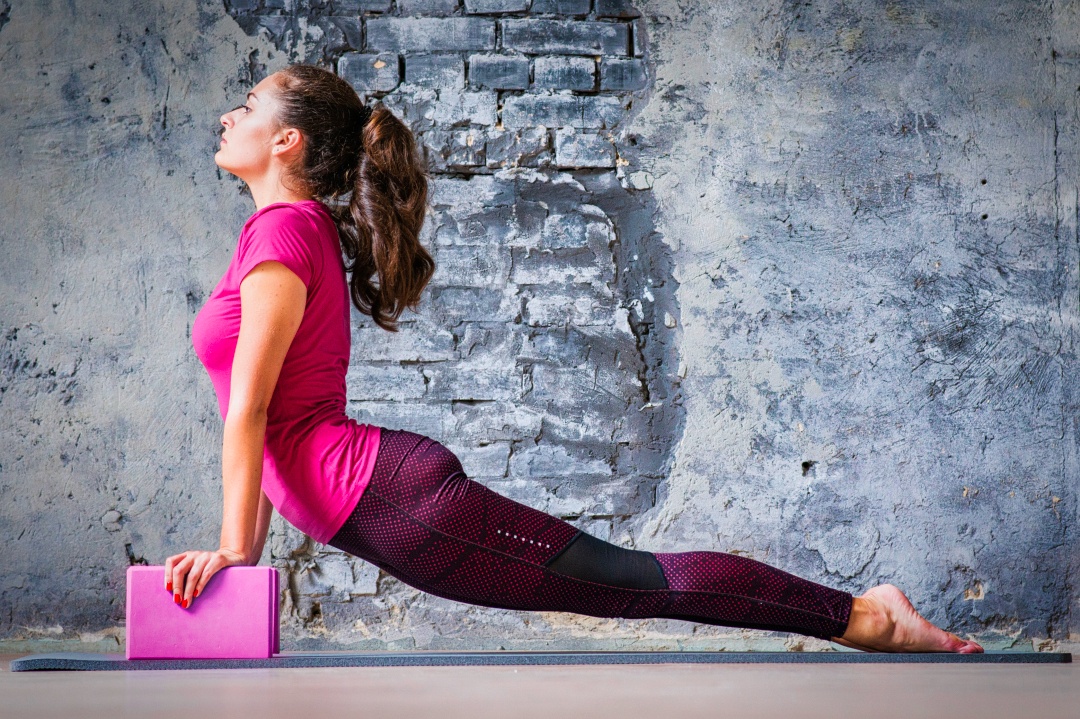
Yoga props gained popularity through the teachings of the late B.K.S. Iyengar as aids to enhance the body’s alignment in yoga poses. Among the various props, a yoga block is widely used in yoga classes. These blocks serve to extend the reach of one’s hands, provide support for the back, head, and hips, and improve alignment awareness. While most yoga studios offer blocks for borrowing, having your own set is more hygienic and allows for home practice. When selecting a yoga block, factors to consider include size, material, cost, and quantity.
Disclosure: This post may contain affiliate links. If a purchase is made through these links, we may earn a commission at no extra cost to you. Your kind support helps us create more mindful articles!
Do You Need Yoga Blocks?
While not essential, yoga instructors often recommend or require the use of blocks, especially for beginners or individuals with physical limitations. Advanced practitioners can also benefit from props to safely explore challenging poses. Additionally, those with specific body proportions may require blocks to fully engage in certain poses.
Although some may view props as a crutch, they can actually enhance your practice by:
- Increasing accessibility to poses by extending limbs
- Improving balance in standing poses
- Preventing injury by reducing strain
- Promoting proper alignment and deeper pose understanding
- Providing support for relaxation and muscle activation

Enhancing Your Yoga Practice with Props
Props like blankets, blocks, and straps can help correct alignment, build strength, and deepen your pose experience.
Dimensions of Yoga Blocks
While B.K.S Iyengar recommended a block size of 9 x 4.5 x 3 inches, the most common dimensions are 4″ x 6″ x 9″. Your choice of block size should consider the size of your hands and your flexibility level. Smaller blocks are suitable for individuals with small hands and good flexibility, while larger blocks are better for those with larger hands and less flexibility. Half-sized blocks can also be useful when an in-between height is needed.
Shapes of Yoga Blocks
Traditional yoga blocks are rectangular bricks, but variations include different proportions and shapes like curved or rounded blocks that are ideal for reclining poses and backbends.
Choosing Among Foam, Wood, and Cork Blocks
Originally made of wood, yoga blocks now come in foam and cork options. Each material offers unique characteristics in terms of weight, durability, sweat-absorption, rigidity, and cost. Your choice should align with your yoga style, budget, and personal preference.
Wooden Yoga Blocks

Hollow wooden yoga blocks are typically made from various woods like bamboo, birch, or pine. Harder woods offer durability, while softer woods are lighter. Wooden blocks are sturdy but heavy (weighing 1.5 to 2.5 pounds) and may become slippery with moisture. Although durable and aesthetically pleasing, wooden blocks can be expensive, slide on hardwood floors, and feel uncomfortable for some practices without additional padding.
Cork Yoga Blocks

Cork yoga blocks are eco-friendly, lightweight (1-2 pounds), and softer than wood. While they stack well, cork absorbs sweat and odors, requiring regular maintenance. This material may not last as long as wood blocks.
Foam Yoga Blocks

Foam yoga blocks are affordable, lightweight (3-12 ounces), and soft. These blocks are commonly found in yoga studios due to their durability and ease of cleaning. However, foam blocks may wear out quickly and feel less stable in active poses.
Number of Yoga Blocks Needed
While one block may suffice, purchasing two blocks offers added versatility and support for a wider range of poses. Buying a set of two blocks initially ensures a matching pair and potential cost savings. Having two blocks allows for more support options during practice, even though it may entail a higher initial investment.
Where to Purchase Yoga Blocks
Various companies, including Hugger Mugger, produce yoga mats and props. These products are available in big box stores like Target, Dick’s Sporting Goods, and Walmart, as well as online platforms like Amazon. Premium blocks from specialized yoga supply companies are recommended for experienced practitioners, while beginners may start with basic and affordable options.
