
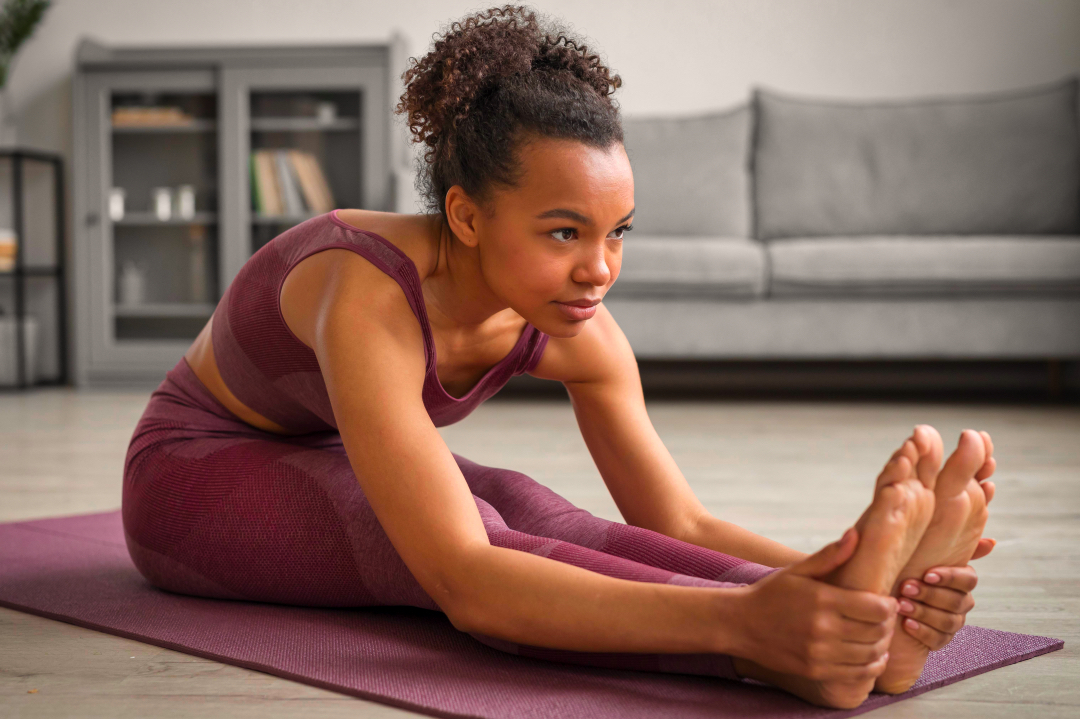
A restful night’s sleep is essential for your health, productivity, and overall well-being. Did you know that bedtime yoga can assist in achieving a peaceful night’s sleep and enhancing your overall health? It’s true! Engaging in bedtime yoga before sleep is also an effective method to release the stress and concerns of a busy day, leaving you feeling rejuvenated and energized upon waking. If you are seeking to unwind, decompress, and prepare your mind and body for sleep at the end of your day, continue reading to explore how beginners can initiate a bedtime yoga routine.
Understanding Bedtime Yoga
Bedtime yoga involves a series of stretches and calming poses performed in the evening to promote relaxation and facilitate easier sleep. A deliberate and gentle evening practice helps you unwind, relax, and achieve better sleep through gentle stretches, deep breathing, meditation, and guided relaxation. It is also a great way to lower your heart rate and transition into a restful sleep. The practice of bedtime yoga is straightforward and accessible to individuals of all experience levels.
Benefits of Yoga Before Bed
There are numerous reasons to try bedtime yoga, from stress relief to enhanced flexibility, but one of the primary advantages of practicing yoga before bedtime is the improvement of sleep quality. Quality sleep is vital for feeling refreshed the following day, yet falling and staying asleep can be challenging. By enhancing the quality of your sleep, engaging in yoga before bedtime can ensure a restful night’s sleep.
As some poses may have an invigorating effect, it is advisable to avoid these positions that can stimulate your mind and hinder sleep. If you incorporate active asanas, such as backbends or warrior poses, place them at the beginning of your evening sequence. Focus on including primarily calming poses in your routine, such as forward bends, side bends, and twists. Seated poses are generally less stimulating and more soothing than standing asanas.
How Evening Yoga Aids Sleep
Evening yoga offers numerous benefits, including improved sleep, relief of muscle tension, overall health enhancement, and a sense of refreshment and relaxation in the morning. Calming postures and deep breathing help alleviate stress and anxiety, which can contribute to insomnia and poor sleep. Yoga, a relaxation practice akin to meditation, functions by calming the nervous system and clearing the mind. A calm and peaceful mind facilitates falling and staying asleep. Additionally, yoga can aid in prolonging sleep duration by stretching sore muscles, enhancing circulation, and harmonizing the body, mind, and emotions. An evening yoga flow can prepare you for bedtime and establish a ritual for sleep preparation.
Timing of Evening Yoga
If you are practicing evening yoga to improve sleep, it is advisable to engage in it at least 30 minutes before bedtime. If you experience difficulty falling asleep, you can practice right before bed. If your aim is to reduce work-related stress, worry, and anxiety, consider starting your practice immediately after work. Most importantly, ensure you wait approximately 2 hours after eating before practicing.
Recommended Yoga Styles for Sleep
Various types of yoga promote sleep in distinct ways and offer different benefits. While any style of yoga may encourage deep rest, the following are particularly conducive to promoting a restful night’s sleep:
- Hatha — This traditional class emphasizes the entire body, utilizing breathing techniques and meditative exercises to relax the body and focus the mind. Hatha yoga is an excellent way to unwind your muscles and calm your mind after a long day. Be sure to avoid energizing and invigorating poses and pranayamas if practicing close to bedtime.
- Gentle — Gentle yoga is ideal for evenings as it focuses on relaxation, balance, and meditation, in contrast to more vigorous forms like ashtanga or vinyasa. Practicing gentle yoga at night is beneficial as it concentrates on relieving bodily tension through various stretching poses.
- Yin — This meditative class involves the same stretches as Hatha yoga but is performed at a slow pace. Poses are held for an extended duration, ranging from 4-6 breaths to up to 10-15 breaths. These deep stretches relax the entire body without stimulating the cardiovascular system.
- Restorative — Often practiced in the evening, restorative yoga relaxes the body and clears the mind. It is a gentle, slow form of yoga that utilizes props to support the body in poses, requiring minimal effort. This passive practice is beneficial for individuals recovering from injuries or feeling generally fatigued.
- Yoga Nidra — A guided meditation and conscious relaxation technique that induces a deep state of peace and calm. Yoga Nidra is particularly helpful for releasing tension and stress from the body. It is best practiced in bed or on the floor just before sleep.
Beginning an Evening Yoga Practice
Yoga is a fantastic way to unwind after a busy day, but finding time for a full class can be challenging. Fortunately, you don’t need a lengthy practice to enjoy the benefits of evening yoga. Before starting an evening yoga flow, beginners should consider a few key factors.

- Be Prepared.
A brief daily yoga session can be as effective as, if not more than, a longer session once or twice a week. A 15-minute nighttime yoga practice at the end of your day can help you release worry, stress, and fatigue. Prepare for your yoga session 60-30 minutes before bedtime to ensure you have ample time for practice without feeling rushed. Keep a yoga mat and any necessary props under your bed or in a readily accessible location. - Establish a Yoga Space.
Creating a designated space for practice is one of the best ways to establish a routine. Select a serene, quiet, dimly lit space with minimal foot traffic to help you maintain a calm and centered mindset. Utilize candles, essential oils, and ambient music to further promote relaxation and transition into a meditative state. - Start with Fundamental Poses.
If you are new to yoga, begin with simple beginner asanas such as Cat and Cow, Seated Head to Knee, Down Dog, Reclining Bound Angle, Supine Spinal Twist, Happy Baby, and Child. If you struggle with sleep, attempt some basic asanas in bed and transition from Shavasana to sleep. The key is not to push or strain yourself excessively but to establish habits that enhance flexibility and movement over time. - Set a Goal.
Maintain motivation by setting a goal for yourself. Whether it’s mastering a certain number of asanas in a month, achieving a specific weight loss target, or learning new or advanced poses by a set deadline, having a goal helps you focus on the benefits of your practice and progress steadily. - Keep It Simple.
When developing good habits, starting small is key. The beauty of yoga is that it doesn’t necessitate expensive equipment. You can practice from the comfort of your home, or even your bed! Begin with simple stretches and breathing exercises that you can build upon. Explore online evening yoga videos to keep your routine varied. Remember to be kind to yourself. The objective is to engage your body and mind, fostering a more mindful evening. Schedule your practice time and prioritize self-care.
Tips for Beginners
Begin by locating a quiet and comfortable space to practice, then lie down on a flat surface like the floor. Wear loose, comfortable clothing for your practice.
- Warm up your muscles with gentle movements before progressing to more challenging poses to prevent injury.
- Initiate your routine with basic stretches and beginner yoga poses.
- Practice at a gentle and unhurried pace.
- Maintain slow, deep diaphragmatic breathing throughout your practice.
Is Bedtime Yoga Suitable for You?
Is bedtime yoga appropriate for everyone? Absolutely! While bedtime yoga is particularly beneficial for busy individuals struggling with sleep, the poses and breathing exercises in bedtime yoga offer advantages to a wide range of individuals.
- Kids—Bedtime yoga is an excellent method for calming restless, energetic children and helping them unwind before bedtime. There are numerous engaging children’s yoga books available to teach kids the poses.
- Busy Individuals—Bedtime yoga is a great option for anyone looking to unwind before bed or who lacks time for a practice earlier in the day. An evening practice can be as brief as 15 minutes, making it easy to integrate into a busy schedule.
- Beginners—Given the gentle and calming nature of evening sequences, bedtime yoga is an excellent choice for novice practitioners. A brief bedtime yoga routine can help you become acquainted with fundamental poses, paving the way for more advanced classes in the future.