
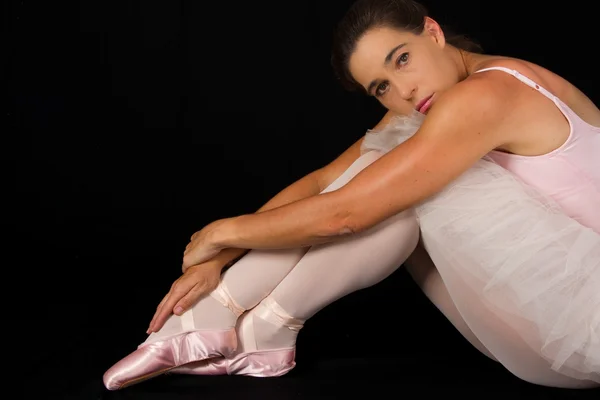
Dancing is a wonderful activity that can boost physical and mental wellbeing, but for professional dancers, it can also be very demanding and take a toll on their mental health.
Studies have shown that professional dancers are at a higher risk of mental health issues such as anxiety, eating disorders, and obsessive-compulsive disorders due to the pressure for perfectionism in their field.
Many dancers turn to harmful substances to cope with the stress and pressure, leading to addiction and mental health challenges.
It is important for dancers to prioritize their mental health in order to perform at their best. This article explores some key mental health tips for dancers.
10 Mental Health Tips for Dancers
Here are some essential mental health tips for dancers:
1. Prioritize Sleep
Getting enough sleep is crucial for dancers as it helps refresh the body, improve concentration, and aid in weight management.
Lack of sleep can lead to weight gain, which can be detrimental to a dancer’s performance and mental health.
It is recommended for dancers to get 7 to 8 hours of sleep per day.
2. Maintain a Positive Body Image
Having a positive body image is important for emotional well-being and performance as a dancer.
It can boost confidence, flexibility, and strength, enhancing overall performance.
3. Eat Nutritious Meals
Eating healthy, balanced meals is essential for both physical and mental health.
Avoid skipping meals and opt for foods rich in fiber, protein, and nutrients to support your dancing.
5. Address Injuries Promptly
Ignoring injuries can lead to pain, reduced flexibility, and emotional distress, affecting performance.
Notify your coach about any injuries and take the time to heal and rest.
6. Dance for Enjoyment
Dance for fun and joy, without focusing on perfection or performance pressure.
This can reduce burnout and remind you of your passion for dance, improving mood and well-being.
7. Build a Support System
Surround yourself with friends, family, and fellow dancers who understand the challenges you face.
Having a strong support network can provide emotional support and encouragement when needed.
8. Practice Positive Self-Talk
Replace negative thoughts with positive affirmations to boost self-esteem and motivation.
Positive self-talk can help combat self-doubt and anxiety, enhancing mental resilience.
9. Journal Your Thoughts
Write down your experiences and emotions related to dance to process and reflect on your journey.
Journaling can be a therapeutic way to express yourself and track your progress.
10. Seek Professional Help
If you feel overwhelmed or anxious, don’t hesitate to seek help from a therapist or counselor.
Conclusion
Prioritize your mental health as a dancer and seek support when needed. Embrace the journey and remember that perfection is not necessary.
Could you please rewrite the following text?