
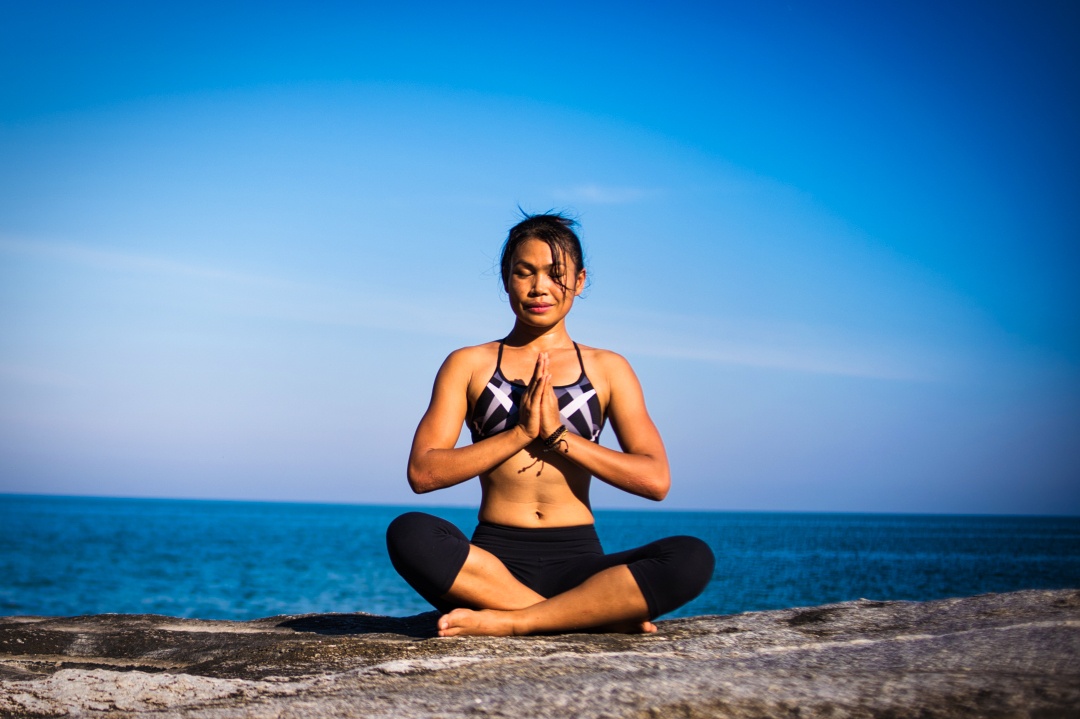
Pranayama is a foundational practice in hatha yoga that involves cultivating and absorbing prana, or life force energy, into the body and mind. Similar to physical poses (asana), there are various forms of pranayama that one can explore. One popular form is the Ujjayi breath, also known as the “ocean sounding breath.” While incorporating Ujjayi breath into your asana practice may initially feel challenging and unfamiliar, the benefits are numerous. These include linking breath to movement, generating internal heat, promoting mental stillness, enhancing overall health, and deepening meditation and mindfulness.
What Does Ujjayi Mean?
For many individuals, their first introduction to pranayama beyond basic breath awareness is through Ujjayi pranayama. Ujjayi involves a long, deep, and complete audible breath that passes through the nose. The term Ujjayi is often translated as “victorious breath” in Sanskrit, or as an “ocean breath” due to the wave-like sound produced by air passing through a constricted glottis, or vocal cords.
Benefits of Ujjayi Breathing
Many beginners may question the purpose of sounding like Darth Vader during a yoga class when practicing the Ujjayi breath. However, this ocean-like breath offers significant benefits to the body, mind, and heart. Whether it’s building internal heat, encouraging cleansing, boosting focus and concentration, increasing vitality, connecting breath with movement, reducing stress, strengthening the lungs, calming the body and mind, balancing energy channels, uplifting mood, or opening the sinuses, Ujjayi breath has a transformative impact on one’s well-being.

How to Practice Ujjayi Breathing
Ujjayi breathing is commonly utilized in hatha yoga classes. Refer to our detailed guide for step-by-step instructions on mastering this breathing technique.
Tips for Practicing Ujjayi
Various yoga instructors offer differing perspectives on how to approach this ancient pranayama technique. While some recommend a slight constriction of the throat, others suggest “narrowing” the glottis or vocal cords. Personally, visualizing the breath moving through the vocal cords during inhalations and exhalations helps me maintain focus without creating excessive noise. The key is to stay connected to Ujjayi throughout your yoga practice.
Mastering Ujjayi breathing requires practice both on and off the mat. Depending on the teacher or class, the volume and usage of the breath may vary.
How Loud Should Ujjayi Sound?
In dynamic yoga classes, instructors may emphasize the importance of audible Ujjayi breath for building heat and stamina. While it can be beneficial to have others hear your breath to refine your technique, it is more crucial to find a sustainable and comfortable engagement. Ultimately, the goal is to experience the benefits of Ujjayi breath without straining or forcing the sound.
While the volume of the breath can be a helpful guide, it is essential to prioritize comfort and long-term sustainability. Adjusting your technique may be necessary if you are not reaping the anticipated benefits.
Conclusion
Regardless of the volume, Ujjayi breath serves as a valuable tool for maintaining focus and calmness in both mind and body. While my personal “haaaa” sound may only be audible to me, the energy and tranquility I experience through this technique are unique to my Ujjayi breath. The rewards of this challenging pranayama practice are vast, but they require discipline, patience, and dedication to fully realize.