

Have you ever found yourself staring at a plate of eggs and thinking, “I just can’t do this again”? You’re not alone in feeling that way.
Eggs are a popular choice for protein, but they’re not the only option available. Plus, they might not be enough on their own. While two eggs provide around 12 grams of protein, it’s often not sufficient for most women to feel satisfied, energized, and stable throughout the morning.
As a dietitian, one common issue I see is women believing they’re getting enough protein at breakfast when they’re actually falling short. This can lead to energy dips, cravings, and a lack of desired muscle tone.
If you’re aiming to reach 30 grams of protein for breakfast without relying on eggs, here are some alternatives that can help you meet your goal.
5 High-Protein Breakfasts

1. Honey Greek Yogurt Protein Bowl
My recommendation: I love this option because it’s straightforward, well-balanced, and effectively reaches the 30g protein target without feeling too heavy. This bowl provides protein, fiber, and healthy fats to promote satiety and sustained energy.
- 1 ¼ cups plain Greek yogurt (2%) → 26g protein
- 2 tbsp pumpkin seeds → 4g protein
- Pomegranate to taste
- Pistachios to Taste
- Sprinkle of honey
Total protein: 30g
Just so you know: If you avoid dairy, opt for a coconut or almond-based yogurt and add in some protein powder.
2. Berry Protein Smoothie
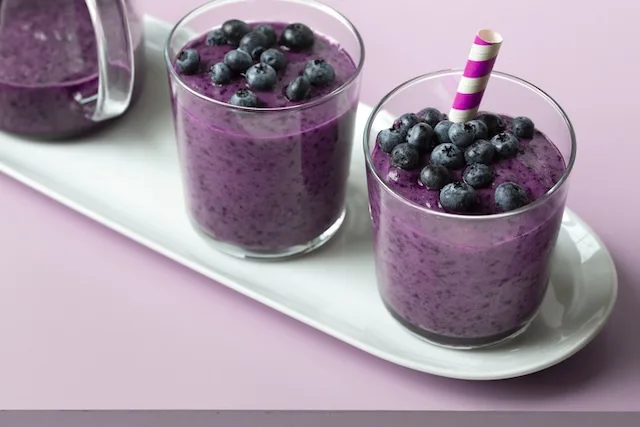
My recommendation: Many people fall short on protein in their smoothies by focusing too much on fruit and almond milk, which are low in protein and high in sugar. This recipe is designed to deliver 30g of protein while keeping you feeling full.
- 1 scoop protein powder → 20g protein
- 1 tbsp chia seeds → 2g protein
- 1 tbsp almond butter → 3g protein
- 1 cup milk (dairy or soy milk) → 8g protein
Total protein: 33g
Just so you know: Some plant-based protein powders may require two scoops to reach 20 grams of protein.
Pro tip: Enhance the creaminess of your smoothie by adding a handful of frozen zucchini. It blends well, adds thickness, and maintains the flavor without the need for extra fruit or sugar.
3. Cottage Cheese Protein Pancakes
My recommendation: This is a favorite way to make a high-protein breakfast more enjoyable and less routine. You still get the protein benefits in a format that feels like a special weekend breakfast. The cottage cheese blends in smoothly, offering protein without altering the texture.
- ½ cup cottage cheese → 14g protein
- 2 eggs → 12g protein
- ¼ cup oats (blended into flour) → 3g protein
- 1 scoop protein powder → 20g protein
Blend the ingredients and cook as you would regular pancakes.
Total protein: 49g
Pro Tip: Add cinnamon, vanilla, and baking powder for extra flavor.
4. Loaded Protein Oats
My recommendation: While oatmeal is primarily carbs and fiber, you can transform it into a high-protein, well-balanced breakfast that supports sustained energy and digestion when prepared correctly.
- ½ cup oats → 5g protein
- 1 scoop protein powder → 20g protein
- 1 tbsp peanut butter → 4g protein
- 1 tbsp hemp hearts → 3 protein
Total protein: 32g
Pro Tip: Prepare a large batch and store it in the fridge for a convenient high-protein breakfast option.
5. Chicken Sausage Breakfast Plate
My recommendation: For a savory alternative to eggs, consider a chicken sausage breakfast plate. Prioritizing protein in the morning can help maintain steady energy levels and appetite throughout the day.
- 3 chicken sausages → 30g protein
- ½ avocado
- Fresh Arugula
- ½ cup berries
Total protein: 30g
Pro Tip: Amylu’s breakfast chicken sausages and patties are highly recommended!
The Bottom Line
If you’re aiming to reach 30 grams of protein for breakfast, it’s about creating meals that are specifically designed to help you achieve that goal, rather than forcing yourself to consume foods you don’t enjoy.
Many women may unintentionally fall short on protein at breakfast not due to lack of effort, but because their meals, while appearing balanced, may not provide enough protein in practice.
Whether you choose a smoothie, a bowl, pancakes, or a savory dish, the key is to ensure there’s a solid protein foundation. By starting with protein and building your meal around it, you may experience improved energy levels, reduced cravings, and a breakfast that keeps you satisfied until your next meal.