

The concept of Yin and Yang represents two distinct yet interconnected energies that encompass everything in the universe. These energies are interdependent and can never exist in isolation from each other.
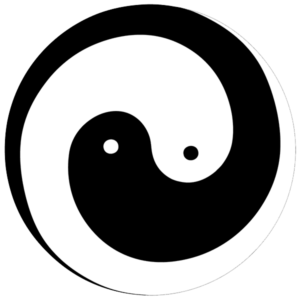
The symbol of Yin-Yang visually represents this inseparable relationship, where Yin contains a seed of Yang and vice versa. This duality emphasizes that Yin is also Yang, and Yang is also Yin, illustrating a delicate balance and harmony between the two energies. In harmony, these energies blend seamlessly into a unified whole.
A State of Constant Balance
The continuous flow of Qi maintains a dynamic balance between Yin and Yang energies. This natural equilibrium can be observed in the cyclical changes of the seasons, where each season transitions smoothly into the next. This perpetual balancing act is also evident in natural phenomena like a thunderstorm clearing the air on a humid day.
On a grand scale, all aspects of existence are in a constant state of balancing and rebalancing to achieve perfect harmony. While this harmony may not always be apparent in our complex lives, the principles of Yin and Yang govern all living beings, serving as the foundation of harmony in the universe.
Yin-Yang for Healing
Traditional Chinese Medicine (TCM) focuses on addressing the root cause of health issues by analyzing lifestyle, emotions, and thought patterns. Rather than treating symptoms in isolation, TCM aims to restore balance and harmony to the body, mind, and spirit. By aligning individual energy with the natural world, TCM seeks to create a state of holistic well-being.
Harmonizing the body, mind, emotions, and spirit is essential for maintaining health and vitality. By reflecting on moments of optimal wellness, individuals can strive to recreate that seamless state of harmony in their daily lives.
TCM emphasizes the importance of achieving balance and harmony within oneself and with the external environment to promote overall health and wellness.