

Some weightlifters believe that increasing their workout frequency will lead to better results. This might involve training every day of the week or enduring long three-hour sessions in the gym. However, as the philosopher B.I.G. once warned — more training, more problems.

Excessive training can lead to burnout and an increased risk of injuries. However, it’s important to note that excessive doesn’t always mean more. By following key principles, you can find a balance between intense training and overtraining. It’s even possible to train twice a day with the right approach. By the end of this article, you’ll have a better understanding of how to do it.
Understanding Two-A-Day Workouts
While the term “two-a-days” may evoke memories of intense practices for high school or college athletes, in this context, it refers to completing two workouts in a single day instead of the traditional one. Designing two-a-day training requires careful planning for both the workouts and adequate rest periods. This method isn’t recommended for beginners or individuals who prefer to improvise their workouts at the gym.
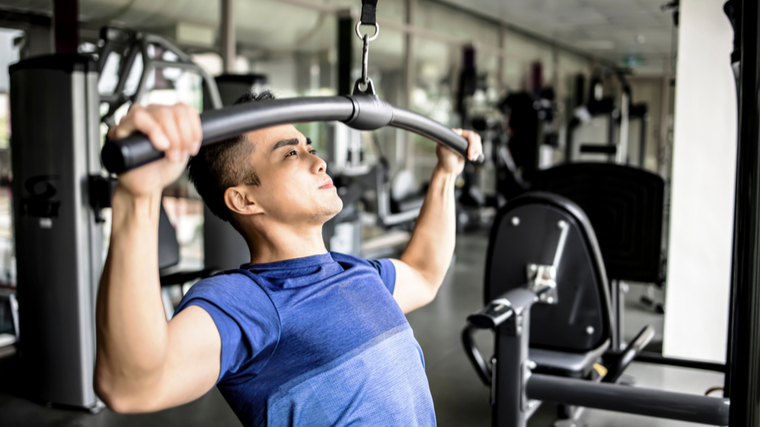
Training twice a day requires meticulous planning and a commitment to sticking to the plan without deviating. This training approach has been successful for traditional sports athletes, strength athletes, and physique competitors as it can enhance performance and recovery, resulting in greater overall benefits compared to a conventional training routine.
Two-a-day workouts can be customized to focus on skill development, strength building, muscle growth, or fat loss depending on the choice of exercises, sets, reps, and intensities in each session.
It’s crucial to understand that performing two workouts per day is not the same as doing so every day. Just like with regular training, rest days are essential and perhaps even more crucial.
Advantages of Two-A-Day Workouts
While training twice in one day may seem reserved for professional athletes, many recreational lifters can benefit from incorporating two training sessions in their daily routine. Apart from adding variety to your workouts, two-a-day training, when properly structured, can significantly enhance strength and muscle gains. Here are some reasons to consider two-a-days.
Shorter Workouts
Despite the initial perception, performing two workouts per day can actually save time by breaking down longer sessions into shorter, more manageable segments. This approach can be more convenient to schedule, especially when incorporating basic at-home workouts or splitting a longer session into two shorter ones.
By spreading out your training throughout the day, you can accommodate your workouts more easily into a busy schedule, offering flexibility and effectiveness without compromising results.
Enhanced Performance
Research indicates that performing two training sessions targeting the same muscle groups in each session can lead to greater strength gains compared to a single daily session. This method is particularly effective for increasing strength and power output.
Shorter, focused workouts combined with lower volume per session allow for better form and power output with reduced fatigue, enabling you to maximize performance without the constraints of a prolonged workout.
Muscle Growth
By striking the right balance between training stimulus and recovery strategies, you can create an optimal environment for muscle growth. Studies have shown that increased training frequency can stimulate protein synthesis, a key factor in muscle building.
Training twice a day falls under the high-frequency training category, which, when complemented with appropriate nutrition to support muscle growth, can be a highly effective approach for increasing muscle size.
Challenges of Two-A-Day Workouts
While training twice a day can be beneficial, it also poses risks if not planned and executed correctly. Here are some potential drawbacks to consider:

Two-a-days may not be suitable for everyone. It requires strict adherence to a predetermined plan and minimal deviation from the program. Here are a few other considerations to keep in mind:
Time Consuming
While two-a-day workouts can be time-efficient due to shorter sessions, they can also be challenging to schedule, especially if you have limited access to a gym, long commutes, or extended work hours. Planning and preparation for two workouts a day require additional effort and may not be feasible for everyone.
While the individual training sessions may be shorter, the overall commitment to training twice a day requires a significant investment of time and energy.
Importance of Recovery
Proper recovery is essential for progress and avoiding burnout. When training twice a day, adequate nutrition is crucial to support optimal performance and recovery between sessions. It’s essential to ensure that your body receives enough calories, protein, carbohydrates, and fats to sustain the demands of two-a-day training.
Rest periods between workouts should be non-strenuous to allow for effective recovery and prevent excessive physical stress on the body.
Avoiding Ego Lifting
While pushing yourself during a workout can be motivating, it’s important to avoid letting your ego dictate your training intensity, especially when training twice a day. Excessive exertion can lead to increased recovery time and potential injury, compromising the effectiveness of your two-a-day sessions.
It’s crucial to maintain discipline and focus on following the planned workouts without succumbing to the temptation of overexertion.
Who Can Benefit from Two-A-Day Workouts
Two-a-day training isn’t reserved for elite athletes alone. Whether you’re seeking a change in your routine or aiming to enhance your training plan, incorporating two-a-day workouts can provide a boost in strength and muscle size.
Strength Athletes
Competitive strength athletes, such as powerlifters, weightlifters, and CrossFit competitors, often divide their training into multiple sessions, focusing on specific lifts or training types in each session. Recreational lifters looking to prioritize strength can also benefit from this approach by tailoring their workouts to emphasize different muscle groups in each session.
Training for Body Composition
If your goal is to increase muscle mass, training twice daily can lead to greater gains compared to a single daily workout. By increasing training frequency and overall volume, you can stimulate muscle growth more effectively. For fat loss, incorporating two-a-day workouts can boost your daily calorie expenditure, aiding in achieving a caloric deficit for weight loss.
General Sports Athletes
Athletes involved in various sports, such as football, baseball, or combat sports, often combine sport-specific training with strength and conditioning sessions to enhance their overall performance. This dual approach allows for targeted training in each session without excessive fatigue from one type of training carrying over to the other.
Designing a Two-A-Day Workout Plan
Proper planning is essential when structuring a two-a-day training routine. Regardless of your fitness goals, certain principles should guide the development of your workout plan:
- Ensure at least six hours of rest between each workout session to minimize fatigue and optimize recovery.
- Include at least one meal between training sessions to support muscle recovery, hydration, and glycogen replenishment, essential for sustained performance.
- Vary the workouts as much as possible by focusing on different body parts, altering sets, reps, loads, or exercises to minimize cumulative fatigue and prevent overtraining.
- Gradually increase work capacity and progress to avoid overtraining. Start by replacing one or two training days with two-a-day sessions and gradually add more sessions as your body adapts to the increased workload.

Additionally, there are specific considerations to keep in mind when structuring an effective plan tailored to your goals. Proper planning is essential to maximize the benefits of two-a-day workouts.
Skill Session/Weight Training
This approach, common among general sports athletes, involves combining sport-specific training with weight training. It can be adapted to recreational sports enthusiasts participating in activities like tennis, MMA, or basketball.
Designing this plan involves focusing on skill-specific training in one session and weight training in the other to target different aspects of fitness and performance.
Cardio Session/Weight Training
Separating cardio and weight training sessions is popular among bodybuilders and individuals aiming for body composition changes. By alternating between muscle-building and fat-burning workouts, you can maximize the effectiveness of each session for improved overall results.
The order of sessions can vary based on personal preference, with both approaches yielding positive outcomes for body composition goals.
Weight Training/Weight Training
Performing two weight training sessions per day requires careful planning to balance recovery and muscle-stimulating exercises effectively. This approach can be highly effective for strength-focused workouts, with a primary lift in one session followed by accessory exercises in the second session.
Alternatively, you can split traditional training splits into two sessions, focusing on different muscle groups or movement patterns to enhance overall muscle development and strength gains.
Whether dividing your workout by body regions or intensity levels, a well-designed two-a-day plan can lead to significant improvements in strength and muscle size.
Recovery Strategies for Two-A-Day Workouts
Recovery plays a vital role in optimizing the benefits of two-a-day training. Proper nutrition and adequate rest are crucial to support the body’s increased demands during intense training sessions.

Here’s how you can enhance your recovery to match the intensity of your training regimen:
Nutrition
Regardless of your fitness goals, adequate nutrition is essential for fueling your workouts and supporting muscle recovery and growth. Consuming enough calories from proteins, carbohydrates, and fats is crucial to sustain intense training sessions that promote muscle development and strength gains.
For individuals aiming to lose weight, creating a caloric deficit through a combination of exercise and diet is key. By balancing your energy expenditure with your calorie intake, you can achieve sustainable fat loss without compromising muscle mass.
Many bodybuilders incorporate cardio sessions alongside weight training to increase their caloric expenditure, reaching a point where further calorie reduction through diet alone may not be feasible.
Establishing a calorie deficit of around 500 calories per day is a practical approach for steady fat loss, ensuring a gradual reduction in body fat while preserving muscle mass and strength.
Sleep
Adequate sleep is a crucial factor in enhancing gym performance and overall recovery. Getting seven to nine hours of quality sleep each night is essential for optimal recovery, hormone regulation, and muscle growth.
Prioritize improving your sleep quality and duration before embarking on a two-a-day training routine, as insufficient sleep can hinder your progress and compromise your training outcomes.
Rest Days
While elite athletes may follow rigorous training schedules, incorporating rest days into your routine is vital for most individuals. Balancing intense training sessions with focused rest and recovery days allows your body to adapt to the stress of training, leading to better strength and muscle gains.
By alternating challenging workouts with rest days, you can approach each session with renewed energy and focus, maximizing the effectiveness of your training regimen.
Sample Two-A-Day Workout
The foundation of a two-a-day training routine involves completing one workout, taking a break, and then proceeding with the second workout. While the specifics may vary, the key is to structure your plan based on your individual goals and preferences.
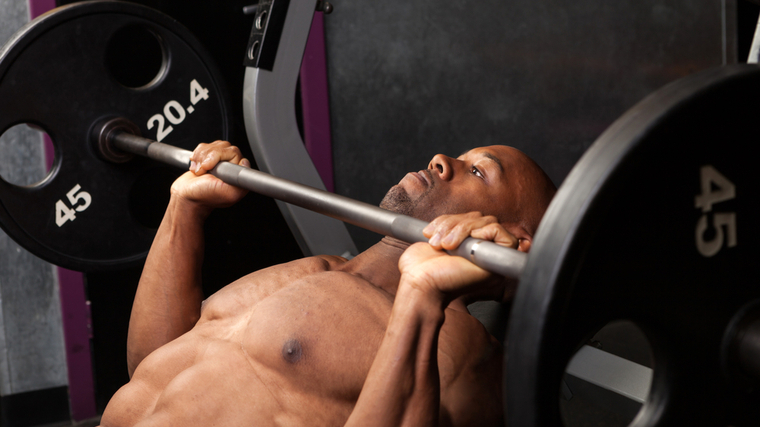
Here’s a sample plan to help you structure a two-a-day workout focused on muscle size:
Two-A-Day Workout for Muscle Size
This program follows an upper/lower split, offering six workouts per week, including two days of two-a-day sessions and three rest days. The plan is designed to prioritize muscle growth while allowing for adequate recovery.
Sunday
Morning Workout
- Flat Bench Press: 5 x 6-8
- Pull-Up: 5 x 6-8
- Incline Dumbbell Press: 4 x 10-12
- D