
Updated September 4, 2025 05:31PM
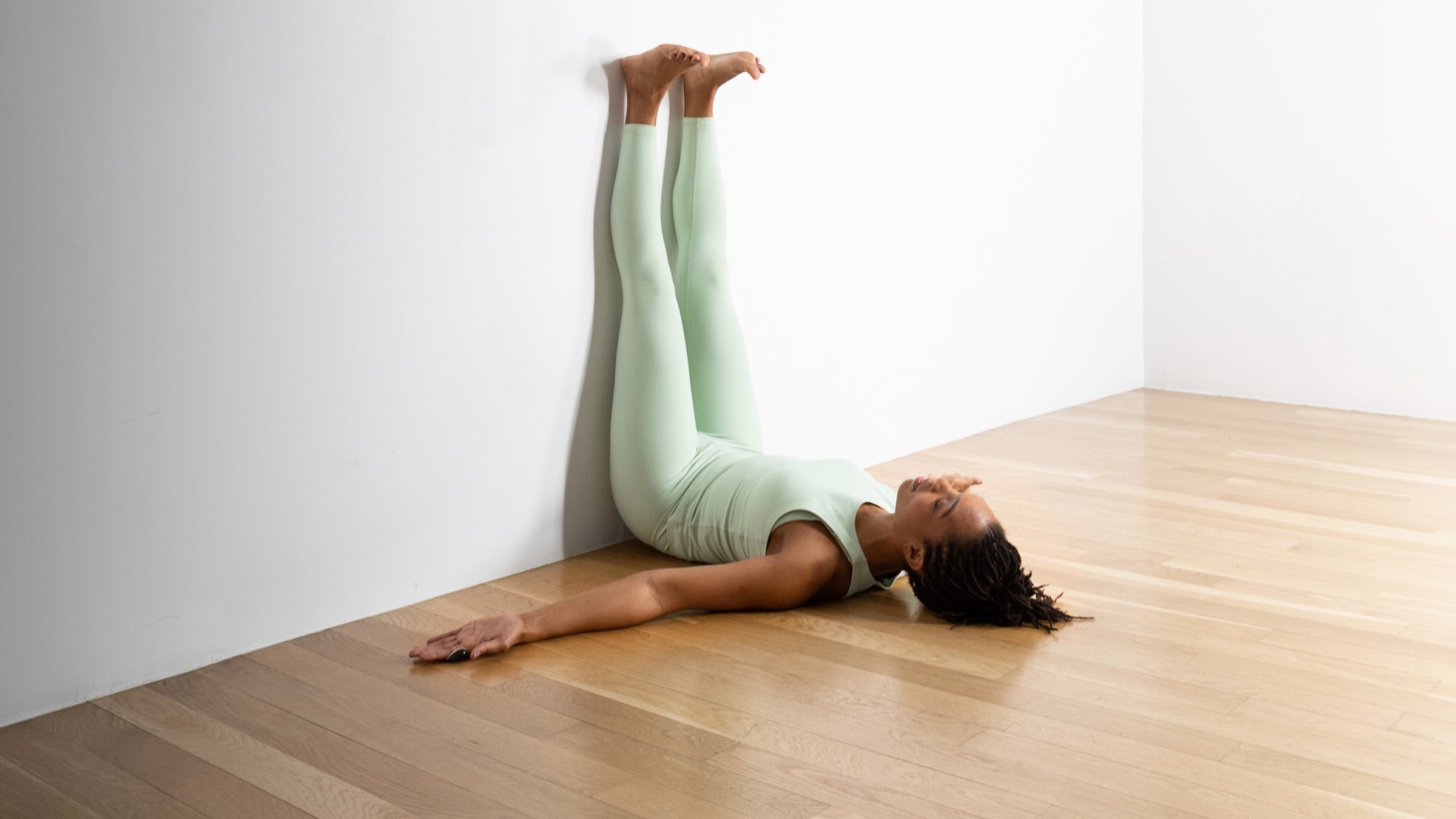
During my college days, I found solace in throwing my legs up the wall while reading with a highlighter in hand. Little did I know that this position was an actual yoga pose, Viparita Karani, or Legs Up the Wall Pose. Since then, I have explored various versions of this pose, practicing it in different settings like studios, gyms, and even outdoors.
The translation of Viparita Karani, “inverted action,” resonates with me as it symbolizes a rebellion against gravity’s effects. By reversing the normal action of our legs, we enter a state of rest and restoration. This pose has been crucial for me, especially during the stress of the pandemic, providing support and energy when needed.
Physiologically, Legs Up the Wall increases circulation to the upper body, stretches the back of the legs, and activates the rest-and-digest nervous system response. It offers relief from lower back pain, headaches, and menstrual cramps, while also providing an energy boost. Many practitioners believe it helps balance circulation throughout the body, keeping them feeling young.
Nowadays, I practice Legs Up the Wall solely for relaxation and unwinding. This pose allows me to switch from feeling overwhelmed to a state of calm, like a sandbag sinking into the ground.
21 Cues for Legs Up the Wall That You’ve Probably Never Heard Before
If you’re new to Legs Up the Wall, a single cue can enhance your experience and help you release tension. Here are some unique cues to deepen your practice:
1. Let your sit bones be magnetically drawn toward the wall
Lengthen through the low back by allowing your sit bones to be drawn toward the wall, neutralizing the pelvis and releasing the lumbar spine.
2. Imagine yourself as an electric prong plugged into the Earth
Visualize grounding yourself by plugging into the Earth and receiving restorative energy.
3. Feel your thigh bones sink into your hip sockets
Separate your legs hip-width apart to allow your thigh bones to drop deeper into the hip sockets, promoting muscle relaxation.
4. Use a strap around your legs
Wrap a strap around your legs for added support and ease, allowing you to fully relax in the pose.
5. Place a weight on your hands
Add a light weight to your palms and lower arms to enhance the grounding sensation and deepen the sense of rest.
6. Release any facial expression
Softening your facial muscles and releasing any tension in the eyes, ears, and mouth can enhance the restorative benefits of the pose.
7. Drop anchor with your breath
Use breathing techniques to encourage relaxation, such as a three-part breath that focuses on different areas of the body.
8. Imagine your eyes sinking back in their sockets, your brain resting in your skull
Visualize the sinking and releasing of your inner body, allowing for a deeper sense of relaxation.
Allow yourself to fully surrender and let go as you rest in this pose
As you settle into Legs Up The Wall pose, let go of any remaining tension or resistance in your body and mind. Surrender to the support of the ground and the wall, allowing yourself to fully relax and release. Take this time to truly rest and rejuvenate, knowing that you are fully supported in this moment of stillness and peace.
Stay here in place of Savasana
“This position naturally invites introspection,” notes LaVigne, who opts for Legs Up the Wall as an alternative to Savasana. It offers a unique form of relaxation.
21. Listen to your body. If any sensations feel too intense, exit early
While this pose is typically calming for most individuals, there are times when the effects of gravity may feel overwhelming. Should you experience discomfort or pain, feel free to release the posture before the intended duration. Remember, a fundamental aspect of yoga is tuning into your body’s signals and honoring them as your ultimate guide.
RELATED: Cues You Probably Haven’t Heard Before for Crow Pose, Down Dog, Reverse Warrior, and Pigeon.
This article has been updated. Originally published May 20, 2022.