
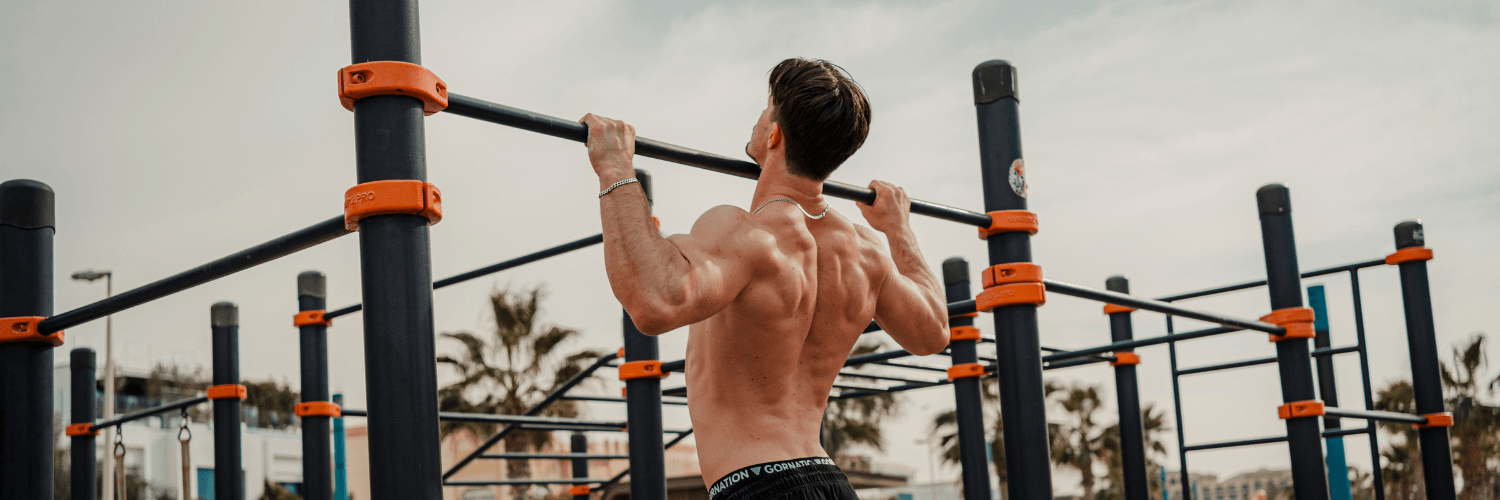
Ready to challenge yourself with the Pull Up Bar? This workout will put your upper body strength, grip, and core endurance to the test in a high-intensity AMRAP session. Whether you’re a beginner or a seasoned fitness enthusiast, it’s the perfect opportunity to push your limits, refine your technique, and finish strong.
Engage Your Entire Body with the Full Body AMRAP
This workout is designed as an AMRAP (As Many Rounds As Possible) lasting 20 minutes. You’ll perform a series of five exercises using only your pull up bar and bodyweight. Your goal is to complete as many rounds as you can while maintaining proper form and a steady pace.
Here’s what the workout entails:

Begin with five pull ups to target your back, arms, and grip strength. Transition to ten knee raises to engage your core and hip flexors. Hang on the bar for ten seconds in a dead hang to work on grip endurance and shoulder stability. Afterward, complete ten push ups with controlled form and finish the round with twenty bodyweight squats to keep your heart rate up.
This circuit targets your upper body, core, and legs for a comprehensive full-body challenge. Each round builds on the last, emphasizing the importance of mental focus alongside physical strength as fatigue sets in.
Feel free to take breaks as needed, but aim for consistency throughout the full 20 minutes. Whether you finish three rounds or thirteen, the key is to push yourself beyond your limits.
The Importance of the Pull Up Bar in Calisthenics
The pull up bar is a fundamental tool for developing functional upper body strength in calisthenics. It’s versatile, space-efficient, and offers a wide range of exercises to challenge your entire body. Whether you’re training indoors on a mounted bar or at a local park, the pull up bar is essential for making real progress.
What sets the pull up bar apart is its ability to engage multiple muscle groups simultaneously. Each pull up, hang, or knee raise works not only your arms but also your back, shoulders, core, and grip. This tool enhances pulling strength, posture, and upper body control, laying the foundation for advanced calisthenics movements like muscle-ups and front levers.
Adaptable to any environment, the pull up bar accommodates all fitness levels. Whether you’re a beginner practicing assisted pull ups or an advanced athlete incorporating weight with a dip belt, this equipment supports progressive overload, tracks your progress, and provides a consistent challenge without the need for a full gym setup.
In summary, the pull up bar is not just a nice-to-have accessory in calisthenics – it’s a must-have. It marks the starting point of your strength-building journey and continues to evolve with your skills.

Strategies for Excelling in the Challenge
To maximize your performance in this challenge, it’s not just about giving your all – it’s about strategizing smartly. Here are some practical tips to help you tackle the 20-minute session with strength, safety, and focus.
First and foremost, ensure you warm up adequately. Dedicate 5–10 minutes to prepare your body, focusing on areas like shoulders, wrists, and hips. Incorporate mobility exercises and light activation drills to reduce injury risk and enhance your performance from the first round.
One key strategy is pacing. Avoid starting at a sprint pace; instead, find a rhythm you can sustain. Consistency is key, so prioritize clean technique and conscious breathing to maintain endurance throughout the challenge.
Lastly, consider recording your workout if possible. Not only does this aid in reviewing your form, but it also serves as a motivational tool. Tracking your progress through video analysis can reveal significant improvements over time and foster a sense of community among fellow participants.

Essential Equipment for the Challenge
Having the right equipment by your side can enhance your performance in this challenge. While bodyweight serves as the primary resistance, strategic tools can support your workout, minimize injury risks, and help you customize the intensity based on your fitness level.
At the top of the list is the pull up bar. Whether wall-mounted or portable for doorways, this essential equipment allows you to train safely and perform exercises like pull ups, knee raises, and dead hangs with confidence.
For improved grip and control during exercises, consider using liquid chalk to prevent slips, especially on outdoor bars or during extended sets.
Wrist wraps offer added wrist stability during push ups and hanging movements, reducing strain and supporting proper form throughout the challenge.
If pull ups feel challenging or you want to maintain form as fatigue sets in, resistance bands are ideal for scaling the exercise while building strength.
For advanced athletes seeking to intensify their workout, incorporating a dip belt or weight vest can increase the challenge – ensuring you maintain proper form as you progress through the rounds.
Finish Strong, Embrace Growth
Completing this challenge is an opportunity to assess your journey and measure your progress. Remember, this is just the beginning, not the endpoint.
If you found this challenge rewarding, there’s a wealth of additional resources to explore. From pull-up guides to structured training plans, we’re here to support your calisthenics journey.
Stay committed, train consistently, and let’s progress together – one repetition at a time.