
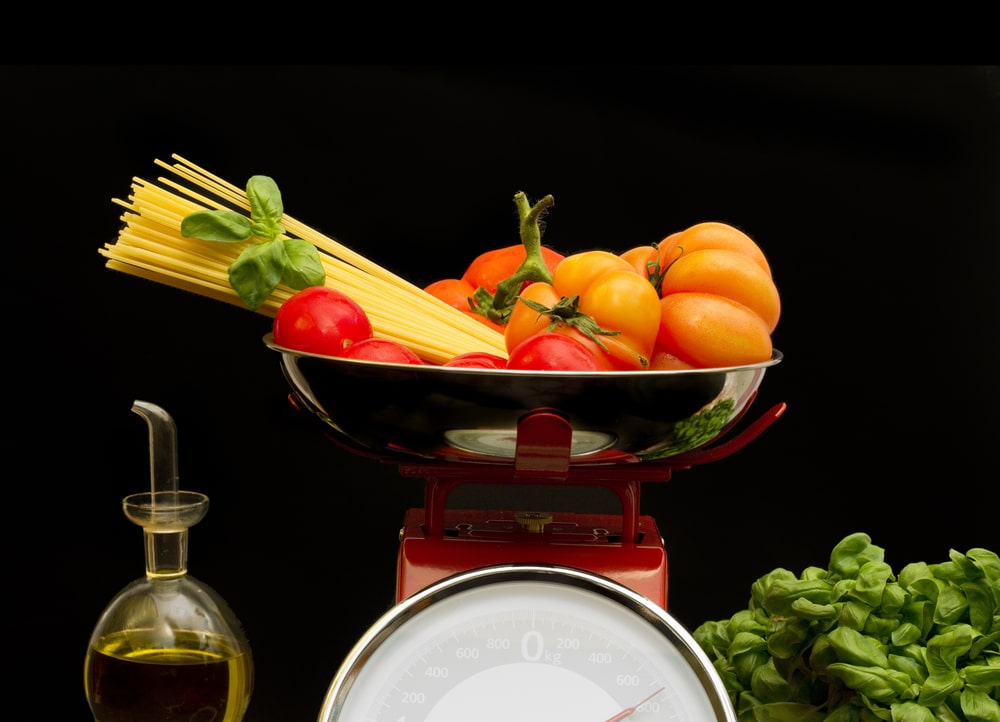
Many experts in diet and fitness suggest controlling serving sizes for those aiming to shed pounds. The most effective way to achieve this is by measuring your food.
But what exactly constitutes an accurate measurement? Serving sizes are a standardized measure of food, typically in cup or gram weight. This should not be confused with portion size, which refers to the amount of food you put on your plate.
The key focus should be on portion size. Here are some guidelines:
- One portion of raw vegetables or fruit should be about the size of your closed fist.
- ¼ cup of cooked vegetables is equivalent to the size of a light bulb.
- 100 g of whole fruit or 2/3 cup of yogurt is similar in size to a tennis ball.
- ¼ cup of dried fruits is comparable to the size of an egg.
- 25 g of cheese is about the size of a pair of dice.
- 85 g of potato is similar in size to a computer mouse.
- 1/3 cup of rice can fit into a muffin liner.
- 1/3 cup of pasta can be scooped up with an ice-cream scoop.
- 1 teaspoon of butter is about the size of your fingerprint.
- 1 tablespoon of nuts is similar in size to your thumbprint.
- 100 g of meat, chicken, or fish is roughly the same volume as two eggs.
Here are some additional simple tips to help you manage your portion sizes:
Share your meal
When dining out, opt for individual appetizers and share the main course. If you’re with a group, consider splitting a dessert.
Don’t clean your plate
While you may not be able to control portion sizes at a restaurant, you can regulate your intake. Try eating only half of what is served and save the rest for another meal.
Swap your dinner set for smaller plates
When eating at home, serve your meals on smaller plates. This can create the illusion of a full plate while actually consuming less food.
Skip second helpings
Limit yourself to one plate of food and resist the urge for seconds. Wait for 5-10 minutes to assess your hunger levels before considering another serving.