
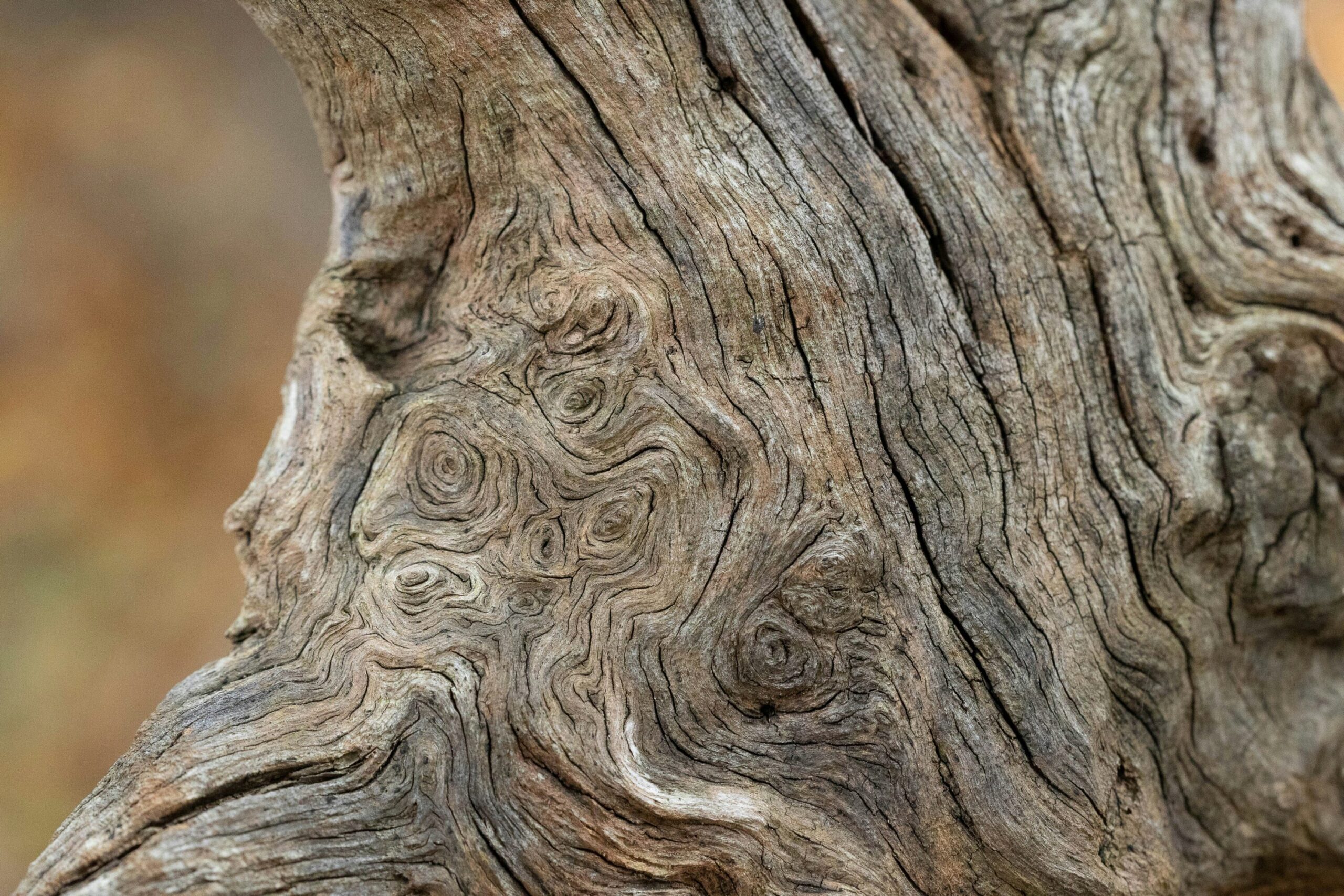
Stress is a common experience that affects us all differently. It can leave a lasting impact or be fleeting like a passing cloud. Interestingly, trees also bear visible marks of their stress in the form of knots and burls. Nature has a way of transforming scars into something beautiful.
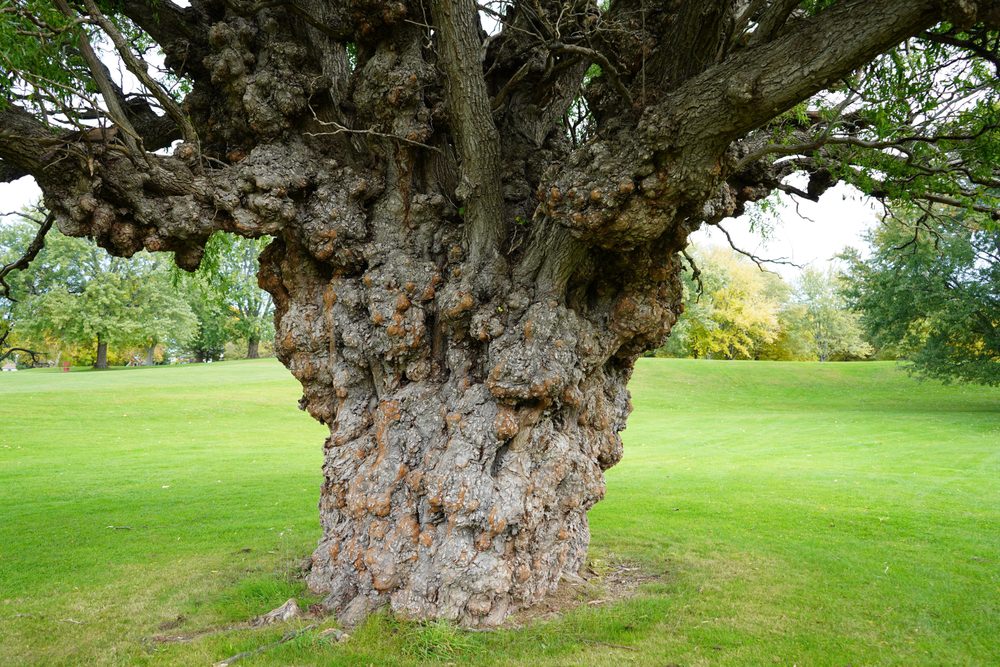
When a branch dies and falls off a tree, the tree continues to grow around the absence, forming circular knots in the wood. These knots, or burls, are overgrown and made up of buds growing inward instead of outward. They appear on the tree’s surface as a response to stress from disease, pests, climate shifts, or human activities like cutting. Burls serve as the tree’s “scars,” narrating its journey and struggle for survival.
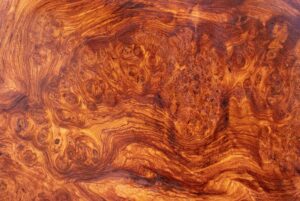
While knots and burls are often seen as flaws, they are highly valued by craftsmen and artists. When sliced, these formations reveal unique patterns of lines, waves, and folds, adding character and beauty to furniture and artwork.
Life’s imperfections can hold stories of resilience and growth. Just as a physical scar can remind you of a childhood mishap, emotional scars also shape our experiences. While these invisible scars may carry pain, viewing them as burls can help us appreciate the beauty that comes from every challenge we face.
Every imperfection, whether seen or unseen, tells a tale of strength and survival. By recognizing the beauty in our scars, both physical and emotional, we can embrace the lessons learned and the growth that comes from overcoming adversity.