
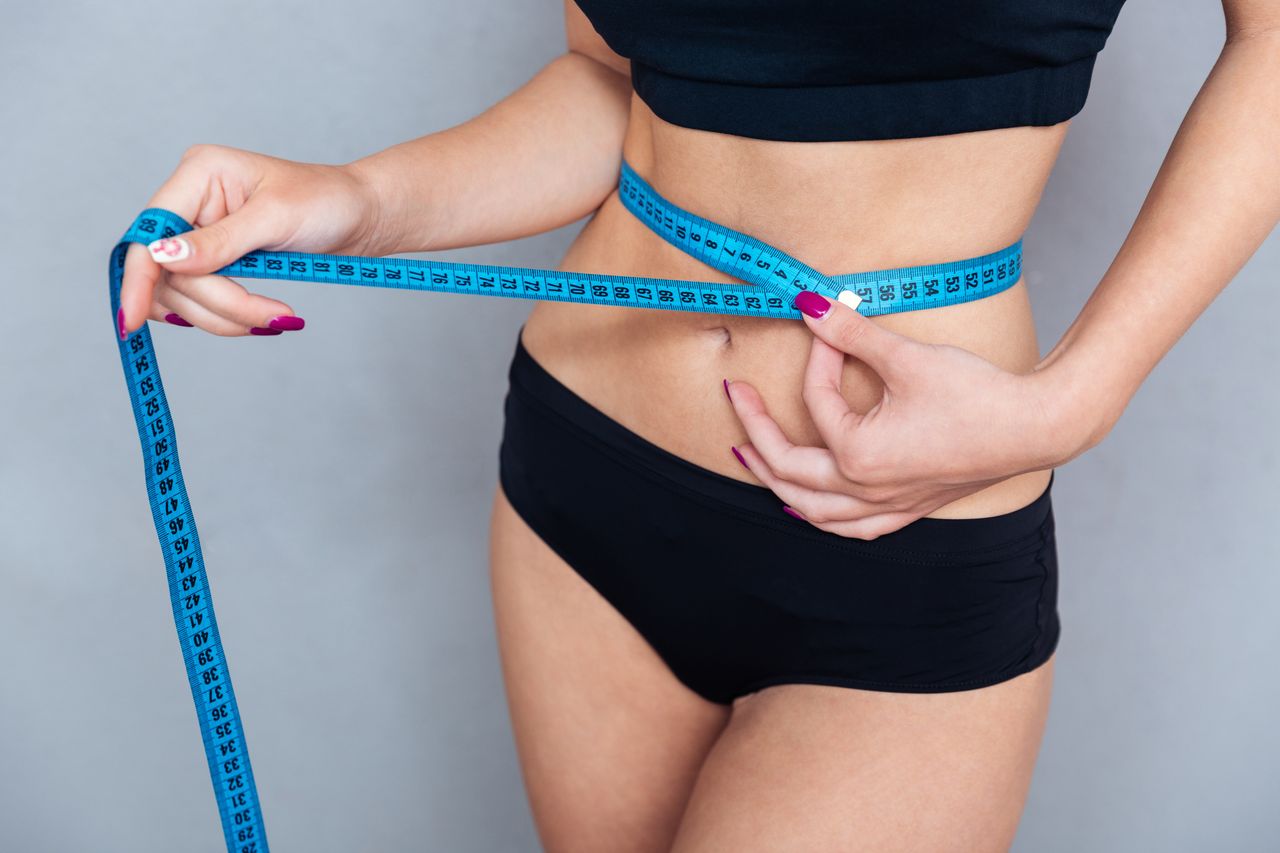
The waist-to-hip ratio has been a widely discussed topic in fashion and healthcare. Women and men have been striving for a low waist-to-hip ratio since the Victorian era.
In the past, some even resorted to wearing corsets to achieve a smaller waist. However, the importance of the waist-to-hip ratio and its impact on health make us question this ongoing trend.
Apart from aesthetic reasons, the waist-to-hip ratio provides valuable insight into body fat distribution compared to BMI. Even individuals with a healthy BMI can face increased health risks if they carry excess fat around their waist.
It is crucial to accurately measure our waist-to-hip ratio, take early preventive measures, and make necessary dietary and lifestyle changes accordingly.
Measuring the waist-to-hip ratio is simple and can be done at home with a measuring tape. Studies suggest that the ideal ratios for women and men are 0.7 and 0.85, respectively.
These ideal ratios are not just for aesthetics but also indicate good health. Anything within a ± 0.1 range is considered ideal to minimize the risk of health conditions. Individuals with ratios higher than the ideal range should seek advice from dieticians for necessary lifestyle adjustments.
Waist to Hip Ratio – The Formula
Calculating the waist-to-hip ratio involves two simple steps.
- Measure the waist circumference at the narrowest part (in inches or cm),
- Measure the hip circumference at the widest part (in inches or cm).
- Waist Hip Ratio (WHR) = waist circumference/hip circumference (cm/cm or inch/inch).
Ensure the measuring tape is snug but not tight or loose, and exhale before taking the measurements. Both waist and hip measurements should be in the same unit.
Waist-To-Hip Ratio: Circumference of Waist/Circumference of Hip
Stand straight with feet together, arms at sides, and weight evenly distributed. Measure after exhaling. Previous research categorizes waist-to-hip ratios for men and women.
Health Risk in Women
- Low risk: Waist to Hip Ratio of 0.80 or lower
- Moderate risk: Ratio between 0.81 and 0.85
- High risk: Ratio above 0.86
Health Risk in Men
- Low risk: Waist to Hip Ratio of 0.95 or lower
- Moderate risk: Ratio between 0.96 and 1.00
- High risk: Ratio above 1.00
Examples to Understand Waist Hip Ratio
For a woman with a 30-inch waist circumference, the resulting waist-to-hip ratios vary based on hip circumference:
- 34-inch hips: 0.88 (high health risk)
- 36-inch hips: 0.83 (moderate health risk)
- 38-inch hips: 0.78 (low health risk)
For a man with a 34-inch waist circumference, the resulting ratios based on hip circumference are:
- 30-inch hips: 1.13 (high health risk)
- 35-inch hips: 0.97 (moderate health risk)
- 37-inch hips: 0.91 (low health risk)
Individuals with waist circumferences exceeding 35 inches for women and 40 inches for men should consult healthcare professionals for appropriate lifestyle changes.
Waist to Hip Ratio – How Does it Affect Your Health?
The waist-to-hip ratio provides insights into abdominal fat distribution. Even individuals with normal BMIs can have elevated ratios due to fat accumulation around the waist.
Those with higher abdominal fat are at increased risk of health conditions in the long term.
Fertility
Historically, a smaller waist and larger hips were linked to female fertility, supported by research. Women with a lower waist-to-hip ratio tend to have higher fertility rates due to balanced fat distribution and increased estrogen levels.
Diabetes
Individuals with a high waist-to-hip ratio, indicating abdominal fat accumulation, are at risk of insulin secretion issues, potentially leading to Type 2 diabetes.
Heart Health
Abdominal obesity, reflected in the waist-to-hip ratio, is a better predictor of cardiovascular health than BMI. Excess visceral fat can lead to hypertension and high cholesterol, contributing to heart diseases.
Body Weight and Waist Hip Ratio
Weight loss typically reduces the waist-to-hip ratio, lowering the risk of health problems. Conversely, weight gain increases the risk of cardiovascular diseases and diabetes.
Ways to Reduce Your Waist to Hip Ratio
Reducing the waist-to-hip ratio involves weight loss and targeting abdominal fat. Regular exercise, focusing on core strength, and maintaining healthy dietary habits are key steps.
Avoiding junk, fried, sugary, and salty foods, and monitoring portion sizes are essential. Consult healthcare professionals before making significant dietary changes.
The Impact of Demographics on WHR
Age, gender, obesity, and lifestyle affect body fat distribution. Changes in weight and body part circumferences vary with demographics.
- Hip circumference differences are not demographic-based.
- Men’s waist circumference increases with age more than women’s, affecting WHR.
- As age increases, WHR rises in both men and women.
- Changes in women’s waist and hip circumferences over time have a minimal impact on WHR.
- While WHR can be controlled to some extent, its effect on cardiovascular risks needs further study.
Weight Loss and WHR
Weight loss significantly impacts WHR, with greater reductions seen in men’s waist compared to women’s. These changes improve overall WHR during weight loss.
Self-monitoring is beneficial for weight loss, promoting a healthy waist-to-hip ratio. Maintaining a low WHR is crucial for aesthetic and medical purposes.
Conclusion
The waist-to-hip ratio is a valuable measure of abdominal fat levels, offering insights beyond BMI. Individuals with excess abdominal fat face higher health risks than those with lower ratios.
Apple-shaped bodies with central fat distribution are at greater risk of health issues compared to pear and hourglass shapes with lower ratios, associated with better cardiovascular and reproductive health.
Simple lifestyle changes and healthy eating habits are key to reducing abdominal fat and maintaining a healthy waist-to-hip ratio to prevent health problems.
While changing body types entirely may not be feasible, maintaining a low WHR is beneficial for health. Monitoring weight, lifestyle, and demographic factors play crucial roles in this process.
Frequently Asked Questions (FAQs)
Q. What is the ideal waist-to-hip ratio?
A. Studies suggest that the ideal waist-to-hip ratio for females is 0.80 or lower, and for males, it is 0.90 or lower. Ratios above these values indicate higher health risks.
Q. Is 0.75 a good waist-to-hip ratio?
A. A waist-to-hip ratio of 0.75 is considered suitable for both males and females, indicating even fat distribution and lower health risks. However, maintaining healthy habits is important for overall well-being.
Q. What is too low for a waist-to-hip ratio?
A. Waist-to-hip ratios below 0.55 are dangerously low, impacting vital organ function and leading to severe health issues. Extreme measures like corsets to achieve such ratios are harmful.
Q. What waist-to-hip ratio is considered an hourglass?
A. Ratios between 0.68 and 0.7 are typically associated with an hourglass shape, although other factors like waist-to-chest ratio also play a role.
Q. What hip size is considered curvy?
A. Hip sizes above 36 or 37 inches are generally considered curvy, with corresponding waist-to-hip ratios in the 0.7 to 0.8 range.
Q. What is the golden ratio for women’s bodies?
A. The golden ratio of 1:1.618 is not a practical standard for waist-to-hip ratios. Instead, ratios between 0.68 and 0.7 are commonly considered ideal.
Q. What is the most attractive hip size?
A. Hip sizes around 1.4 to 1.5 times the waist size are often perceived as the most attractive, promoting a balanced and proportionate figure.
Q. What is the ideal waist size?
A. The ideal waist size varies based on factors like bone structure, height, age, and gender. Generally, a waist size below 35 inches for women and 40 inches for men is considered healthy.
Q. Is the waist-to-hip ratio important?
A. The waist-to-hip ratio offers a better understanding of abdominal fat distribution than BMI. Higher ratios indicate increased abdominal fat and a higher risk of health issues.
Q. What waist circumference is obese?
A. Waist circumferences exceeding 35 inches for women and 40 inches for men are considered obese, correlating with a BMI of 30.0 or higher.
Q. What is the correct BMI for my age?
A. For individuals above 18 years, a BMI between 18.5 and 24.9 is considered healthy, while a BMI of 30.0 and above indicates obesity.