
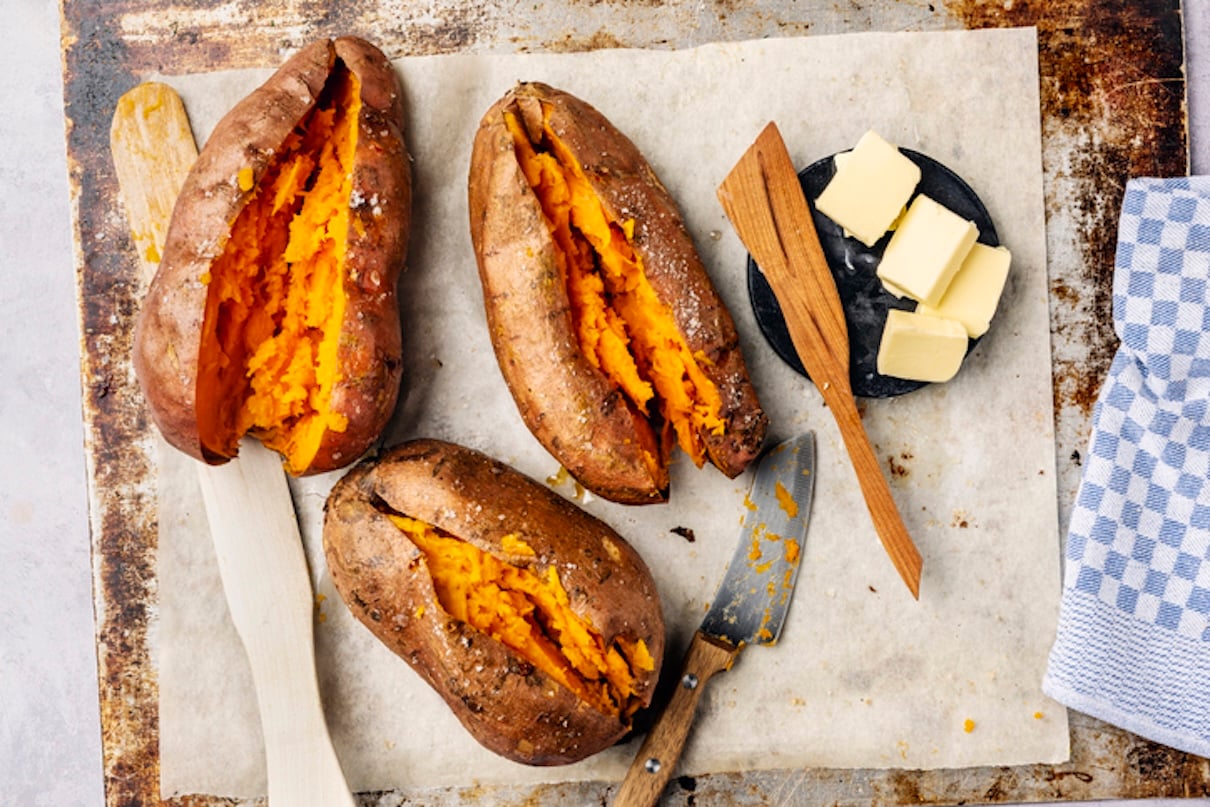
A straightforward, scientifically supported method to create a satisfying meal that benefits your gut tonight and your energy levels tomorrow.
While breakfast often gets the spotlight for fiber intake, dinner is an overlooked opportunity in your daily routine. By incorporating fiber into your evening meal, you can feel full without feeling weighed down, stabilize your blood sugar, and set yourself up for a better day ahead. The beauty of our Fiber-First approach is that it allows you to have a fiber-rich dinner ready in just 20 minutes, without the need for complex recipes.
Why a Fiber-Rich Dinner Matters
Fiber plays a crucial role in slowing down digestion, keeping you satisfied, and preventing late-night snacking. Additionally, it nourishes the beneficial bacteria in your gut, which convert it into compounds that support gut health.
The benefits of a fiber-rich dinner may extend to the following day. Research on the “second-meal effect” suggests that a fiber-packed evening meal can help regulate your blood sugar response at breakfast. Furthermore, studies have shown a link between higher fiber intake and improved, more restful sleep.
The Fiber First Formula
Consider this as a guideline, not a strict recipe. Construct your plate using these four essential components.
1. Start With Plants
Make vegetables the focal point of your plate, comprising half of it. Whether roasted, sautéed, or raw, aim for a variety of two different types for increased fiber and diversity.
2. Add a Fiber-Rich Base
Incorporate a whole grain or legume to make up about a quarter of your plate. Opt for quick-cooking quinoa, pre-cooked lentils, or canned beans to keep meal preparation under 20 minutes.
3. Pair It With Protein
Complete your meal with a protein source such as fish, chicken, tofu, or eggs. Beans and lentils are versatile options that provide both protein and fiber.
4. Finish With a Topper
Enhance your dish with a sprinkle of seeds, nuts, or avocado to introduce healthy fats, texture, and an additional boost of fiber.
Eat Your Fiber First
The order in which you consume your food can impact your health. Research suggests that consuming vegetables before carbohydrates could help mitigate blood sugar spikes following a meal.
What Dinner Foods Are High in Fiber?
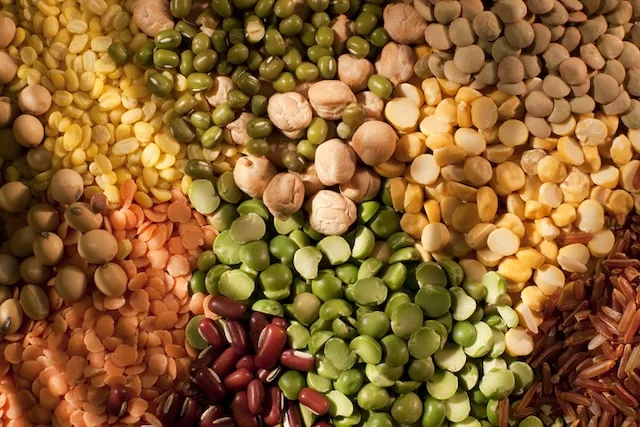
By keeping these items in your pantry, you can always prepare a fiber-rich dinner quickly.
Legumes
Lentils, black beans, and chickpeas are excellent choices, offering approximately 12 to 15 grams of fiber per cooked cup.
Whole Grains
Barley, farro, and quinoa provide around 5 to 6 grams of fiber per cooked cup, along with a satisfying texture.
Vegetables
Artichokes, broccoli, Brussels sprouts, and sweet potatoes (with the skin on) are standout vegetable options.
Seeds and Nuts
Chia seeds, flax seeds, pumpkin seeds, and almonds are simple toppings that contribute to your fiber intake.
FAQs
How much fiber should I aim for at dinner?
The daily recommendation ranges from 25 to 38 grams, so targeting around 8 to 12 grams of fiber at dinner is ideal.
Can a high-fiber dinner cause bloating?
Increasing fiber intake rapidly can lead to bloating. Gradually incorporate fiber into your diet and ensure you stay hydrated to allow your digestive system to adjust.
Is it OK to eat fiber close to bedtime?
For most individuals, consuming fiber before bedtime is acceptable. If you are sensitive, consider finishing your last meal two to three hours before going to bed.
The Takeaway
Crafting a fiber-rich dinner doesn’t have to be time-consuming or require a long list of ingredients. Begin with plants, incorporate a fiber-rich base, pair it with protein, and finish with a nutritious topper. In just 20 minutes, you can create a meal that supports your gut health tonight and promotes stability for the following day.