

The Impact of Your Diet on Nutritional Stress
In today’s fast-paced world, stress is a common factor in many people’s lives. The constant stimulation and distractions of modern life can leave us feeling on edge and overwhelmed. While meditation is often recommended as a way to find peace and quiet the mind, many struggle to reach that state due to racing thoughts and restlessness. What is often overlooked is the significant role that diet plays in our ability to achieve a deep meditative state. Without the right nutrients, our nervous system and brain may prevent us from transcending our physical body, leading to what I refer to as nutritional stress.
The old saying “you are what you eat” holds more truth than we may realize. While we may understand that some foods are better for us than others, we often fail to consider the deeper impact of our eating habits. Eating mindlessly, without awareness of how food affects our bodies beyond taste, reflects a disconnect from the natural world and the origins of our food.
Unlike other species in their natural habitats, humans have lost the intuitive knowledge of what is truly nourishing for our bodies. This disconnect is a unique challenge we face, as no other animal in the wild suffers from chronic illnesses or obesity due to their diet. They instinctively know what to eat, guided by an innate intelligence that supports their thriving. This stark contrast highlights the spiritual disconnection that has taken root in our society.
As Buddha wisely said, “To keep the body in good health is a duty, for otherwise we shall not be able to light the lamp of wisdom, and keep our mind strong and clear.”
How does this relate to our meditation practice? The answer is simple: we are no longer consuming real, nourishing food. Our modern diet is filled with chemically processed products that our bodies do not recognize as food. This leads to a state of physiological stress that keeps us anchored in the primal aspects of our physical selves, hindering our ability to reach deep meditative states.
If we neglect to provide our nervous system with essential nutrients for optimal function and calmness, we risk remaining trapped in reactive, primal ways of living, unable to ascend to higher levels of awareness.
To truly understand the impact of nutrition on our meditation practice, we must first delve into the workings of the brain and nervous system, our interfaces with the world around us.
Our brains are intricate organs, but for the purpose of spirituality, let’s focus on three key parts that shape our experiences and levels of awareness.
The Neocortex
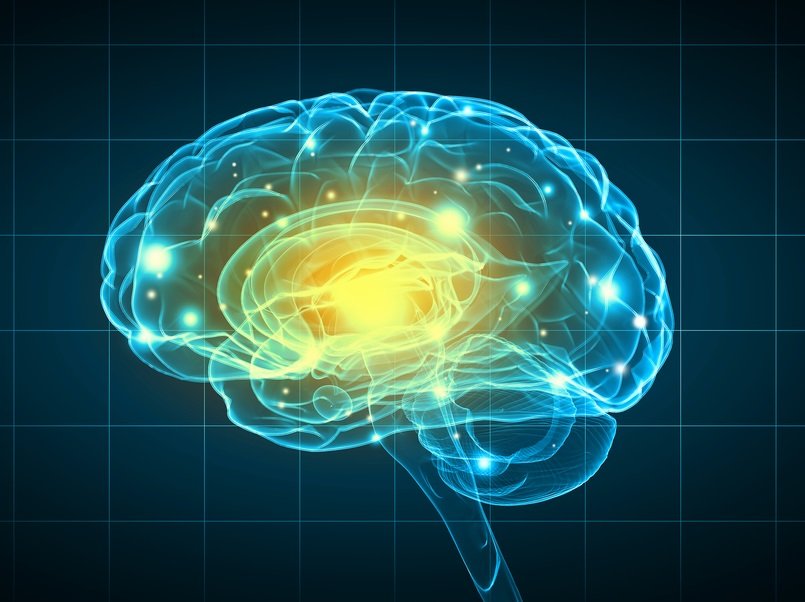
The Neocortex is where enlightenment becomes possible, where we aspire to journey during meditation. It is the center for creativity, learning, envisioning our future, and feeling our interconnectedness with all things.
This region of the brain is wired for experiencing unconditional love, perceiving beauty in the world, and discovering our true selves and place in the universe. It houses the pineal gland, which secretes DMT, the “spirit molecule” that fosters a sense of connection to all living beings.
The Neocortex can be challenging to access in our modern, fast-paced lives fueled by processed convenience foods. Without the necessary nutrients, we may find ourselves operating from more primal brain regions: the Reptilian Brain and the Limbic Brain.
The Reptilian Brain
The Reptilian Brain, the most primitive part of our brain, is solely focused on survival instincts. It regulates vital functions like breathing, heart rate, and fight-or-flight responses. Operating from this brain region may lead to mindless living, self-absorption, resistance to change, and clinging to past experiences associated with safety.
The Limbic Brain
The Limbic Brain, where instinct and emotion intersect, processes environmental cues and categorizes experiences into fundamental programs like fear, feeding, fighting, and fornicating. Processed grains and sugar can heighten activity in this brain region, leading to habitual behaviors and emotional patterns.
Understanding these basic brain systems is key to accessing the Neocortex and experiencing deep meditative states. The path does not lie in trendy diets or supplements but in the wisdom of our ancestors, who lived in harmony with nature and revered the connection between food, spirit, and life.
As Michael Pollan aptly said, “Don’t eat anything your great-great grandmother wouldn’t recognize as food.” Our ancestors viewed food as a sacred offering to nourish the body, allowing them to bridge the gap between primal instincts and higher states of awareness.
Our journey to vibrant health hinges on providing the Neocortex with essential nutrients, especially natural fats like DHA and EPA found in seafood. These fats, along with saturated fats, are vital for nerve function and brain health. By nourishing our nervous system, we can transcend primal instincts and embrace meditative experiences.
In essence, prioritizing omega-3 fats, saturated fats, clean water, magnesium-rich foods, and a plant-based diet can support our nervous system and Neocortex. By avoiding processed foods, stimulants, and artificial additives, we can nurture our bodies and minds for optimal well-being and spiritual growth.
Written by Johnny Foreman

Johnny is dedicated to guiding individuals back to vibrant health through whole food nutrition, herbal medicine, and lifestyle coaching. Empowering others to take control of their health is his passion.