
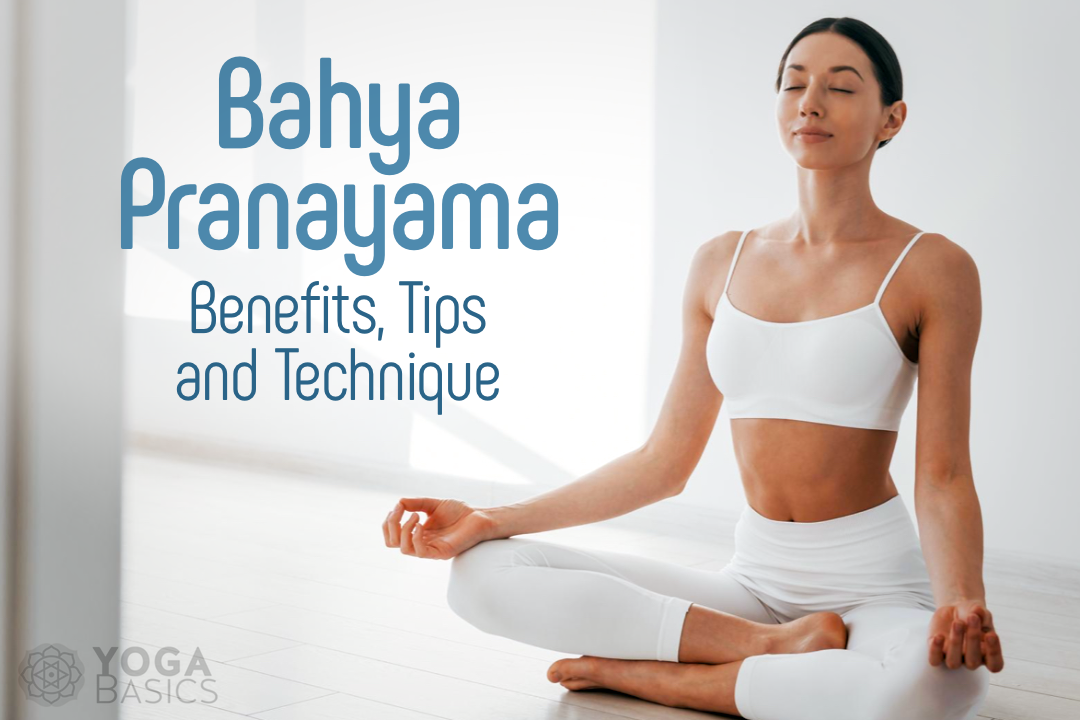
Pranayama, a revered practice in the world of yoga, is a transformative system for controlling the mind, body, and breath. Within this realm of breath mastery, bahya pranayama stands out as one of the most advanced techniques, cherished by yogis as a powerful way to cultivate and control the flow of prana or life force within us. This technique encourages us to cultivate discipline and focus to hold our breath, focus our mind, and control our senses, tapping into our inner strength and trusting ourselves in the face of challenges.
Understanding Bahya Pranayama
Bahya pranayama is an advanced yogic breath control technique that involves exhaling all the air out of your lungs and holding your breath out for a period of time. In Sanskrit, “Bahya” means external or outside, and “Pranayama” means breath control or breath mastery, so we can translate bahya pranayama as “external breath retention mastery.”
Benefits of Bahya Pranayama
Practicing bahya pranayama stimulates and invigorates abdominal organs, enhancing digestion and elimination processes. This promotes a healthier, happier gut, helps heal abdominal and stomach diseases, and strengthens abdominal muscles, leading to increased core strength and stability.
This invigorating and strengthening pranayama enhances concentration, calms an agitated mind to reduce anxiety and stress, boosts pranic energy, and regulates blood pressure, promoting cardiovascular health and overall well-being.
Cautions
Bahya pranayama is a powerful technique that may be challenging for beginners. It is recommended to learn from a qualified yoga teacher and avoid forcing yourself to hold your breath longer than comfortable. This technique is cautioned for hernia patients and women on their menstrual cycle.
While the benefits of bahya pranayama are abundant, it’s important to approach this practice with caution and respect. Seek guidance from a qualified yoga teacher to ensure proper techniques and avoid potential risks.
Avoid practicing bahya pranayama if you have a hernia, recent abdominal surgery recovery, pregnancy, or during your menstrual cycle. It should also be avoided if you have asthma, unmedicated high blood pressure, heart disease, glaucoma, or any other medical conditions that may be aggravated by breath retention.
If you experience discomfort or pain during this practice, stop immediately and seek medical attention. By following safety precautions and contraindications, you can practice bahya pranayama safely and confidently.
Preparing for the Practice
Before starting the practice, create a comfortable and quiet space for concentration. If you don’t have a dedicated meditation or yoga room, you can create a peaceful atmosphere by lighting candles, playing relaxing music, or burning incense.
Warm up the body with simple asanas to prepare for the breathing practice. Poses such as Cat–Cow, Downward Dog, Cobra, and Bridge pose can help warm up the spine and open the chest and lungs. Take deep breaths in each pose, focusing on expanding the chest and inhaling deeply.
Begin with gentle breathing exercises like nadi shodhana, anulom vilom, or bhramari pranayama to balance energy and calm the mind.
Step-by-Step Instructions for Bahya Pranayama
1. Find a Comfortable Seated Position
Support your body with a meditation cushion if needed, choosing a seated posture that promotes stability and openness for a seamless flow of energy.
2. Engage Your Yogic Breath
Focus on slow, deliberate inhales and exhales, feeling the gentle movements of your body with each breath. Settle into a calm and steady rhythm.
3. One Round of Breath of Fire
Practice kapalabhati pranayama for 2-5 minutes, starting with a deep inhale and quick exhales through the nose to pump the belly. If unfamiliar with kapalabhati, practice this pranayama for several weeks before progressing to bahya breathing.
4. Bahya Kumbhaka with Bandhas
After kapalabhati, exhale fully and hold the breath out, engaging mula bandha, uddiyana bandha, and jalandhara bandha to awaken and channel vital energy. Hold the bandhas for 5-10 seconds, observing the sensations and focusing on breath retention.
Release the bandhas gently and return to an upright position.
5. Return to Deep Breathing
Take slow, controlled deep breaths after releasing the bandhas, preparing for additional rounds of kapalabhati pranayama followed by kumbhaka with maha bandha.
6. Repeat
Repeat the process for 4-5 minutes, gradually increasing the duration of kumbhaka with bandhas over time.
7. Relax and Integrate
Conclude the practice with relaxation techniques like Shavasana to allow the body and mind to integrate the practice’s benefits. Find a comfortable position for the body to unwind and rejuvenate, embracing the tranquility and calmness within.
Advanced Practice
For advanced practitioners, consider incorporating agnisar kriya into your bahya pranayama practice between kapalabhati and maha bandha or after maha bandha. This technique stimulates the digestive system, metabolism, and abdominal muscles.
Engage bahya kumbhaka while contracting and releasing the abdomen several times before taking deep breaths to integrate the cleansing action of this technique.
Practice Tips
- Practice bahya pranayama on an empty stomach to avoid discomfort or nausea.
- Avoid forceful exhalations to prevent dizziness or lightheadedness.
- Maintain a relaxed state of mind during the practice to avoid unnecessary tension.
- Gradually increase the duration and intensity of practice over time.
- Wear comfortable clothing for unrestricted breathing.
- Listen to your body, adjust the practice as needed, and seek guidance from a qualified teacher.
Modifications
For beginners, consider modifications like shorter rounds, using support, and focusing on exhalation. Start at a slow pace and gradually increase intensity and duration.
For advanced practitioners, focus on increasing rounds, breath-holding duration, using bhastrika pranayama, and incorporating kevala kumbhaka.
Final Thoughts
Embark on the journey of self-realization with bahya pranayama as your guide. Cultivate strength, courage, calmness, and clarity with each breath, navigating life’s challenges with grace, wisdom, and resilience. Deepen your connection with yourself, nurture inner strength, unlock hidden potential, and experience well-being and inner peace through regular practice.