
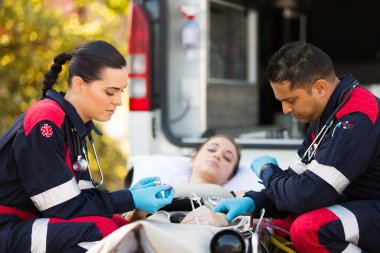
First responders are individuals who are the first to arrive at the scene of an emergency, such as an accident, natural disaster, or violent attack.
They play a crucial role in providing immediate assistance to victims of medical emergencies. Examples of occupations that fall under the category of first responders include law enforcement officers, paramedics, Emergency Medical Technicians (EMTs), and firefighters.
These dedicated professionals often encounter life-threatening situations and witness many distressing moments in the course of their duties.
This article explores some essential mental health tips for first responders.
It is widely known that maintaining good physical health is important, but prioritizing mental health is even more crucial, especially for first responders.
Studies have shown that 85% of first responders frequently experience mental health issues, with depression and PTSD being up to 5 times more common among this group.
Mental health problems can increase the risk of developing serious conditions such as cancer and cardiovascular diseases, as well as premature death.
It is essential for first responders to remain composed and focused at all times.
As a first responder who prioritizes mental health, you can use these simple yet effective strategies to enhance your overall well-being.
1. Ensure an Adequate Amount of Sleep
Quality sleep not only impacts physical health but also mental well-being.
Like everyone else, first responders are more susceptible to mental health issues if they do not get enough sleep.
It is important to maintain a consistent sleep schedule, aiming for 7-8 hours of sleep each night.
2. Establish Firm Work-Life Boundaries
First responders often find it challenging to separate work from their personal lives.
Setting clear boundaries between work and home life is crucial for their mental health and well-being.
Doing so can prevent burnout and ensure they are able to continue their roles effectively and with compassion.
3. Engage in Regular Exercise
The stress of being a first responder can be overwhelming. Regular exercise can serve as a stress reliever, helping to clear the mind and reduce the risk of anxiety and depression.
It is a simple yet powerful way to maintain both physical and mental health.
4. Prioritize Mindfulness and Meditation
Given the high-pressure environment in which first responders operate, finding moments of calm can be challenging.
Practicing mindfulness and meditation can provide a mental break, allowing them to reset and refocus, which is essential for maintaining mental clarity amidst constant stress.
5. Manage Workloads Effectively
The nature of work as a first responder can involve long hours and heavy workloads.
It is important to effectively manage these workloads and take regular breaks to prevent stress from accumulating to unmanageable levels.
6. Cultivate Resilience
Resilience is a crucial trait for first responders, who often encounter challenging and traumatic situations.
Developing resilience can help them better cope with and recover from the stresses of their job, which is vital for their long-term mental health and career sustainability.
7. Seek Professional Support
For first responders, exposure to traumatic events is not uncommon but rather a regular part of their job.
They are on the front lines during crises, witnessing human suffering and life-threatening situations that can have a lasting impact on their mental well-being.
Professional support, such as therapy or counseling, offers a confidential and safe space for first responders to process these experiences.
In a profession that values mental toughness, seeking help when needed is a sign of strength.
Final Thoughts
While dedicating yourself to serving others, it is essential to prioritize your own well-being, especially your mental health. Remember to care for yourself first and foremost. Hopefully, the tips outlined in this article will assist you in maintaining your mental well-being.
Please follow and like us: