
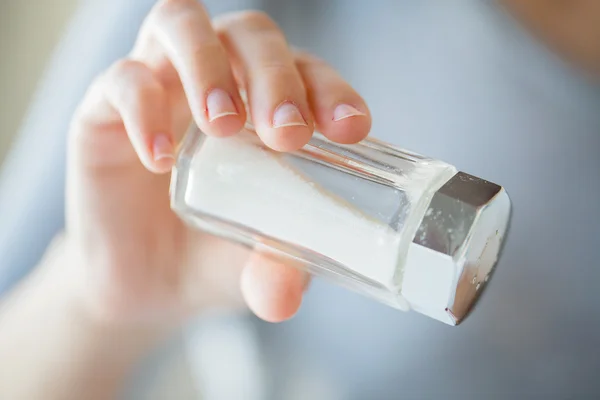
Do you find yourself constantly craving potato chips, pickles, and salty snacks? While this may seem harmless to many, excessive salt intake can be dangerous for your health. Salt is essential for fluid retention and proper bodily functions, but too much of it can cause more harm than good, leading to potential long-term damage.
Excessive salt consumption can lead to immediate symptoms such as swollen hands or feet, increased thirst, and headaches. In the long run, it can adversely affect vital organs in your body, causing severe harm.
Here are some of the damages that salt cravings can cause to your body:
- Brain – Impedes blood flow to the brain, leading to cognitive and thinking problems.
- Heart – Increases the risk of an enlarged heart and puts extra strain on it to circulate blood effectively.
- Kidneys – Forces the kidneys to work harder, potentially leading to malfunction and kidney breakdown.
- Blood vessels – Stiffens endothelial cells lining blood vessels, reducing blood flow efficiency.
Given these consequences, it’s clear that excessive salt intake is harmful. Most people consume at least 1.5 teaspoons of salt per day, far more than the body needs (2300 mg of sodium per day).
If you struggle with salt cravings, here are seven healthy ways to curb them:
7 Healthy Ways to Curb Salt Cravings
Salt has an addictive taste that our brains and bodies crave, but there are various reasons why people may crave salt, such as electrolyte imbalance, dehydration, stress, pregnancy, and certain medical conditions.
If you want to reduce your salt intake, here are some tips to help you:
1. Gradually reduce your intake:
Start by keeping a food diary to track your current salt consumption and gradually reduce the salt in your recipes. Opt for products labeled “low sodium” or “no salt added.”
2. Eat whole meals:
Opt for whole meals over processed snacks to reduce sodium intake and promote overall health.
3. Make a meal plan and cook at home:
Create a meal plan to control your food intake and cook at home to monitor salt usage.
4. Know your salt intake limit:
Be aware of your salt intake limit (2300 mg per day) and opt for natural spices and herbs instead of saltier processed foods.
5. Exercise regularly:
Combat stress-related salt cravings by engaging in regular exercise and adequate rest.
6. Try herbs and spices:
Use herbs and spices to flavor your dishes without adding extra sodium.
7. Hydrate regularly:
Stay hydrated to maintain electrolyte balance and reduce salt cravings.
8. Chew gum:
Chewing gum can help distract you from salt cravings and reduce the urge to consume salty foods.
1. Keep your mouth busy with sugar-free gum to reduce the urge to snack on salty foods.
2. Carry gum with you to reach for whenever a craving hits, whether at work, home, or on the go.
3. Experiment with different flavors of gum to find ones that effectively curb your cravings.
4. Use chewing gum as a mindfulness exercise to focus on the sensation and flavor, distracting from cravings.
5. Choose healthier salty snacks to satisfy cravings without overloading on sodium or unhealthy ingredients.
6. Some examples of healthy salty snacks include macadamia nuts, deviled eggs, and roasted salted chickpeas.
7. Get social to combat boredom, a leading cause of salt cravings, by joining a health club or community exercise team.
8. Opt for restaurants that serve whole meals cooked from scratch to avoid pre-made meals processed with salt.
9. Gradually implement these tips to curb salt cravings and maintain a healthy meal feeding schedule. Please rewrite the following sentence so it is more clear:
“The company’s performance was not up to par with industry standards.”
“The company did not meet industry standards in terms of performance.”