

We all desire a longer life. The challenge lies in determining how to eat in a manner that is not only healthy but also sustainable for the years to come. Longevity is not achieved solely through trendy drinks or extreme diets; rather, it thrives on simple habits that can become second nature. This is why the DASH diet stands out as a highly recommended eating pattern by health professionals. It is adaptable, low-key, and supported by extensive research showcasing its ability to safeguard various aspects of your health as you age.
If you’re unfamiliar with the regimen, continue reading to explore the specifics of the DASH diet and its major advantages.
What Is The Dash Diet?
Officially known as Dietary Approaches to Stop Hypertension, the DASH diet is renowned for its evidence-based approach to lowering high blood pressure. However, you do not need a hypertension diagnosis to benefit from this dietary plan. “It is also correlated with reduced risks of heart disease, stroke, type 2 diabetes, and kidney stones, while promoting healthy cholesterol levels, blood sugar control, and weight management,” explains Michelle Routhenstein, MS, RD, CDCES, CDN, a preventive cardiology dietitian at Entirely Nourished.
Aside from its heart and metabolic perks, the DASH diet also shows promise in enhancing brain health as you age. Recent research published in JAMA Neurology indicates that adults in middle age who followed the DASH diet experienced a 41% lower risk of cognitive decline compared to those following other diets. According to Routhenstein, the brain benefits are likely attributed to vascular protection and metabolic advantages that ultimately support cognitive function.
What To Eat (And Avoid) On The Dash Diet

The DASH diet closely aligns with general recommendations for a healthy eating plan. It emphasizes a variety of whole, nutrient-rich foods rather than strict limitations.
Key foods to include in the DASH diet:
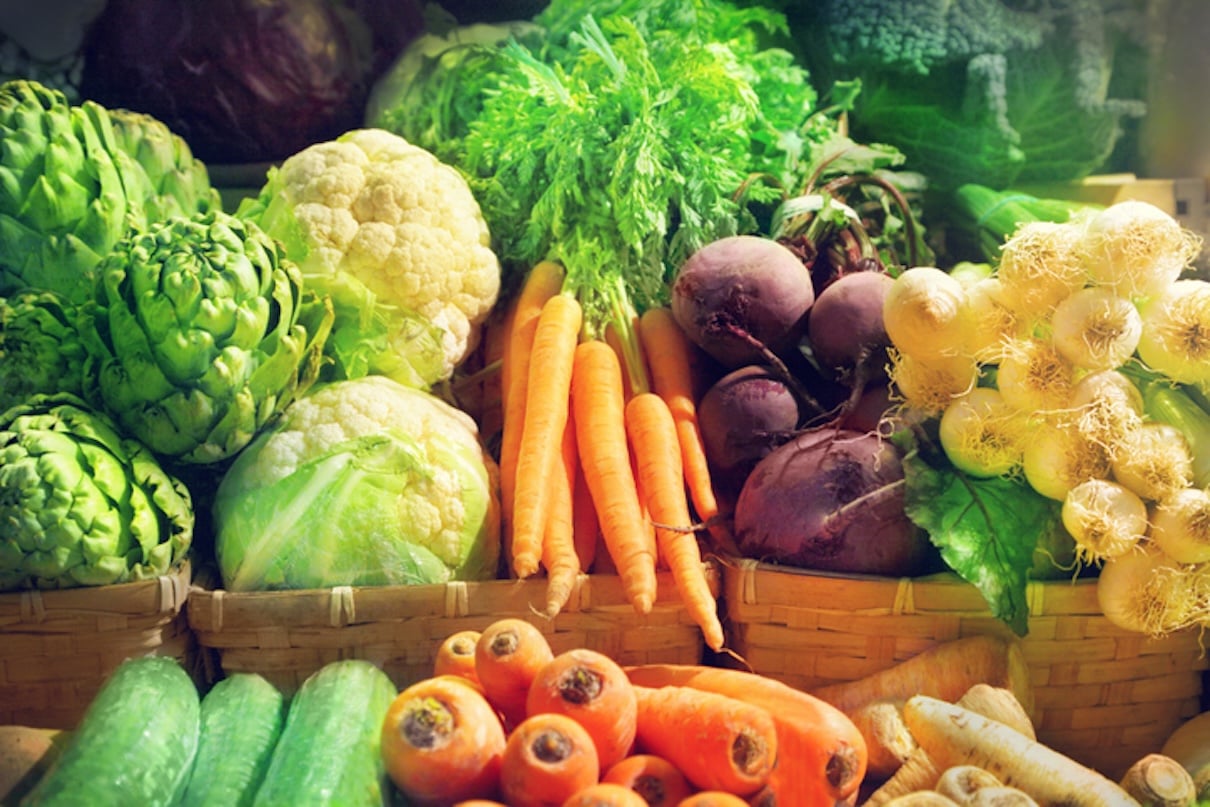
- Fruits and vegetables
- Whole grains
- Low-fat or fat-free dairy
- Poultry
- Fish
- Beans
- Nuts and seeds
These foods are packed with nutrients known to help lower blood pressure, including protein, fiber, potassium, magnesium, and calcium.
On the flip side, foods to restrict or avoid are those linked to high blood pressure and elevated LDL cholesterol levels (the ‘bad’ cholesterol). These include:
- Full-fat dairy
- Fatty meats
- Sugary beverages
- Sweets
- Excessive sodium (over 2,300 mg)
Additional Benefits Of The Dash Diet
Beyond its association with reduced mortality and healthy aging, the DASH diet stands out for its flexibility and ease of adoption. Routhenstein notes, “The DASH principles can be adapted to different cultural preferences, budgets, and lifestyles, focusing not only on restrictions but also on meeting nutrient targets essential for optimal vascular health. You can customize your food choices based on availability, personal preferences, and dietary restrictions to make the diet suitable for you.”
Its adaptability and simplicity are key factors in making the diet accessible and sustainable in the long run.
Should You Try The Dash Diet Yourself?
Individuals with high or borderline high blood pressure, a family history of cardiovascular disease, type 2 diabetes, high cholesterol, or kidney disease are ideal candidates for the DASH diet, according to Routhenstein. However, even if you do not fall into these categories, you can still benefit from the DASH diet. “Most individuals can improve their overall cardiometabolic health through the DASH diet,” she explains, emphasizing its positive impact on brain health as well.
Given that heart disease is a leading cause of mortality in the U.S. and dementia affects quality of life, interventions like the DASH diet can significantly reduce your risk and positively influence the aging process.
What’s particularly appealing is that following the DASH diet does not require major adjustments. It does not involve exotic foods or complex ingredients. Simply focus on whole foods, emphasize plant-based options, and choose lean protein. (Remember to limit saturated fats, added sugars, and excessive sodium regardless of your health status.)
The Takeaway
In conclusion, the DASH diet is a highly accessible eating pattern associated with healthy aging and reduced disease risk, making it a valuable option for those aiming to enhance longevity.
To start incorporating the DASH diet into your routine, Routhenstein recommends making gradual changes, such as adding more fruits or vegetables daily, cutting back on sugary treats, or swapping soda for sparkling water. “Consistency over the long term, not perfection, is key to making lasting improvements,” she advises.