
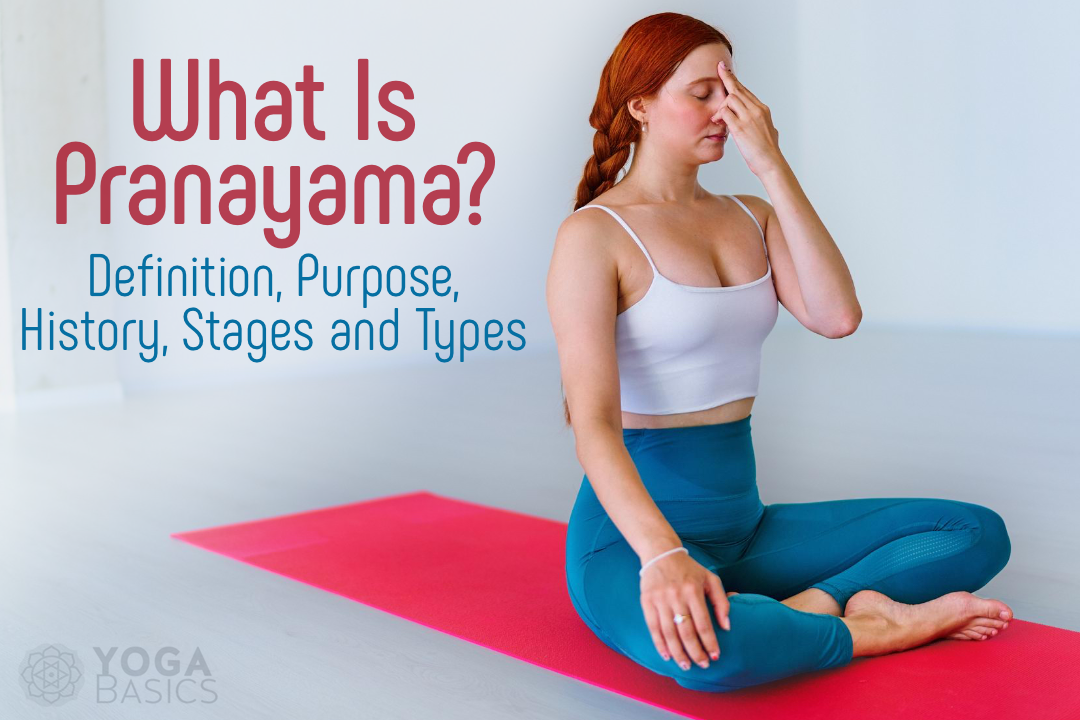
Although pranayama or yogic breathing plays a significant role in tantra and hatha yoga, it is not given much emphasis in modern yoga classes. The popularity of western yoga classes stems from their focus on physical postures and fitness, making breath control practices take a backseat to make yoga more accessible. However, neglecting this essential component of yogic practice may hinder one’s ability to deepen their spiritual awareness and fully experience the transformative power of yoga.
The Meaning of Pranayama
The Sanskrit term pranayama consists of two parts. “Prana” means breath, vigor, energy, power, vital energy, or life force. Prana represents the subtle energy that flows through the body in energy channels called nadis. “Yama” translates to control, restraint, regulation, or discipline.
Therefore, pranayama is often defined as breath control or the regulation of life force energy. A more comprehensive explanation would be: Pranayama encompasses various yogic breathing practices aimed at influencing the flow of prana in the body to enhance physical, mental, emotional, and spiritual well-being.
The Purpose of Pranayama
Pranayama serves as a powerful tool to bring balance and harmony to the body, heart, and mind. By focusing on the flow and rhythm of the breath, one can train the mind to be more present and self-aware. Conscious deep breathing also acts as a vital link between the mind, body, and spirit, bridging the gap between our conscious and subconscious realms.
Engaging in pranayama can enhance overall yoga practice by increasing prana life force energy, improving focus, fostering vitality, awakening the chakras, promoting inner peace, stabilizing emotions, aiding detoxification, enhancing lung capacity, optimizing respiratory function, and establishing a deeper connection with oneself. As one of the eight limbs of yoga according to Patanjali, pranayama holds significance in spiritual development and serves as a fundamental practice in achieving Samadhi or enlightenment.
The History of Pranayama
Pranayama’s origins date back thousands of years to ancient India, where sages and yogis practiced it for enlightenment and self-realization. Over time, these techniques evolved and were passed down through generations of yogis and teachers, each contributing unique insights and refinements to the practice.
Through dedicated observation and experimentation, they discovered that by regulating and manipulating the breath, one could experience profound physical, mental, and spiritual benefits. This knowledge was documented and further developed in ancient yogic texts, which stand as a testament to the profound wisdom and insights of the ancient Indian yogic tradition.
References to pranayama can be found in various ancient texts, including the Yoga Sutras of Patanjali, the Hatha Yoga Pradipika, Bhagavad Gita, Shiva Samhita, and Upanishads. These texts underscore the importance of pranayama in the history and evolution of yoga.
- The Upanishads: Philosophical texts dating back to 800–500 BCE that explore the metaphysical concept of prana and highlight breathing as a means to influence one’s pranic energies. Various Upanishads discuss the significance of breath in sustaining life, connecting living beings, controlling the senses, stabilizing the mind, and achieving higher states of consciousness and spiritual awakening.
- The Bhagavad Gita: A scripture emphasizing duty, righteousness, and spirituality from around the 2nd century BCE. Chapter 4, Verse 29 discusses different yogic practices, including breath control techniques involving the regulation of life forces through controlled breathing.
- Patanjali’s Yoga Sutras: Texts from around 200 CE that detail techniques for breath control essential for stabilizing the mind and preparing it for deeper meditation states (Dhyana). The Yoga Sutras explain how pranayama helps in removing obstacles to knowledge and aids in attaining higher states of consciousness. Several sutras elaborate on the processes and effects of pranayama, emphasizing the importance of mastering breath for progress in the yogic path.
- Shiva Samhita: A classical hatha yoga text from the 17th century CE providing detailed instructions on various breathing techniques aimed at balancing pranic energy within the body and achieving elevated states of consciousness.
- Gheranda Samhita: Another classical hatha yoga text from the 17th century CE that delves deeper into the practice of pranayama. It outlines breathing exercises known as kumbhakas, which purify the energy channels and awaken spiritual energy within the practitioner.
Over time, different yoga schools developed unique approaches to pranayama, each focusing on different aspects of concentration, control, and energy manipulation. Some emphasize slow, deep breathing to calm the mind and reduce stress, while others highlight rapid, forceful breathing to energize the body and stimulate the nervous system. Certain yoga styles teach a single technique, while others introduce multiple breathing exercises to students.
The Four Components of Yogic Breathing
 Pranayama techniques are outlined with four distinct parts, each essential for understanding and mastering the subtleties of every technique. Proficiency in these stages enhances mindfulness, mental focus, and breath control.
1. Puraka (Inhalation)
Puraka involves a gentle, controlled inhalation that brings oxygen and prana (life energy) into the body. Correct practice of puraka entails silent, effortless breathing that naturally expands the diaphragm and chest to maximize energy intake without strain. Longer inhalation durations create an energizing, invigorating effect on the body and mind.
2. Antara Kumbhaka (Pause After Inhalation)
Antara Kumbhaka is the retention of breath after inhalation. Beginners start with a brief pause of 1-2 seconds, holding the breath comfortably without strain. This stage encourages stillness, silence, and introspection. Advanced practitioners can gradually increase breath-holding durations to enhance lung capacity and respiratory strength, combining longer holds with bandhas for prana control and direction.
3. Rechaka (Exhalation)
Rechaka involves controlled exhalation following breath retention. Focus on releasing the breath slowly and steadily for a complete expulsion of air from the lungs. Longer exhalation durations calm the mind, promote relaxation, and enhance mental clarity.
4. Bhaya Khumbaka (Pause After Exhalation)
Bhaya Kumbhaka is breath retention after exhalation. Beginners start with a brief pause of 1-2 seconds, enhancing mental focus, prana flow balance, and lung capacity. This stage cultivates a sense of emptiness, inner peace, and stillness as the body readies for the next inhalation. Advanced practitioners can extend breath holds after exhalation, strengthening respiratory capacity and pranic control through bandha integration.
Types of Pranayama Practices
A variety of yogic breathing exercises offer unique breathing patterns, benefits, and opportunities for inner exploration and growth. These practices are categorized based on difficulty level and their effects on the subtle body and mind.
The Four Stages of Pranayama
Understanding the four stages of pranayama provides a framework for deepening and advancing your practice. Each phase presents its own challenges and insights, guiding you towards profound transformation on your yoga journey. It is crucial to master the basics of each stage before progressing to more advanced levels.
1. Beginners Stage: Arambha Avastha
The initial phase focuses on establishing a foundation for the practice, emphasizing understanding basic breathing techniques. With guidance and mindful practice, you learn proper diaphragmatic breathing and address any dysfunctional breathing patterns. This stage may take up to a year to fully incorporate yogic breathing, depending on your dedication and consistency. Patience and persistence are key during this foundational phase, setting the tone for subsequent pranayama stages.
2. Intermediate Stage: Ghata Avastha
Advancing beyond the beginner stage, you start to feel the subtle effects of prana on your body, emotions, and thoughts. Conscious, deep breathing becomes a part of daily life, promoting presence, calmness, and grounding. This stage involves refining breath control, expanding lung capacity, and developing inner awareness and concentration. You explore more advanced techniques and introduce breath retention (Kumbhaka) with guidance from a knowledgeable teacher for safe and effective progress.
3. Advanced Stage: Parichaya Avastha
In the advanced stage, you delve deeper into the subtle aspects of breath, prana, chakras, and energy flow through nadis. Practicing with heightened sensitivity and refinement allows you to harness pranayama’s power to purify the body, balance the mind, and awaken spiritual energy.
4. Mastery Stage: Nishpattya Avastha
The pinnacle of pranayama practice, mastery stage, signifies attaining control over subtle energies within and transcending physical limitations. At this stage, breath serves as a vehicle for transcending the ego and connecting with divine awareness. Spiritual awakening unfolds as worldly desires no longer dictate actions, achieved through dedicated yoga practice.
Final Thoughts
A consistent pranayama practice has the potential to enhance every aspect of our being—physically, mentally, emotionally, and spiritually. Whether integrated into a yoga class or practiced independently, the benefits of mindful breathing are vast. Mastering the four components of breath and progressing through the four stages of pranayama requires dedication, patience, and consistency. With commitment and enthusiasm, profound transformation awaits as you embark on this transformative journey through yogic breathing.