
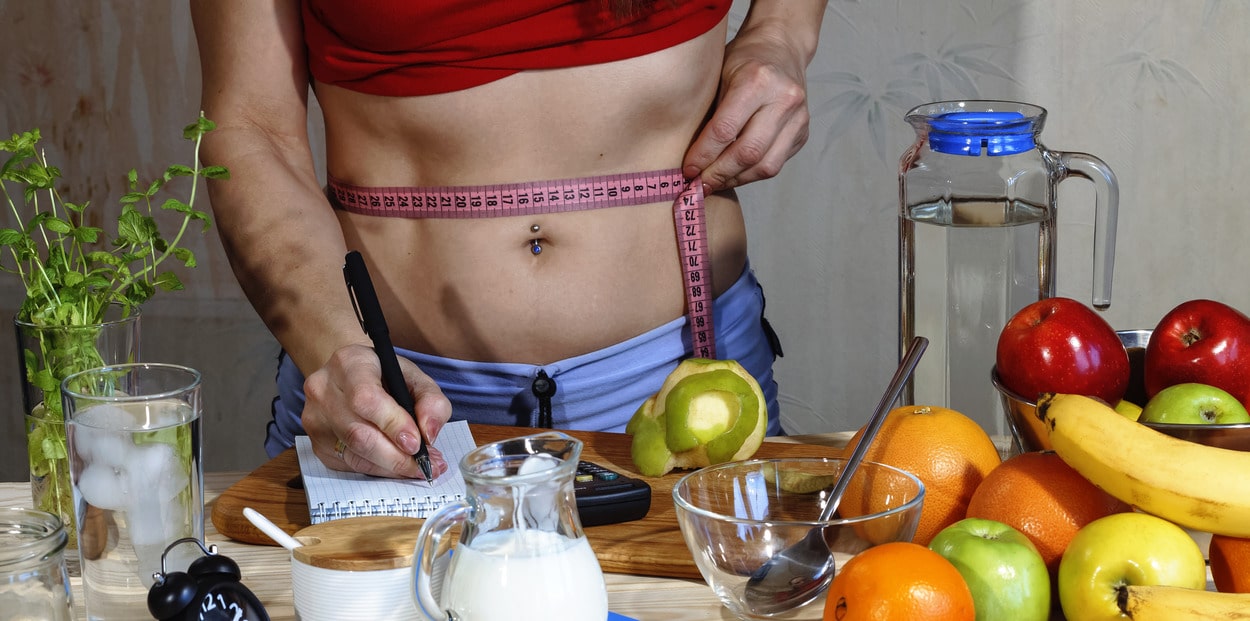
Is it feasible to lose 10kg in just 15 days? While it may sound appealing, the question remains: is it a healthy and sustainable goal? Rapid weight loss, especially through extreme measures, can have detrimental effects on your health in the long run.
Our society often emphasizes image and appearance, setting unrealistic beauty standards. When it comes to weight loss, it’s essential to opt for healthy and safe methods. However, striving to shed 10kg in a mere 15 days is not only unrealistic but also unsafe. Quick weight loss is often linked to severe health risks like nutrient deficiencies, dehydration, and muscle loss. Therefore, it’s crucial to approach weight loss in a healthy and sustainable manner to avoid adverse consequences and achieve long-term success.
Nutritionists and health experts recommend a balanced diet and exercise routine as the key to healthy weight loss. While it’s possible to shed a few kilograms in a healthy way, aiming for a 10kg weight loss in just 15 days is nearly impossible and would require extreme measures.
This article delves into the concept of weight loss through a consistent diet plan. The goal is to enhance overall lifestyle and incorporate exercise to prevent unhealthy weight gain.
10 Kg Weight Loss in 15 Days: Side Effects and How to Manage Them
Dropping 10kg in 15 days is a short-term strategy that focuses on restrictive and low-calorie intake. However, most individuals regain the lost weight once they resume normal eating habits. On the contrary, there are more sustainable long-term solutions that can help you lose 10kg in 3-4 months in healthy adults.
Most Common Side Effects of Crash Dieting
Hunger and Cravings
Reducing calorie intake or going long periods without consuming enough calories can intensify hunger. It’s common for people to experience hunger during the initial days of a diet regimen. Prolonged crash dieting can lead to irritability, mood swings, and even depression. A healthy eating pattern with balanced meals, hydration, and low-calorie, high-fiber foods can help manage extreme hunger.
Hydration and consumption of low-calorie, high-fiber foods are crucial for satiety.
Headaches and Lightheadedness
Research suggests that headaches may occur during the initial phase of a crash diet plan. Low blood sugar and caffeine withdrawal can also trigger headaches during prolonged calorie restriction. Staying hydrated and gradually reducing caffeine intake can help alleviate this issue.
Digestive Issues
Crash dieting can result in digestive problems like constipation, diarrhea, nausea, and bloating. These symptoms are often due to dietary changes, reduced food intake, and dehydration. Consuming fiber-rich foods and maintaining hydration can help prevent these side effects.
Dehydration
Quick diets can lead to dehydration as the body undergoes diuresis and natriuresis during fasting. Diuresis and natriuresis involve increased urine and sodium excretion, respectively. To prevent dehydration, it’s essential to drink water throughout the day and monitor urine color.
Lack of Energy and Fatigue
During the initial stages of crash dieting, the body may expel significant amounts of salt and water through urine, leading to reduced calorie intake, dehydration, low sodium levels, and fatigue. To combat fatigue, focus on nutrient-dense foods, adequate hydration, and sufficient rest.
Malnutrition
Inadequate dieting can result in malnutrition, especially when the body doesn’t receive sufficient nutrients due to prolonged fasting. It’s crucial to consume a well-rounded, nutritious diet and seek guidance from a dietitian on calorie intake and nutrient requirements.
Summary
Crash dieting can lead to various side effects like hunger, headaches, digestive issues, dehydration, lack of energy, and malnutrition. However, these symptoms can be mitigated by consuming a balanced, nutritious diet and staying hydrated. Consulting a dietitian for personalized guidance is essential.
15-Days Weight Loss Challenge Guide: Effective Ways
While quick weight loss may seem appealing, it’s crucial to approach it cautiously and prioritize health and safety. Aim to lose no more than 2-3 kgs in 15 days by following these general guidelines:
Create a Calorie Deficit
Regulating calorie intake and burning more calories than you consume is vital for weight loss. Focus on reducing daily caloric intake and increasing physical activity. However, listen to your body and avoid excessive physical exertion if you feel fatigued.
Follow a Balanced and Nutritious Diet
Opt for whole, nutrient-dense foods such as lean proteins, vegetables, fruits, whole grains, and healthy fats. Avoid sugary foods, unhealthy fats, and empty calories, as eating the right foods is just as important as eating less.
Control Portion Size
Be mindful of portion sizes and avoid overeating. Consuming smaller, balanced meals throughout the day can help manage hunger and prevent excessive calorie intake.
Stay Hydrated
Maintaining adequate hydration is essential for weight loss. Drink plenty of water throughout the day to promote satiety and boost metabolism.
Increase Physical Activity
Incorporate exercise into your routine to burn more calories and enhance metabolism. Include cardiovascular exercises like brisk walking, cycling, or swimming, and strength training like weight lifting or bodyweight exercises to build muscle and increase calorie burn.
Limit Processed and High-calorie Foods
Avoid or minimize consumption of processed and high-calorie foods like sugary beverages, desserts, fast food, and snacks, as they can contribute to weight gain.
Get Adequate Sleep
Adequate sleep is crucial for weight management, as it helps regulate hunger hormones and promote overall well-being.
Seek Professional Guidance
If you’re considering a weight loss plan, consult with a nutritionist to ensure the diet is safe and tailored to your health needs and circumstances.
Summary
Remember, sustainable weight loss requires time and effort. Prioritize your health and well-being, and aim for gradual and healthy weight loss goals rather than rapid, unsustainable methods.
Choose a “Doable” Diet: The One that Works for You
It’s essential to select a healthy diet plan that suits your lifestyle. While crash diets may promise quick weight loss, they often come with severe hunger, headaches, and fatigue. Opt for a diet that includes salads, soups, fruits, vegetables, nuts, lean proteins, and complex carbs. Aim to lose 10kg over 3-5 months and make lifestyle changes to sustain the progress.
Lifestyle Changes To Lose Weight Healthily
Smart Snacking
Healthy snacking plays a vital role in weight loss by preventing overeating during meals. Opt for low-calorie, nutrient-rich snacks like fruits, vegetables, nuts, yoghurt, veggie chips, and green tea to keep you satisfied between meals.
Choose Sustainable Diets Over Quick Diets
Quick diets offer short-term solutions for weight loss but are not sustainable in the long run. Stick to a diet plan that focuses on whole, nutritious foods and limits refined sugar to achieve lasting results. Consult a nutritionist for personalized guidance.
Do Not Consume Alcohol
Avoiding alcohol during a weight loss journey is advisable, as it can contribute to weight gain and disrupt glucose balance in the body.
Include Regular Exercise
Start with light stretching and yoga to kickstart your weight loss journey and gradually progress to strength training and more intense workouts to build stamina.
Drinking Water with Rehydration Salts
Staying hydrated is crucial for weight loss, so ensure you drink enough water throughout the day. Consider adding rehydration salts to your water when needed to maintain electrolyte balance.
Summary
While a crash diet can lead to rapid weight loss, it’s not a sustainable approach and may pose health risks. Opt for a doable diet plan, reduce refined sugar, snack smart, exercise regularly, and stay hydrated to achieve your weight loss goals effectively and healthily. Always consult a healthcare professional before embarking on any drastic weight loss plan.
Healthy Recipes for Healthy Weight Loss
Here are three healthy recipes to incorporate into your weight loss journey:
Oats Idli
Calorie Value of Oats Idli- 30 Kcal
Ingredients
- Oats: 1 cup
- Semolina (rava): 1 cup
- Plain yogurt: 1 cup
- Grated carrot: 1
- Chopped coriander: 1/2 cup
- Ginger paste: 1 tsp
- Mustard seeds: 1 tsp
- Cumin seeds: 1 tsp
- Baking soda: 1 tsp
- Salt to taste
Method of Preparation
- Mix oats, semolina, yoghurt, and grated carrot in a bowl.
- Add water and mix to form a batter.
- Allow it to rest for 10-15 minutes.
- Temper mustard seeds, cumin seeds, ginger paste, and coriander in hot oil.
- Add the tempering to the batter, along with salt and baking soda.
- Pour the batter into greased idli moulds and steam for 15-20 minutes.
- Serve hot with chutney.
Moong Dal Chilla
Calorie Value of Moong Dal Chilla- 128 Kcal
Ingredients
- Moong dal: 1 cup
- Onion, finely chopped: 1 cup
- Green chilli, finely chopped: 1
- Ginger paste: 1 tsp
- Cumin powder: 1 tsp
- Salt to taste
- Oil: 1 tsp
Method of Preparation
- Soak moong dal for 2-3 hours and grind into a paste.
- Add onion, green chilli, ginger paste, cumin powder, and salt to the paste and mix well.
- Spread oil on a heated non-stick pan and pour a ladleful of batter.
- Cook on both sides until golden brown.
Vegetable Upma
Calorie Value of Small Bowl Of Upma- 130 Kcal
Ingredients
- Semolina (rava/sooji): 1 cup
- Onion, finely chopped: 1
- Tomato, finely chopped: 1
- Carrot, finely chopped: 1
- Green peas: 1/2 cup
- Green chilli, finely chopped: 1
- Mustard seeds: 1 tsp
- Urad dal: 1 tsp
- Oil: 1 tbsp
- Salt to taste
Method of Preparation
- Heat oil in a pan and add mustard seeds and urad dal.
- Once they splutter, add onion, green chilli, and sauté.
- Add tomato, carrot, and green peas, and cook.
- Add water, salt, semolina, and cook until water is absorbed.
- Cover and cook for 5-7 minutes.
Other Healthy Food Items for a Weight Loss Diet
Masala Oats
Cook oats with vegetables and spices like turmeric, red chilli powder, and cumin for a nutritious breakfast option. Each serving contains approximately 150 Kcal.
Vegetable Dalia
Dalia, a high-fiber and protein-rich broken wheat, can be enhanced with vegetables like carrots, peas, and beans for a filling meal. Add grated paneer for extra nutrition.
Sprout Salad
A salad comprising sprouts, vegetables, and a splash of lemon juice is a low-calorie, nutrient-rich meal option.
Egg Bhurji
Scrambled eggs made with minimal oil and spices offer a healthy and protein-rich meal choice.
Masala Grilled Fish
Marinate fish with spices and grill instead of frying for a healthier, flavorful dish.
HealthifyMe Suggestion
While a short-term crash diet may be safe under professional guidance, prolonged adherence without supervision can lead to health complications. Remember that rapid weight loss isn’t sustainable, and the lost weight may return once normal eating habits resume. Prioritize long-term, sustainable solutions for weight loss.
The Final Word
Achieving weight loss goals requires a balanced approach with dietary and lifestyle modifications. Opt for a healthy diet and exercise routine that is sustainable in the long term. Avoid quick-fix diets that may result in nutritional deficiencies and side effects. Choose a manageable diet plan, reduce refined sugar, stay hydrated, and prioritize rest to achieve your weight loss objectives effectively and healthily. Always prioritize health and safety above all.
Disclaimer: This article aims to provide information and raise awareness. It does not substitute professional medical advice.
Frequently Asked Questions (FAQs)
Q. Is it safe to lose 10 kg of weight in just 15 days?
Attempting to shed 10 kg in 15 days is a risky endeavor. Rapid weight loss can lead to muscle loss, nutrient deficiencies, and other health complications like fatigue and dehydration. It’s highly discouraged to pursue such extreme weight loss goals.
Q. What type of diet should I follow for this weight loss goal?
When aiming for weight loss, opt for a balanced diet comprising fruits, vegetables, lean proteins, and whole grains. Avoid crash diets that severely restrict calories or food groups.
Q. How many calories should I consume per day for this diet plan?
Your daily calorie intake for weight loss depends on various factors like age, sex, weight, height, and activity levels. A safe weight loss rate is around 0.5-1 kg per week, requiring a calorie deficit of 500-1000 calories per day. Consult a professional to determine your specific calorie needs.