
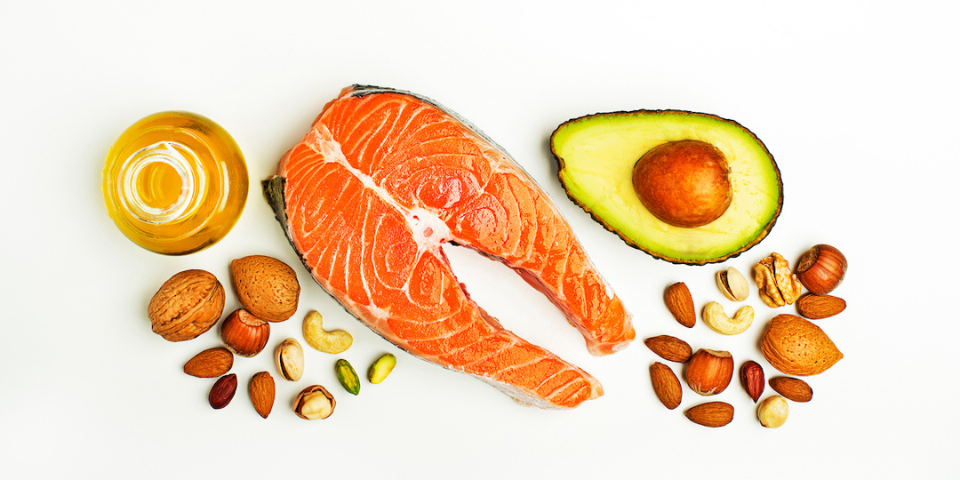
With our increased knowledge as consumers, we have progressed from the era of demonizing fat in the realm of nutrition. We now understand the importance of fat in a balanced diet and the benefits of fatty acids like omega-3s for our health.
But what exactly are fatty acids, and how do they differ from fat? What makes them beneficial for us? Here’s what you should be aware of.
Understanding Fatty Acids
Fatty acids are carboxylic acids made up of carbon and hydrogen atoms, serving as the foundational components of fat. They play a role in supporting cell membranes, storing long-term fuel, and facilitating hormonal and metabolic signaling.
According to Brittany Linn, RD, CDN, owner of B. Linn Nutrition in New York City, fatty acids can be either saturated or unsaturated based on their chemical structure.
Saturated fat is derived from animal products like meat, eggs, and cream, as well as certain plant-based oils. Due to the belief that saturated fats have a negative impact on heart health, the American Heart Association suggests limiting saturated fat intake to about five percent of your total daily calories.
Monounsaturated fatty acids (MUFA) and polyunsaturated fatty acids (PUFA), on the other hand, are commonly referred to as “healthy fats” and are thought to have positive effects on overall health.
While there are over 20 types of fatty acids present in foods, omega-3, omega-6, and omega-9 fatty acids receive the most attention for their health benefits.
Types of Fatty Acids and Their Advantages

There are three main types of unsaturated fatty acids: omega-3, omega-6, and omega-9 fatty acids. The numerical designation in each name indicates the location of the double bond on the fatty acid chain, as explained by Linn. (No need to worry, we won’t delve into a chemistry lesson.)
Omega-9 fatty acids are a type of MUFA. Omega-3 and omega-6 fatty acids fall under the category of PUFAs, both considered essential components of a healthy diet.
Omega-3 and omega-6 fatty acids are deemed “essential” because our bodies are unable to produce them, necessitating their consumption from dietary sources. Omega-9s, on the other hand, are nonessential as our bodies can synthesize them internally.
Here’s a breakdown of each type of fatty acid.
Omega-3 Fatty Acids
Primarily sourced from plants and fish, omega-3 fatty acids are polyunsaturated. Varieties of omega-3s include eicosapentaenoic acid (EPA), docosahexaenoic acid (DHA), and alpha-linolenic acid (ALA). In addition to a reduced risk of certain emotional and cognitive conditions, omega-3 fatty acids are associated with improved heart and eye health.
Omega-6 Fatty Acids
Also polyunsaturated, omega-6 fatty acids are prevalent in the standard American diet. Of particular interest is linoleic acid among omega-6s, which, along with omega-3s, has been linked to enhanced heart and brain health.
Omega-9 Fatty Acids
Although omega-9 fatty acids are less discussed compared to omega-3 and omega-6 fatty acids, they are believed to offer numerous health benefits. Therefore, it is recommended to include them in your dietary intake.
Recommended Fatty Acid Intake
Fats play a vital role in a healthy diet. While individual requirements may vary, approximately 30 percent of your daily caloric intake should come from fats. (The remaining 70 percent would be derived from protein and carbohydrates.) Ideally, the majority of this 30 percent should consist of healthy fats such as the aforementioned omegas, while limiting saturated fats and avoiding trans fats entirely.
Top Sources of Fatty Acids

Many foods contain omega-3, omega-6, and omega-9 fatty acids, with the list below highlighting the primary fatty acid content, as noted by Linn. While all three types of fatty acids are beneficial, it’s crucial to obtain omega-3 and omega-6 fatty acids from dietary sources since the body cannot produce them internally.
Omega-3 Sources
- Fish and other seafood (especially cold-water fatty fish like salmon, sardines, herring, and mackerel)
- Flax seeds and flaxseed oil
- Chia seeds
- Walnuts and walnut oil
Omega-6 Sources
- Grapeseed oil
- Soybean oil
- Corn oil
- Walnuts and walnut oil
- Firm tofu
- Sunflower seeds
Omega-9 Sources
- Olive oil
- Cashew nut oil
- Almond oil
- Avocado oil
- Peanut oil
