
Are you ready for an effective workout to strengthen your upper body, sculpt your chest, and build a muscular back? It’s time to shake up your training routine and move away from the usual split workouts.
Combining chest and back exercises in the same session allows you to utilize agonist-antagonist supersets, which involve pairing exercises that target opposite sides of your body without any rest in between.
By eliminating rest intervals, these supersets allow you to accomplish a lot in a shorter amount of time. Moreover, they are less likely to hinder your exercise performance compared to supersets that target the same muscle groups.
So, get ready, follow the plan, and start working on everything above your hips with a few intense, focused movements.
Chest and Back Workout
Understanding Your Chest and Back Muscles
During his prime, Arnold Schwarzenegger boasted massive and symmetrical pectoral muscles. Arnold’s chest was not only large but also well-proportioned, which is essential for a developed chest. To achieve bodybuilding goals, lifters need to perform chest exercises with intensity and ensure that all areas of the chest receive adequate targeting.
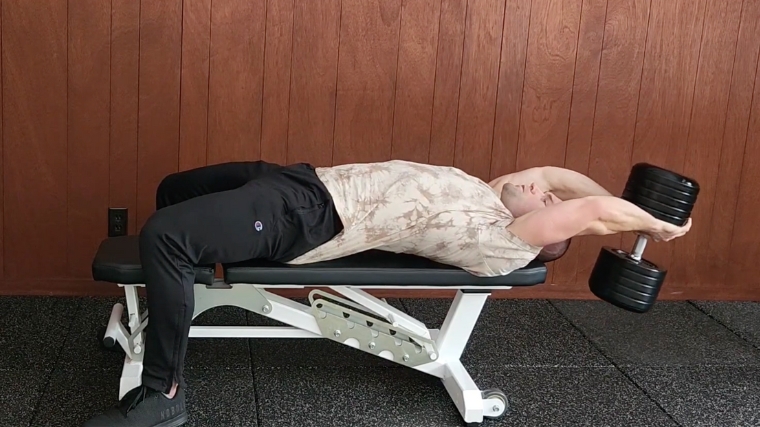
The pectoralis major, the main chest muscle, has two or three functional regions. The sternocostal head, the largest part, is effectively trained during horizontal adduction exercises like horizontal chest presses and flyes. The upper part of the pec major, known as the clavicular head, is emphasized with shoulder flexion exercises and incline presses. Additionally, the lower costal fibers and abdominal fibers of the pecs play a role in pulling the arms down from an overhead position, as seen in pulldowns and pullovers.
An impressive back is characterized by breadth, thickness, and definition. While achieving back definition requires reaching low body fat levels, developing back muscles depends on robust muscle growth or hypertrophy. Key aesthetic back muscles include the latissimus dorsi, middle- and lower trapezius, and rhomboids.
In bodybuilding, back muscles are trained through vertical and horizontal pulling movements, along with various single-joint accessory exercises. This workout focuses on promoting both back width and thickness.
The Ultimate Chest and Back Workout
This comprehensive routine incorporates free weights and machines, includes supersets and traditional sets, and emphasizes tension and muscle “pump” to enhance your upper body. It fits seamlessly into various workout splits, whether chest and back/legs/shoulders and arms or upper/lower splits. It can also be useful in a classic “one body part per day” split when necessary.
Classic Chest and Back Superset Routine
-
- Neutral-Grip Pulldown — 3 x 8-12 (superset with the following exercise)
-
- Machine Chest Press — 3 x 8-12
-
- Machine Wide Row — 3 x 12-16 (superset with the following exercise)
-
- Machine Kelso Shrug — 3 x 8-12
-
- Incline Dumbbell Flye Press — 3 x 8-12
-
- Bar Dip — 2 x 8-12 (superset with the following exercise)
-
- Standing Cable Pullover — 2 x 16-20
Neutral-Grip Lat Pulldown
The neutral-grip lat pulldown is a back-building exercise that is gentle on the joints. It primarily targets the latissimus dorsi, but other muscles like the rhomboids, posterior deltoids, and lower pectoralis major also contribute to the movement. This exercise allows for a full range of motion and can be loaded with heavy weights.
Starting your workout with this exercise sets the tone for your session by engaging the target muscles effectively.
-
- How to Do it: Sit at a lat pulldown station with a parallel grip attachment. Secure your thighs under the roller pads, lean back slightly at your hips, and pull the bar down by drawing your shoulder blades downward and bringing your elbows towards your ribcage. Return to the starting position with arms overhead.
-
- Sets and Reps: 3 x 8-12
-
- Rest Time: No rest before moving to the next exercise.
Benefits of the Neutral-Grip Lat Pulldown
-
- This exercise trains the back through a wide range of motion at the shoulder joint and shoulder girdle. It targets the latissimus dorsi at long muscle lengths, promoting muscle growth.
-
- The neutral grip is usually well-tolerated by individuals with shoulder or elbow issues.
-
- It isolates the back muscles effectively without overly engaging the chest muscles.
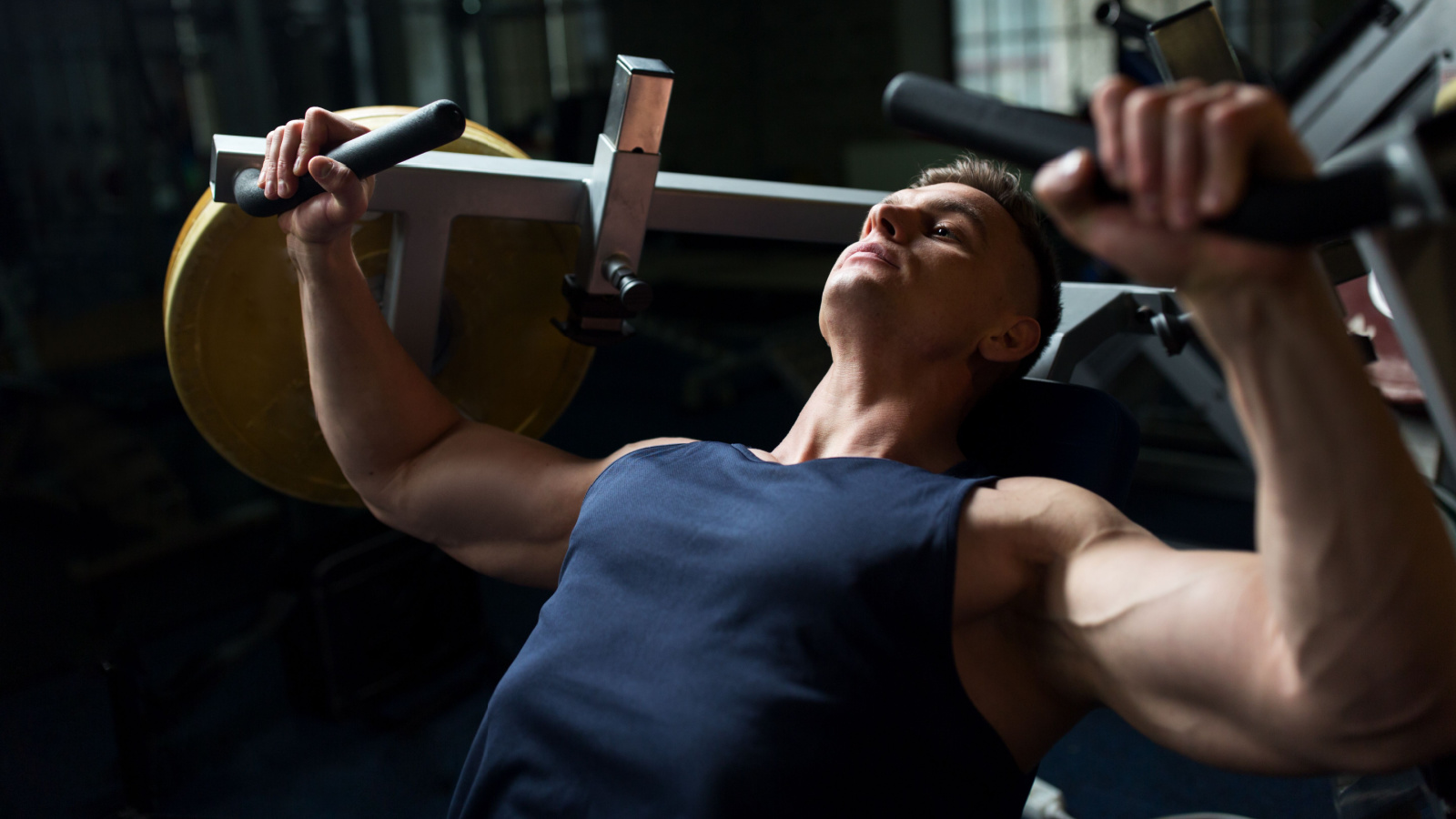
Machine Chest Press
Machine chest presses come in various designs and provide stable support for targeting the chest muscles effectively. They offer a controlled range of motion and can be loaded with heavy weights for high-effort sets.
-
- How to Do it: Adjust the seat and handle position so that your elbows and hands are at nipple height at the bottom position. Maintain an arched mid-back position to enhance chest tension. Press the handles until your elbows are straight, then lower the weight with control.
-
- Sets and Reps: 3 x 8-12
-
- Rest Time: Rest for 2-3 minutes before the next set.
Benefits of the Machine Chest Press
-
- Machine chest presses offer targeted chest training with reduced involvement of other muscle groups like the deltoids and triceps.
-
- They allow for heavy loading and high-effort sets without the need for a spotter.
Machine Wide Row
Wide rows are effective for targeting the mid-back and rear shoulders, promoting back thickness. Chest-supported machines provide a focused workout for the target muscles with minimal systemic fatigue.
-
- How to Do it: Set the machine so the pad contacts your lower chest, grab the handles with an overhand grip, and initiate the row by pulling your shoulder blades together and driving your elbows to the sides. Return to the starting position.
-
- Sets and Reps: 3 x 12-16
-
- Rest Time: No rest before moving to the next exercise.
Benefits of the Machine Wide Row
-
- This exercise provides targeted training to the mid-back with minimal involvement of other muscle groups.
-
- It offers a deep stretch to the mid-back and shoulders, enhancing muscle growth and range of motion.
Machine Kelso Shrug
The Kelso shrug is a unique exercise that isolates the middle trapezius and rhomboids, complementing multi-joint rowing exercises. It promotes additional training volume and helps strengthen and control the shoulder blades.
-
- How to Do it: Perform the shrug with wide, overhand grips, allowing the machine to draw your arms forward and then pulling your shoulder blades together without bending your elbows or driving your chest into the pad.
-
- Sets and Reps: 3 x 8-12
-
- Rest Time: Rest for 2-2.5 minutes before the next set.
Benefits of the Machine Kelso Shrug
-
- This exercise targets the mid-back effectively, especially when used as a post-exhaustion technique following rowing exercises.
-
- It is easy to set up and minimizes systemic fatigue, promoting strength and control of the shoulder blades.
-
- The Kelso shrug enhances shoulder health and overall muscle control.
Incline Dumbbell Flye Press
The incline dumbbell flye press accentuates the eccentric contraction of the upper chest, complementing other chest exercises in the workout that target different areas of the chest.
-
- How to Do it: Set the bench to a 45-degree incline, lie down, and press the dumbbells vertically while maintaining an arched back position. Lower the dumbbells to feel a stretch across the chest, then return to the starting position.
-
- Sets and Reps: 3 x 8-12
-
- Rest Time: Rest for 1.5-2 minutes between sets.
Benefits of the Incline Dumbbell Flye Press
-
- The exercise emphasizes the eccentric contraction of the upper chest, promoting strength development and muscle growth.
-
- It targets the clavicular head of the pectoralis major effectively, enhancing upper chest development.
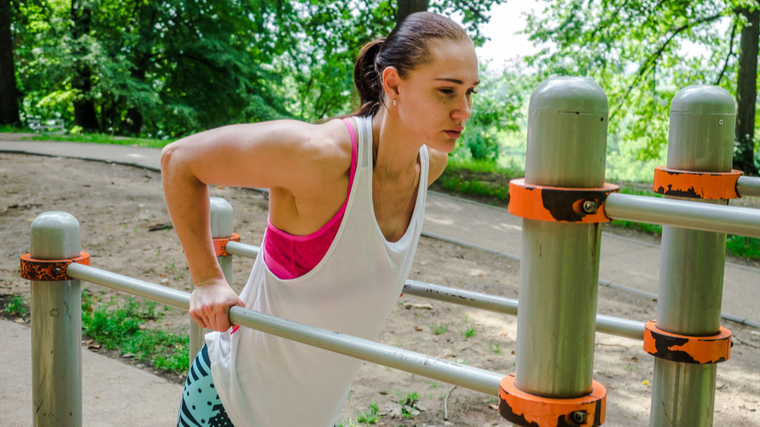
Bar Dip
Bar dips are effective for targeting the chest, triceps, and lower trapezius muscles. Compared to triceps-focused bench dips, bar dips engage the chest muscles more and require less shoulder hyperextension, making them suitable for individuals with shoulder issues.
These dips can be adapted to different strength levels by using assistance techniques or adding weight for increased challenge. They are versatile and beneficial for building the mid- and lower chest.
-
- How to Do it: Perform the dip with your hands on the bars under your shoulders, lowering your body until your chest touches the support surface and then pushing back up.
-
- Sets and Reps: 2 x 8-12
-
- Rest Time: No rest before moving to the next exercise.
Benefits of the Bar Dip
-
- The dip targets various muscles, including the pectoralis major, triceps, and lower trapezius, promoting overall upper body strength.
-
- It provides a loaded stretch to the chest, encouraging muscle growth and development.
-
- High-effort sets of dips can further engage the pectoralis major muscle, especially near failure.
Standing Cable Pullover
Cable pullovers are effective for targeting both the back and chest muscles. The cable resistance provides a unique challenge and allows for high-repetition sets, promoting muscle pump and growth.
Standing cable pullovers offer focused tension and a great pump sensation, making them a valuable addition to your upper body workout.
-
- How to Do it: Grab the cable attachment with a wide grip and pull the bar towards your thighs, then return to the starting position.
-
- Sets and Reps: 2 x 16-20
-
- Rest Time: Rest for 2-3 minutes before the next set.
Benefits of the Standing Cable Pullover
-
- Pullovers effectively target both the back and chest muscles, enhancing muscle growth and development.
-
- The cable resistance provides a challenging workout that promotes muscle gain.
-
- The exercise offers a focused tension that results in a satisfying lat pump sensation.