
One common misconception I often encounter as a registered dietitian is the belief that people are consuming high-protein meals. However, upon closer examination, most meals actually only contain around 10 to 15 grams of protein.
For instance:
- 2 eggs provide approximately 12 grams of protein
- ¾ cup Greek yogurt offers about 15 grams of protein
- 1 chicken sausage contains around 12 to 14 grams of protein
- 1 cup of lentil soup supplies about 12 grams of protein
These examples do not meet the criteria for high-protein meals, which can make achieving your daily protein intake goals seem daunting and almost unattainable.
For most women, a recommended target is at least 25 to 30 grams of protein per meal, particularly if the aim is to support muscle health, metabolism, stable energy levels, and satiety.
The most straightforward approach to accomplish this is by constructing meals around high-protein foods and fiber, rather than focusing solely on protein. An excellent way to achieve this is by incorporating salads into your diet. However, as much as I love salads, I understand that they can become repetitive, and sometimes a warm, flavorful, and comforting meal is preferred.
Below are some comforting meals that contain a minimum of 25 grams of protein per serving, along with fiber to aid digestion and promote fullness.
9 High-Protein Food Comfort Meals
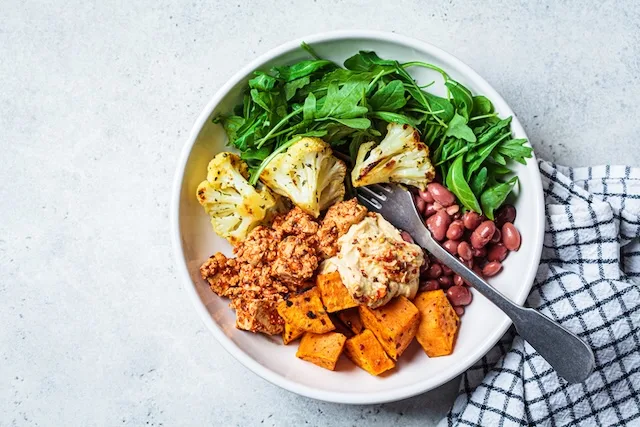
Lean Ground Beef Bowl with Sweet Potato, Cottage Cheese, and Hot Honey
This bowl is inspired by the popular TikTok recipe, but from a nutritional perspective, it is a well-balanced, high-protein meal when portioned correctly.
How to create it:
- 4 oz cooked 93% lean ground beef (about the size of a deck of cards) = approximately 23 grams of protein
- ½ cup cottage cheese = around 14 grams of protein
- 1 medium sweet potato = about 4 grams of fiber
Total protein: approximately 37 grams
Additional nutrients: Lean ground beef provides iron, zinc, and vitamin B12, which are essential for energy production and oxygen transport. Sweet potatoes offer fiber and vitamin A, while cottage cheese provides calcium (an often insufficient nutrient) and an additional protein boost.
Chicken Sausage with Roasted Butternut Squash and Kale
This comforting sheet pan meal is warm, satisfying, and nutritionally balanced.
How to assemble it:
- 2 chicken sausages = approximately 26 grams of protein
- 1 cup roasted butternut squash + 1 cup baked kale = around 7 to 8 grams of fiber
Total protein: about 26 grams
Many individuals may consume one sausage and vegetables and consider it a high-protein meal, but in reality, one sausage typically only provides about 12 to 14 grams of protein (sometimes even less, depending on the size). It is important to check the nutrition facts label, as some chicken sausages may be higher in fat and lower in protein than expected.
Additional Nutrients: Butternut squash and kale supply fiber, vitamin A, vitamin C, and vitamin K, which are beneficial for overall health and digestion.
Grilled Wild-Caught Salmon with Zucchini Noodles and Fresh Pesto
Salmon is a personal favorite and a delicious way to reach your protein target easily.
How to prepare it:
- 4 oz grilled wild-caught salmon = approximately 25 grams of protein
- Zucchini noodles + pesto = fiber + healthy fats
Total protein: around 25 grams
Salmon is also rich in omega-3 fats, which support brain, skin, and heart health, making it a nutrient-dense high-protein option. For optimal protein content and reduced fat, opt for wild-caught salmon.
Greek Salad Wrap with Grilled Chicken
This meal showcases how a traditional salad can be transformed into a delightful wrap!
How to make it:
- 4 oz grilled chicken = about 32 grams of protein
- Romaine, cucumber, olives, parsley, onion
- 2 tbsp Feta cheese = approximately 3-4 grams of protein
- Whole grain wrap for fiber (or wrap of choice)
Total protein: around 35 grams
The combination of fiber from vegetables, protein, and healthy fats from olives and feta cheese promotes satiety and stable energy levels. For a vegan option, substitute grilled chicken with tofu and opt for dairy-free cheese.
.Japanese Sweet Potato with Butter, Cod, and Ginger Ponzu
This simple yet balanced comfort meal offers a plant-based high-protein option when portioned correctly.
How to assemble it:
- 5 oz cod = around 30 grams of protein
- 1 Japanese sweet potato = about 3 to 4 grams of fiber
- Butter + ginger ponzu for flavor
Total protein: approximately 30 grams
Cod is a lean, protein-rich food that allows for generous portions while keeping calories in check and protein intake high. Additionally, cod is a source of selenium and iodine, which support thyroid function and metabolism. For a dairy-free option, replace butter with vegan butter or olive oil.
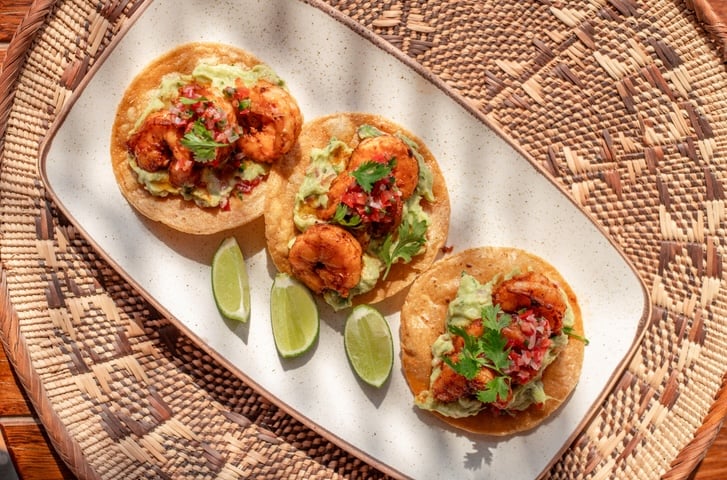
Shrimp Tacos with Cabbage Slaw and Salsa
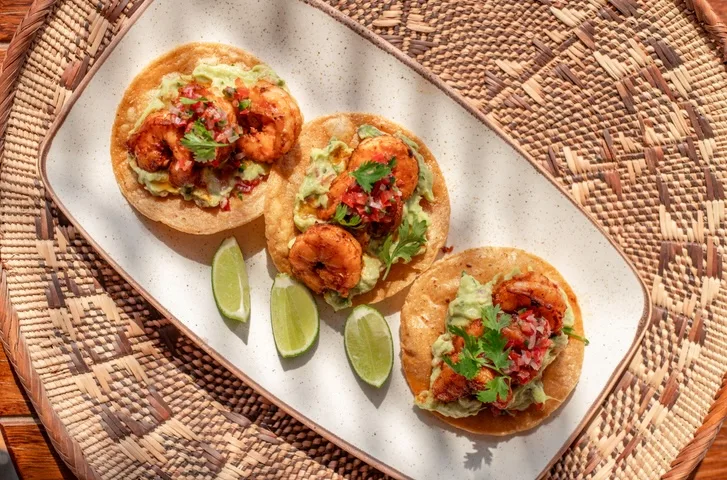
Shrimp is an efficient high-protein option, offering a substantial amount of protein in a small serving. Plus, who can resist shrimp tacos?
How to create it:
- 5 oz shrimp = about 30 grams of protein
- Cabbage slaw = fiber
- Corn or whole grain tortillas (option to substitute with lettuce wrap)
Total protein: around 30 grams
Many individuals typically include only a few shrimp in their tacos, providing approximately 12-15 grams of protein. To elevate shrimp tacos to a truly high-protein meal, aim for 8-12 shrimp per serving.
High-Protein Mac and Cheese (Chickpea Pasta + Cottage Cheese Sauce)
Yes, mac and cheese can be a high-protein option with a bit of creativity and ingredient substitution.
How to make it:
- Chickpea pasta (2 oz dry) = about 11 grams of protein
- ½ cup cottage cheese blended into sauce = around 14 grams of protein
- Parmesan cheese = approximately 2 to 3 grams of protein
Total protein: around 27 grams
Chickpea pasta offers both protein and fiber, making it more filling and balanced compared to traditional pasta. The addition of cottage cheese creates a creamy texture.
High-Protein Summer Rolls
These rolls are perfect for a light, fresh meal with a high protein content.
How to assemble it:
- 4 oz shrimp = about 24 grams of protein
- 3 oz tofu = around 9 grams of protein
- Rice paper, lettuce, herbs, vegetables
- Peanut sauce for fats and flavor
Total protein: approximately 30 grams
Most summer rolls are primarily composed of rice paper and vegetables, resulting in low protein content and limited satiety. By incorporating both shrimp and tofu, this meal meets the protein target.
Coconut Shredded Tofu with Turmeric Curry Rice
This plant-based comfort meal can be high in protein when portioned correctly.
How to create it:
- 6 oz extra-firm tofu = around 18 grams of protein
- ½ cup edamame = approximately 9 grams of protein
- Rice and vegetables for fiber
Total protein: about 27 grams
Tofu alone may not provide sufficient protein for a high-protein meal unless consumed in large quantities. Adding edamame enhances both protein and fiber content, resulting in a balanced, high-protein, plant-based meal that supports satiety and energy levels.
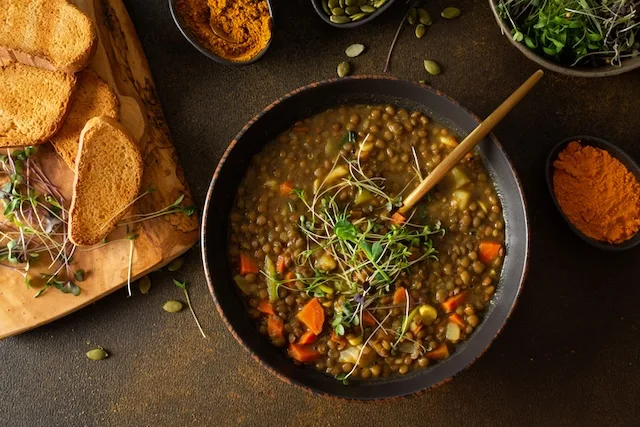
Hearty Lentil Soup
Lentils are an underrated high-protein option, offering both protein and fiber. Additionally, there’s something comforting about a warm soup!
How to make it:
- 1 ½ cups cooked lentils = approximately 27 grams of protein
- Vegetables like carrots, celery, onions, and tomatoes for additional fiber
Total protein: around 27 grams
This is an excellent plant-based choice as it provides substantial amounts of both protein and fiber.
High-Protein Food in Summary
Eating healthily should not feel like a chore, nor should it entail consuming cold salads every day. Some of the most nutritious meals are warm, comforting, and incorporate real, satisfying foods. By structuring meals around high-protein foods and including a source of fiber, other aspects of your diet will naturally fall into place. This approach helps you stay satiated longer, maintain stable energy levels, and view meals as enjoyable experiences rather than restrictive diets. With a bit of creativity and practice, these dietary swaps will become second nature.