
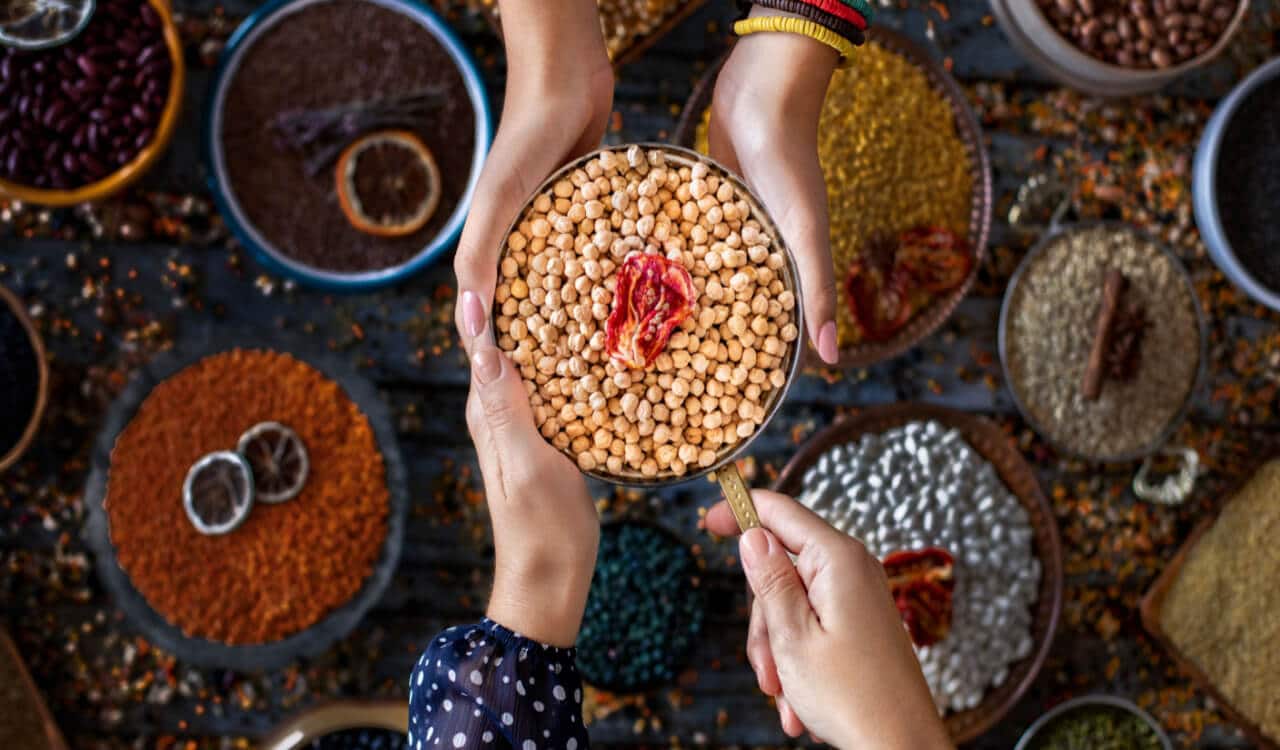
Chickpeas are highly prized legumes globally, commonly used in various cuisines such as those from the Middle East, India, Israel, Spain, and North Africa. Originating in the Middle East, chickpeas have been cultivated for over 7,500 years. Today, they are a staple in many kitchens.
Also known as garbanzo beans and Ceci, chickpeas are small in size and typically found in dry form. They must be soaked and cooked before consumption. Chickpeas can be enjoyed in various ways, from canned to ground into flour, stewed, or pureed. When cooked, they have a grainy texture and a nutty flavor, making them a versatile and delicious addition to many dishes. In addition to their taste, chickpeas are rich in fiber, minerals, and vitamins.
They offer numerous health benefits, including reducing the risk of diseases, aiding in weight management, and improving digestion. Chickpeas are also an excellent source of plant-based protein, making them a valuable ingredient for those following vegan or vegetarian diets.
Nutritional Value of Chickpeas
Chickpeas boast a unique nutritional profile. A single 28-gram serving contains 102 calories, with one cup (164 grams) of boiled chickpeas totaling 269 calories. Carbs make up about 67% of their weight, while the remainder is comprised of protein and fat.
Did you know that one cup of chickpeas provides approximately 40% of your daily fiber requirements, 70% of folate, and 22% of iron? Additionally, they have a low glycemic index, meaning they are digested slowly, keeping you full longer and preventing spikes in blood glucose levels.
Here is the nutritional breakdown of a 28-gram serving of raw chickpeas:
- Calories: 102
- Carbohydrates: 17 grams
- Fat: 1.5 grams
- Fiber: 7.9 grams
- Protein: 4.8 grams
Chickpeas for Weight Loss
Chickpeas are known for their weight loss properties due to their low calorie content compared to their nutrient density. Regular consumption of low-calorie, high-fiber foods like chickpeas can aid in weight loss, especially when combined with exercise. The high fiber and protein content in chickpeas contribute to weight management by increasing satiety and slowing down digestion.
Studies have shown that individuals who incorporate chickpeas into their diet are more likely to have a lower body mass index and reduced waist circumference. Additionally, daily chickpea consumption has been linked to a 25% increase in weight loss.
10 Health Benefits of Chickpeas
In addition to weight loss, chickpeas offer a range of health benefits, including:
1. Chickpeas Reduce Blood Glucose Levels
With a low glycemic index, chickpeas are slowly absorbed and digested, helping regulate blood sugar levels. Their protein content also aids in maintaining healthy blood glucose levels. The American Diabetes Association recommends chickpeas as a source of fiber for individuals with diabetes.
A 2014 study suggested that a daily intake of 30g of fiber could reduce inflammation in individuals with type 1 diabetes. Another meta-analysis from 2014 linked high fiber intake to a decreased risk of type 2 diabetes, emphasizing the importance of including chickpeas in a diabetes-friendly meal plan.
2. Chickpeas Promote Bone Health
Rich in calcium, iron, and magnesium, chickpeas support healthy bone structure and help prevent osteoporosis. To maximize calcium absorption, it is recommended to soak chickpeas before consumption to remove phytates that may inhibit calcium absorption.
3. Chickpeas Help Manage Blood Pressure
High in potassium, chickpeas can help increase potassium levels in the body. Potassium is essential for maintaining healthy blood pressure levels, with studies suggesting its role in the prevention and treatment of hypertension.
It is advisable to opt for dry chickpeas over canned varieties to control sodium intake, as excessive sodium consumption may lead to cardiovascular issues.
4. Chickpeas Promote Heart Health
Chickpeas are a rich source of B-vitamins, fiber, selenium, iron, and magnesium, all of which support heart health. The soluble fiber in chickpeas helps lower “bad” cholesterol levels and reduce the risk of heart disease.
Research has shown that the soluble fiber in chickpeas can lower cholesterol and triglyceride levels, contributing to a healthier heart.
5. Chickpeas Help Combat Cancer
Containing antioxidants like beta carotene and selenium, chickpeas play a role in neutralizing free radicals that can contribute to cancer development. Additionally, chickpeas contain butyrate, a fatty acid that can reduce inflammation in colon cells, potentially lowering the risk of colorectal cancer.
6. Chickpeas Reduce Cholesterol
The high fiber content in chickpeas has been associated with lower LDL levels, reducing the risk of heart disease. Studies have shown that regular consumption of chickpeas can help manage cholesterol levels effectively.
7. Chickpeas Improve Brain Function and Mental Health
Chickpeas are a good source of choline, a mineral essential for brain function. Choline plays a crucial role in various cognitive functions, mood regulation, and muscle control. Additionally, selenium in chickpeas supports cognitive health, providing protection against cognitive decline.
Other nutrients in chickpeas, such as magnesium, zinc, and selenium, may also play a role in protecting the brain from conditions like depression.
8. Chickpeas Promote Digestive Health
High in soluble fiber, chickpeas support digestive health by promoting the growth of healthy gut bacteria and preventing unhealthy bacteria overgrowth. A diet rich in fiber from foods like chickpeas can reduce the risk of digestive issues like colorectal cancer and maintain regular bowel movements.
9. Chickpeas Aid Weight Management
Thanks to their high fiber and protein content, chickpeas can help with weight management by increasing satiety and reducing appetite. Incorporating chickpeas into your diet can assist in controlling caloric intake and promoting weight loss.
10. Chickpeas Help in the Prevention of Iron Deficiency
Rich in iron, chickpeas support red blood cell function and oxygen transport in the body. Consuming chickpeas can help prevent iron deficiency and its associated symptoms, such as fatigue and weakness. Combining chickpeas with vitamin C can enhance iron absorption in the body.
Best Ways to Incorporate Chickpeas in Your Diet
There are many ways to enjoy chickpeas in your diet. Here are two popular recipes featuring this versatile ingredient:
#1 Hummus- Middle Eastern Dip
Ingredients:
- Cooked chickpeas – 1 cup
- Freshly squeezed lemon juice – 60 ml
- Tahini – 60 grams
- Minced clove of garlic – 1
- Olive oil – 30 ml
- Ground cumin – ½ teaspoon
- Salt to taste
- Water – 45 ml
- Paprika for garnishing
Method:
- Blend chickpeas, cumin powder, tahini, lemon juice, salt, and garlic in a mixer or food processor until smooth and creamy.
- Gradually add olive oil while blending.
- Adjust the thickness by adding water as needed, up to 45 ml.
- Transfer the hummus to a bowl, garnish with paprika, cumin, and olive oil.
#2 Chickpea Salad
Ingredients:
- Boiled chickpeas – 1 cup
- Extra virgin olive oil – 1 Tablespoon
- Lemon juice – Two teaspoons
- Salt – ½ tsp
- Chopped tomatoes – ½ cup
- Cubed cucumber – ½ cup
- Sliced onion – ½
- Chopped coriander leaves – ¼ cup
- Black pepper – 1/8 tsp
Method:
- Combine all vegetables and chickpeas in a bowl.
- In a separate bowl, mix lemon juice, salt, pepper, and olive oil.
- Pour the dressing over the vegetables, mix well, and garnish with coriander.
Who Shouldn’t Eat Chickpeas?
- Individuals with digestive tract conditions may want to avoid chickpeas due to their complex sugars, which can be challenging to digest, especially with compromised gut health.
- If you have allergies to other legumes, you may also be allergic to chickpeas, leading to symptoms like nausea, itching, abdominal pain, and vomiting.
- Excessive consumption of chickpeas can elevate uric acid levels, potentially leading to gout. It is essential to consume chickpeas in moderation to reap their health benefits without adverse effects.
Chickpeas: Things to Remember
- Consuming one serving (28 grams) of chickpeas per day is safe, but avoid exceeding 70 grams daily to prevent adverse effects.
- Overconsumption of chickpeas can lead to bloating, nausea, and gas, so it is important to moderate your intake.
- Ensure that chickpeas are cooked before consumption, as raw chickpeas contain toxins that can cause food poisoning.
- When using canned chickpeas, opt for BPA-free varieties to avoid exposure to harmful chemicals. Always rinse canned chickpeas before eating.
- Individuals on medications that may increase potassium levels should be cautious with chickpea consumption, as they are naturally high in potassium.
- Cooked chickpeas are safe for pregnant women to eat, providing essential nutrients for both mother and baby.
Summary
Chickpeas, originating from the Middle East, have gained popularity worldwide for their nutty flavor and versatile uses in various cuisines. Beyond their culinary appeal, chickpeas offer a multitude of health benefits, making them a valuable addition to a balanced diet. By incorporating chickpeas into your meals, you can support your overall health and well-being.
Frequently Asked Questions (FAQs)
Q. Are chickpeas a carbohydrate or protein?
A. Chickpeas contain both carbohydrates and protein, with a 28-gram serving providing 18 grams of carbs and 5 grams of protein.
Q. Are chickpeas good for weight loss or dieting?
A. Chickpeas are beneficial for weight loss and dieting due to their high fiber and protein content, which help control appetite and promote satiety.
Q. Are chickpeas good for you?
A. Chickpeas are considered a superfood due to their nutrient density, providing protein, fiber, and essential nutrients like calcium and iron.
Q. Are chickpeas safe for consumption?
A. While cooked chickpeas are safe for consumption, raw chickpeas should be avoided due to toxins and digestion challenges. Moderation is key to enjoying chickpeas safely.
Q. Is it okay to eat chickpeas every day?
A. Yes, consuming chickpeas daily is safe and can contribute to lower “bad” cholesterol levels and improved heart health.
Q. Do chickpeas make you gain weight?
A. No, chickpeas do not cause weight gain; in fact, their fiber content can aid in weight management by promoting satiety.
Q. Do chickpeas have more protein than chicken?
A. Chicken contains more protein than chickpeas, with 100 grams of cooked chicken breast providing 22 grams of protein compared to 9 grams in cooked chickpeas.
Q. What happens if you overeat chickpeas?
A. Overeating chickpeas in a single meal may lead to bloating, nausea, and gas. It is important to consume chickpeas in moderation to avoid discomfort.
Q. Does chickpeas cause gas?
A. Excessive consumption of chickpeas can lead to gas due to their high fiber content. Moderation is key to preventing digestive issues.
Q. Can chickpeas be eaten raw?
A. Raw chickpeas should be avoided as they contain toxins and are hard to digest. Cooking chickpeas thoroughly is necessary to ensure safe consumption.
Q. Is chickpeas good for hair?
A. Chickpeas contain vitamin A and zinc, which can help prevent hair loss and dandruff, supporting overall hair health.
Q. Are chickpeas good for diabetes?
A. Yes, chickpeas are beneficial for diabetes management due to their protein content and ability to regulate blood sugar levels.
Q. Are chickpeas inflammatory?
A. Unless you have allergies to legumes, chickpeas are not typically inflammatory and contain anti-inflammatory properties that can benefit overall health.
Q. Are chickpeas good for cholesterol?
A. Chickpeas can help lower “bad” cholesterol levels, contributing to improved heart health and reduced risk of cardiovascular issues.
Q. How much protein is in 100g boiled chickpeas?
A. 100 grams of boiled chickpeas contain approximately 9 grams of protein.
Q. How many calories are in 100 grams of raw chickpeas?
A. 100 grams of raw chickpeas contain around 364 calories.