

Autumn brings a sense of routine that can make it easier to focus on home-cooked meals, shorter days, and tuning into your body’s needs. It’s also a great time to increase your fiber intake naturally.
The fall harvest offers a variety of high-fiber foods, from root vegetables to apples and winter squashes, that can benefit both your gut health and waistline.
The Importance of Fiber in Your Fall Diet
Although fiber may not be a new trend, it plays a crucial role in supporting gut health, managing hunger, and maintaining stable energy levels. These factors are essential for overall well-being and weight management.
Here’s how high fiber foods work their magic:
- Supports digestion: Fiber adds bulk to your diet, promoting regularity and smooth digestion.
- Feeds good gut bacteria: Certain fibers act as prebiotics, nourishing beneficial bacteria in your gut and supporting digestion, metabolism, and even mood.
- Supports blood sugar: Fiber slows down glucose absorption, leading to steady energy levels and reduced cravings.
Smooth digestion, a healthy gut microbiome, and stable blood sugar levels are foundational for feeling your best.
The Link Between Gut Health, Fiber, and Weight
Your gut microbiome plays a role in your metabolism. Consuming high fiber foods, especially from plants and whole foods, nourishes the bacteria in your gut, which produce beneficial compounds like short-chain fatty acids (SCFAs).
SCFAs support metabolism by regulating appetite, energy expenditure, blood sugar levels, and potentially influencing GLP-1 production.
This is why diets rich in fiber are associated with feeling full, mindful eating, and maintaining a healthy weight over time. It’s not just about eating less; it’s about aligning your diet with your body’s natural cues.

1. Apples (with the skin!)
An average-sized apple provides about 4 grams of fiber, mostly found in its peel. Apples contain pectin, a soluble fiber that promotes healthy digestion and cholesterol levels.
Try this: Add apple slices to oatmeal, bake them with cinnamon and coconut oil, or enjoy them with almond butter for a fiber-rich snack.
2. Sweet Potatoes
Sweet potatoes are a good source of both soluble and insoluble fiber, benefiting gut health. They also contain beta-carotene, which supports skin and immune function, especially during colder seasons.
Try this: Roast sweet potatoes with olive oil and rosemary, or mash them with a bit of coconut sugar for a sweet, fiber-packed side dish.
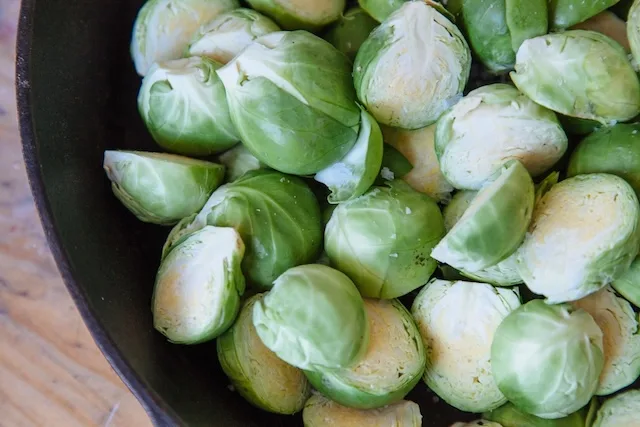
3. Brussels Sprouts
Brussels sprouts, with about 3.5 grams of fiber per cup, are rich in compounds that support detoxification and hormone balance in the body. They are a top choice among cruciferous vegetables.
Try this: Shred Brussels sprouts into a slaw or roast them until crispy with balsamic glaze.
4. Pears
Pears, often overlooked, are among the highest-fiber fruits, providing up to 6 grams of fiber per serving and a unique flavor profile.
Try this: Add pears to salads (especially with Brussels sprouts and arugula) for a refreshing, sweet touch.
5. Pumpkin
Pumpkin, besides its association with seasonal drinks, is rich in fiber and low in calories, aiding in satiety and digestion.
Try this: Bake homemade pumpkin muffins or pancakes, use it as a butter substitute in baked goods, or create a homemade pumpkin spice creamer for a wholesome, less-processed alternative.
6. Butternut Squash
Creamy and slightly sweet, butternut squash offers about 7 grams of fiber per cooked cup. It contains both soluble and insoluble fiber, supporting digestive regularity and gut bacteria.
Additionally, it is rich in beta-carotene, vital for skin and immune health as temperatures drop.
Try this: Roast butternut squash cubes with olive oil and herbs, blend it into a soup, or add it to salads or pasta for extra fiber and fall flavors.
7. Parsnips
Parsnips, often underestimated, offer nearly 6.5 grams of fiber per cooked cup. Slightly sweet and nutty, they are a good source of soluble fiber, promoting fullness and healthy blood sugar levels.
They also provide antioxidants and vitamin C, supporting immune health during colder months.
Try this: Roast parsnips with olive oil, garlic, and rosemary for a caramelized side dish, or mash them with butter as a comforting, gut-friendly alternative to mashed potatoes.
Pro Tip: Hydrate Adequately with Fiber
Increasing fiber intake highlights the importance of hydration. Fiber absorbs water to function effectively, so staying hydrated is key to prevent bloating and maintain digestive balance. Keep water or an electrolyte blend on hand throughout the day to support your gut health.
Understanding Your Fiber Requirements
While many people believe they consume enough fiber, the reality is that average intake falls short of recommendations. The Dietary Guidelines for Americans provide daily fiber targets:
- Women: around 25 grams per day
- Men: about 38 grams per day
These targets serve as a helpful guideline. If your current fiber intake is below these levels, gradually increase fiber consumption and remember to drink plenty of water to help your body adjust comfortably. Consider combining whole-food sources with a fiber supplement to meet your goals effectively.
Using Fiber Supplements to Support Your Diet
While whole foods should be your primary fiber source, supplements can be beneficial on busy days or for individuals struggling to meet their fiber needs through diet alone.
HUM’s Flatter Me Fiber GLP-1 Booster is designed to promote regularity, healthy digestion, and a sense of fullness by supporting GLP-1 levels†. It’s a convenient and tasty way to complement a high-fiber fall diet, especially when your routine or meals become less predictable.
Key Takeaway
Fall presents an opportunity to reset your gut health and nourish your body with high fiber foods that support digestion and weight management. From apples to root vegetables, these seasonal options make increasing fiber intake simple and enjoyable.
While indulging in pumpkin spice lattes, remember to incorporate whole-food fiber sources into your diet for added benefits!