
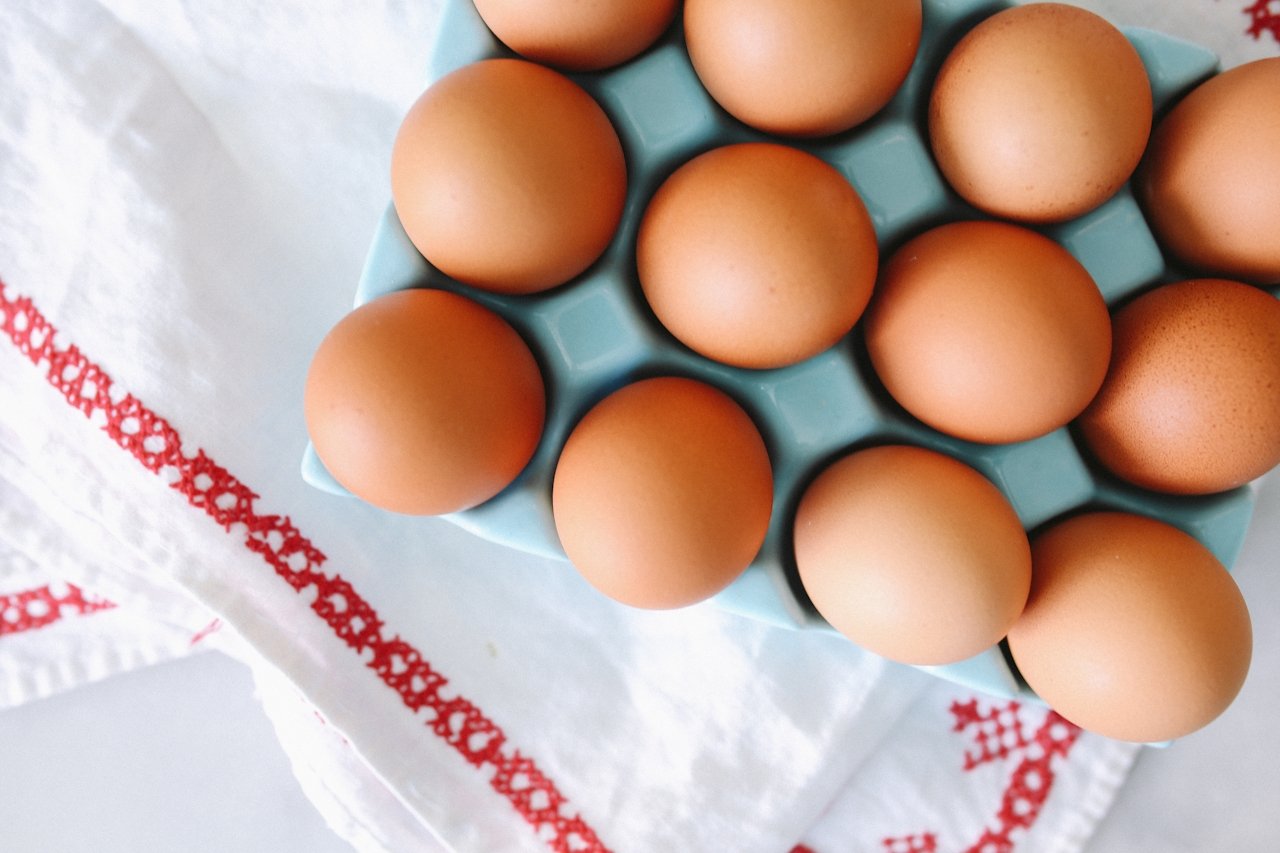
In today’s world, it is widely recognized that protein plays a significant role in our overall well-being. The trend of proteinmaxxing promotes the idea that more is better, whether it’s through powders, bars, or unconventional snacks like popcorn, chips, and shots. However, in our quest to meet our protein needs, many of us may unknowingly be making mistakes that compromise the quality of our intake. How we consume protein—not just the quantity—can have a significant impact on how we feel each day, influencing factors such as blood sugar levels, energy, muscle growth, and weight management.
Below, discover the right amount of protein you actually need and learn how to avoid common protein mistakes.
How Much Protein Do I Need? Plus, 7 Mistakes You are Probably Making
1. Not getting enough for your needs
For a long time, the recommended dietary allowance (RDA) for protein stood at 0.8 grams per kilogram of body weight. (For instance, this would translate to 49 grams for someone weighing 135 pounds.) However, this level of intake is considered a minimum requirement for basic functioning rather than optimal health outcomes.
The 2025–2030 Dietary Guidelines for Americans have raised the protein recommendation to 1.2 to 1.6 grams per kilogram of body weight. This is especially crucial if you lead an active lifestyle, are trying to manage weight, or are dealing with age-related muscle loss, according to Amy Shapiro, MS, RD, CDN, a dietitian and the founder of Real Nutrition in NYC. “Inadequate protein intake can lead to decreased meal satisfaction, blood sugar fluctuations, and challenges in preserving lean muscle mass over time,” she explains.
The solution: Calculate the optimal daily protein range based on your weight.
2. Saving most of your protein for dinner
It’s common in the United States to have a carbohydrate-heavy breakfast (or skip it altogether) and reserve the bulk of protein for the evening meal. However, distributing protein evenly throughout the day is more beneficial as it supports muscle protein synthesis, steady energy levels, and improved appetite control, as Shapiro points out.
The solution: Make sure to include protein in every meal, not just at dinner. Shapiro recommends aiming for around 30 grams of protein per meal to spread it out more evenly throughout the day. “Foods like eggs, Greek yogurt, fish, poultry, tofu, beans, lentils, and cottage cheese can help you achieve this goal,” she suggests. Additionally, incorporating minimally processed protein snacks such as hard-boiled eggs, nut butter, and cottage cheese can help you meet your protein needs without relying solely on dinner or risking inadequate intake.
3. Drinking too much of your protein

Protein smoothies and ready-to-drink shakes—along with protein water, protein coffee, and protein shots—offer a convenient way to consume 20-plus grams of protein. However, Brittany Brown, RD, IBCLC, CDE, a dietitian in Halifax, Nova Scotia, notes that these options lack an important aspect: the act of chewing. “Chewing activates the digestive processes and contributes to a sense of fullness,” she explains. By prioritizing liquid protein for breakfast or lunch, you may experience reduced satiety and increased cravings throughout the day.
The solution: While protein smoothies can serve as a post-workout snack, it’s advisable to prioritize whole foods whenever possible. “I advise my clients to incorporate whole-food protein sources like eggs, yogurt, beans, fish, or meat alongside the occasional shake,” Brown recommends.
4. Relying too much on processed protein sources
Protein bars and snacks are abundant, but they may not be the best sources of protein. “These products are often highly processed and may contain added sugars, sugar alcohols, or lengthy ingredient lists, lacking the fiber and nutrients present in whole foods,” Shapiro cautions.
The solution: Consider protein supplements as a backup option for when you’re traveling or short on time, suggests Shapiro. It’s important not to mistake protein-enriched treats like protein ice cream or protein-infused snacks as healthy choices.
5. Neglecting to chew well
Many of us tend to eat while distracted or rush through our meals. Insufficient chewing of food, whether it’s chicken or eggs, can lead to digestive issues. “Inadequate chewing puts extra strain on the digestive system and may contribute to problems like bloating or constipation, especially with high-protein diets,” Brown warns.
The solution: Reduce distractions, slow down your eating pace, chew thoroughly, and take the time to enjoy your food. “Pairing protein with fiber-rich foods and acidic ingredients like lemon or vinegar can promote better digestion,” Brown adds. “My clients have found that this simple approach greatly improves their overall digestive health.”
6. Focusing only on animal protein
While animal proteins are convenient for meeting your protein needs, it’s essential not to overlook plant-based sources. “Animal proteins offer complete protein, but neglecting plant proteins means missing out on fiber, antioxidants, and beneficial plant compounds that support gut and heart health,” Shapiro emphasizes.
The solution: Incorporate plant proteins into your diet alongside animal proteins. Whether you choose to mix plant and animal sources for variety or consume them together, plant proteins such as lentils, beans, tofu, tempeh, nuts, seeds, and whole grains provide both protein and fiber, complementing animal proteins. “Including a variety of protein sources ensures you receive a wide range of nutrients while adding diversity and additional health benefits to your diet,” Brown adds.
7. Lacking variety
Variety is not only enjoyable but also essential for a balanced diet that supports your health and well-being. If you tend to stick to the same protein sources day in and day out, consider diversifying your food choices. “Focusing on a single type of protein may mean missing out on other essential nutrients that are crucial for optimal body function,” Brown points out.
The solution: Introduce a diverse range of protein sources into your meals. For instance, instead of having scrambled eggs every day, you could try chia pudding for breakfast, a hearty bean salad for lunch, and salmon for dinner. By rotating through different protein sources, you can benefit from the full spectrum of nutrients these foods offer, promoting overall health and well-being.