
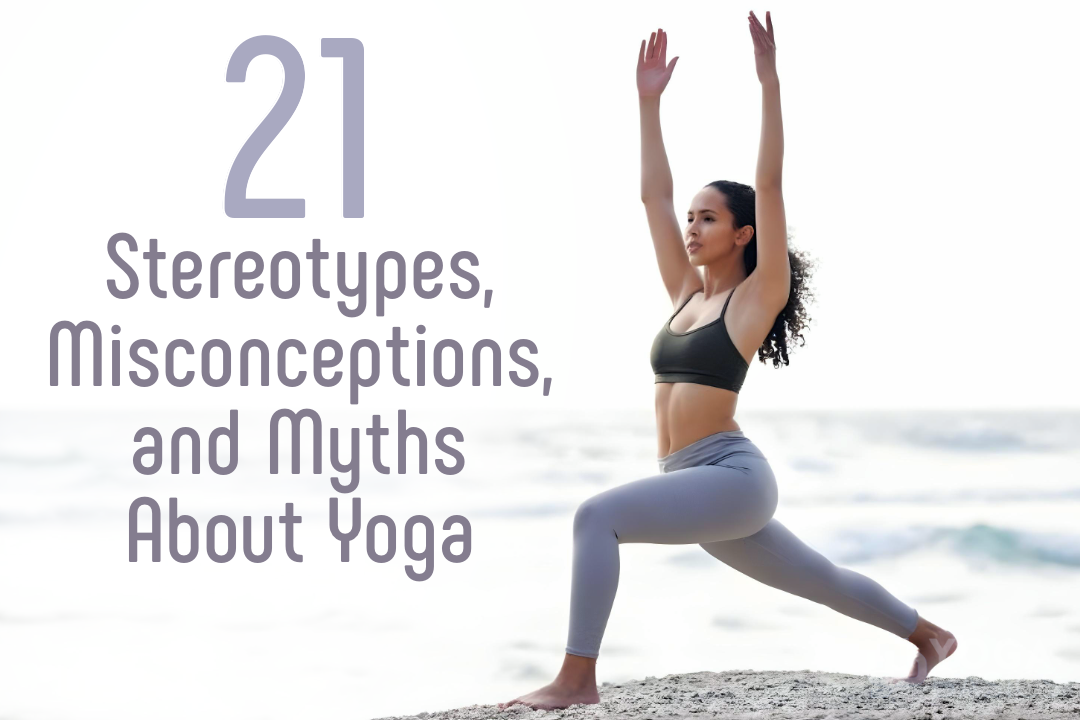
As yoga’s popularity continues to grow, it has unfortunately become associated with numerous stereotypes, misconceptions, and myths that obscure its true essence and significance. Many people believe that yoga is all about physical flexibility, catering exclusively to the young and fit, or dismiss it as a passing fitness trend lacking deeper meaning. These oversimplifications not only distort the holistic nature of yoga but also discourage potential practitioners from experiencing its diverse benefits. To promote a more accurate understanding of yoga, it is essential to debunk common myths, stereotypes, and misconceptions surrounding this ancient practice.
Common Yoga Stereotypes
While it’s tempting to label yoga as a practice reserved for the young, fit, and flexible, these and other common stereotypes overlook the rich diversity within the yoga community. By dispelling these stereotypes, we can create a more inclusive space welcoming individuals from all backgrounds to explore the transformative power of yoga.
- You Have to Be Flexible
One prevalent myth is that yoga requires flexibility. This misconception deters many from trying yoga due to fear of not keeping up or looking foolish. However, flexibility improves over time with consistent practice. With a variety of styles and levels, yoga is accessible to all, regardless of current flexibility. - It’s Only for Skinny People
The notion that yoga is only for thin individuals is perpetuated by mainstream images. While yoga can aid in weight loss, people of all sizes can benefit from the practice. Yoga promotes self-acceptance and body appreciation, fostering a positive relationship with oneself irrespective of size. - You Have to Be Physically Fit
There’s a misconception that yoga is limited to the already athletic or in-shape. In reality, classes cater to all fitness levels and can be adapted for those with injuries or limited mobility. Many styles focus on rehabilitation, therapy, and gentle movement accessible to most individuals. Additionally, breathwork and meditation are integral components suitable for everyone. - Only Young People Should Practice
While younger individuals may find certain yoga styles easier, the practice is not age-specific. Many older adults benefit from yoga, improving flexibility, balance, and strength. Yoga can enhance overall wellness at any age, with classes tailored to seniors or varying abilities. - It’s Only for Women
Although yoga has been marketed mainly to women, there is a growing number of male practitioners globally. Different styles attract diverse demographics, transcending gender boundaries to offer valuable benefits to all individuals regardless of background or abilities. - You Have to Be Peaceful and Calm
Yoga practitioners are often seen as always calm and serene. However, achieving tranquility is not a prerequisite; many turn to yoga seeking peace. Yoga is a journey towards cultivating calmness and peace, not an immediate state of perfection. - It’s Only for New Age Spiritual Hippies
While some yogis embrace a spiritual lifestyle, most practitioners are everyday individuals seeking physical and mental well-being. Yoga is practiced by people from all walks of life, promoting inclusivity and diversity. - You’ll Become a Self-Absorbed Yoga Diva
There’s a misconception that yoga practitioners are self-absorbed. In reality, yoga fosters connection, not isolation. It encourages self-awareness, mindfulness, and empathy towards others, promoting a deeper understanding of oneself and the world.
Common Yoga Myths and Misconceptions
Many misconceptions surround yoga, deterring individuals from embracing its profound benefits. Understanding these myths can help approach yoga with clarity, purpose, and an open mind. Here are some prevalent myths about yoga debunked:
- Yoga Is a Religion
While yoga has roots in Hinduism and Buddhism, modern yoga is practiced by people of all faiths worldwide. Many classes focus solely on physical postures, making it accessible to individuals of varying beliefs. - It’s Just Stretching
Yoga encompasses strength-building, balance, breath control, mental focus, and mindfulness, beyond flexibility. Different styles offer varied benefits, from vigorous workouts to deep relaxation. - It Is Too Expensive
Despite studio fees, yoga can be affordable with donation-based classes, sliding scale fees, and online resources. Minimal equipment is needed, making it accessible to all budgets. - It Is Easy and Slow
While yoga can appear gentle, it can be physically and mentally challenging, requiring strength, flexibility, and endurance. Various styles cater to different needs, offering both restorative and intense practices. - It’s Not a Good Workout
Contrary to belief, yoga can elevate heart rate, build muscle, and enhance flexibility. Styles like power yoga and heated classes provide a strenuous workout improving cardiovascular fitness. - It’s Not for Beginners
Yoga offers beginner-friendly routines suitable for all fitness levels, including those new to physical exercise. - You Have to Spend Hours Practicing to Be Good
Consistency in practice is more important than the duration spent on the mat. A regular practice, no matter how brief, can deepen the connection with body and mind. - You Have to Follow a Specific Sequence
While some styles adhere to a strict sequence, yoga is diverse, with different approaches to sequencing. Practitioners can explore various styles and create sequences that suit their needs. - You Have to Follow a Strict Diet
Yoga encourages mindfulness around eating habits but does not impose strict dietary rules. It promotes balance and listening to one’s body when making food choices. - It Can Cure All Health Issues
While beneficial for overall health, yoga is not a cure-all for chronic illnesses. It complements medical treatment but should not replace professional advice. - You Need a Bunch of Expensive Equipment
Starting yoga requires minimal equipment, with affordable options available. A simple mat and comfortable clothing are sufficient to begin the practice. - You Must Attend Classes to Practice
While classes can be helpful, self-practice allows for personalized exploration. Online resources offer flexibility for cultivating a home practice. - All Teachers Are Highly Experienced
Yoga teachers vary in training and expertise, with some newer instructors bringing fresh perspectives to classes.
Final Thoughts
By dispelling misconceptions, we can fully appreciate the holistic benefits of yoga, encompassing physical, mental, and spiritual well-being. Yoga goes beyond flexibility, offering practices that enhance mental clarity, emotional balance, and spiritual growth. Understanding the true essence of yoga allows practitioners to engage with the practice meaningfully and reap its profound rewards.