
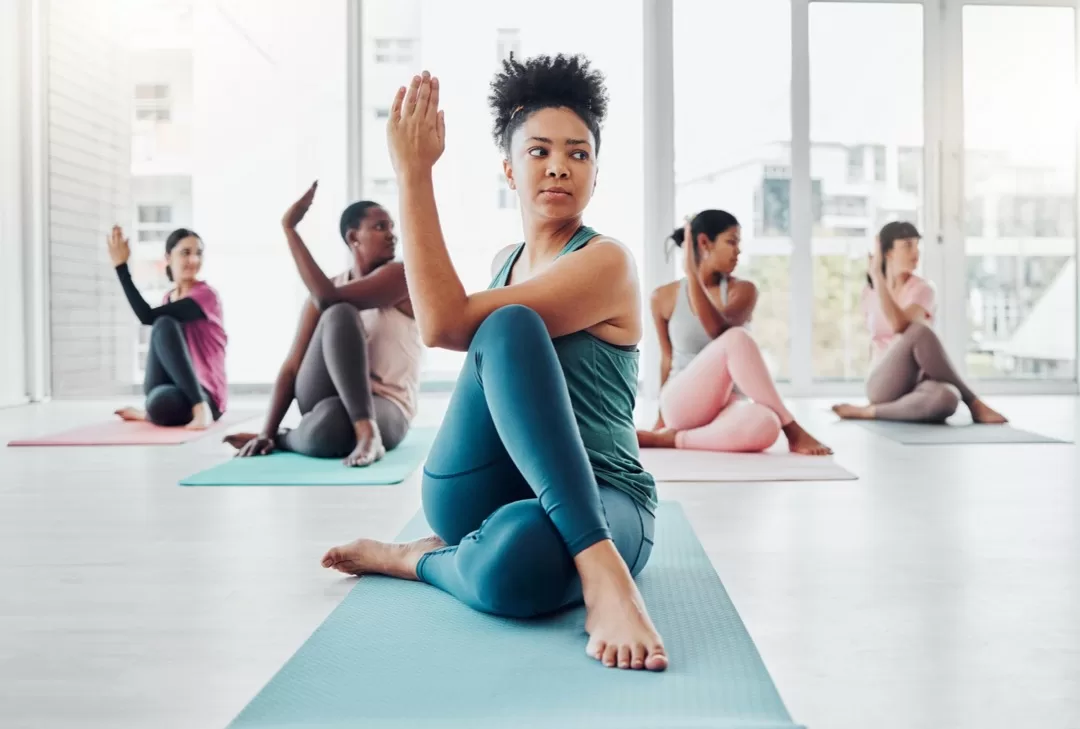
Many individuals struggle with the challenge of sitting still and quieting their minds for an extended period. Engaging in a few yoga poses before meditation can effectively prepare the body and mind for longer periods of comfortable and focused sitting. These poses help to stretch and strengthen muscles, improve posture and balance, and soothe the nervous system. By incorporating these yoga postures into your daily routine, you can enhance the benefits of your meditation practice and support overall physical and mental well-being. Prior to your next meditation session, roll out your yoga mat and practice a few asanas to ready your body and mind for meditation.
Understanding the Difficulty of Sitting in Meditation
One of the primary challenges in meditation is maintaining stillness for an extended time. This immobility can lead to discomfort, pain, and restlessness. Most individuals are not accustomed to sitting without movement, resulting in feelings of stiffness, achiness, and restlessness. With consistent practice, it is possible to learn to sit comfortably and maintain focus during meditation. Incorporating yoga poses before meditation can help prepare the body for this stillness, building strength and flexibility while reducing discomfort.
The Significance of a Stable and Comfortable Seat
Establishing a stable and comfortable seated position is vital for sustaining focus and relaxation during meditation. Proper alignment during meditation enables slow, deep breathing and reduces aches and pains in the body. Without a strong foundation, the body may distract the mind and cause discomfort, making it challenging to maintain the meditation practice. Explore various poses for meditation, such as Sukhasana (Easy Pose), Vajrasana (Thunderbolt Pose), or Ardha Padmasana (Half Lotus Pose) to find a suitable, comfortable, and sustainable cross-legged position for your practice.
Benefits of Practicing Asanas before Meditation
Engaging in asanas, or yoga poses, before meditation is an excellent way to prepare the body and mind for a deeper meditative experience. Through a series of physical postures and breathing exercises, tension can be released, core strength enhanced, and posture improved, ultimately enabling more comfortable and prolonged sitting during meditation. Pre-meditation yoga also aids in calming the mind, enhancing focus, and facilitating entry into a deep meditative state. Additionally, asanas can stimulate chakras, improve prana flow, and maintain alertness and energy levels during meditation. Integrating asanas before meditation can amplify the benefits of the practice, leaving one feeling rejuvenated, relaxed, and centered.
Selecting the Ideal Asanas
Choosing appropriate yoga poses that are accessible and safe for your practice is essential for maximizing benefits. While achieving a balance between different types of poses is crucial, certain poses may be emphasized based on individual needs. Opt for more backbends to energize the body or forward folds for a sense of calm and relaxation. Select poses that target areas of tightness in the body to enhance relaxation during meditation. Including a few challenging asanas can help build inner strength, willpower, and determination. Hip-opening and heart-opening postures are beneficial for emotional regulation before meditation.
Ensure a comprehensive practice that engages the entire body, incorporating standing poses, seated poses, twists, forward folds, and backbends. The duration of your practice and the sequence of asanas are crucial in effectively supporting your meditation practice.
Top Yoga Poses for Pre-Meditation Practice
Yoga serves as an excellent preparation for meditation, fostering the flexibility, strength, and focus necessary for comfortable and peaceful sitting during extended meditation sessions. It is essential to recognize that the most suitable asanas may vary depending on body type, fitness level, injuries, or conditions. Beginners should start with fundamental poses and gradually progress to more advanced ones, listening to their bodies and avoiding discomfort.
- Marjaryasana – Bitilasana (Cat-Cow Stretch) gently warms up the spine, improves breathing, and alleviates tension in the neck, lower back, and shoulders, preparing the body for meditation.
- Janu Sirsasana (Seated Head to Knee pose) stretches the hamstrings, hips, and lower back, easing discomfort during meditation.
- Balasana (Child’s pose) stretches the low back, hips, thighs, and ankles, promoting calmness and stress relief for a deep internal practice.
- Adho Mukha Svanasana (Downward Dog pose) strengthens arms, shoulders, and legs, relieves spine and neck tension, and enhances focus during meditation.
- Virabhadrasana II (Warrior II pose) strengthens legs and core, stretches hips and groin, fostering courage and inner strength for focused meditation.
- Bhujangasana (Cobra pose) stretches the spine, chest, and shoulders, improves posture and breathing, and activates the heart chakra for compassion.
- Paschimottanasana (Seated Forward Bend) stretches hamstrings and lower back, calms the mind, and relieves stress.
- Ardha Matsyendrasana (Seated Twist) releases tension in the spine, hips, and neck, massages internal organs, and enhances digestion.
- Eka Pada Rajokapotasana (Pigeon pose) stretches hip flexors, glutes, and lower back, stimulates internal organs, and boosts blood circulation.
- Supdha Badha Konasana (Reclining Bound Angle pose) gently stretches inner thighs and hips, relieves tension, and promotes relaxation, ideal for deep breathing practice.
- Setu Bandhasana (Bridge pose) calms nerves, energizes the body, and opens chest and hips, building core strength for improved posture while meditating.
Linking Yoga and Meditation
Hatha yoga and meditation complement each other well, sharing similar goals and benefits that enhance one another. Yoga readies the body and mind for meditation by releasing physical tension and mental stress. Backbends that open the chest and forward folds that induce deep relaxation prepare the body for stillness during meditation, promoting mindfulness, focus, concentration, inner peace, and improved postural alignment.
Additional Hatha Yoga Practices Supporting Meditation
Aside from asanas, other hatha yoga practices can bolster meditation, such as pranayama for breath control regulating energy flow and calming the mind. Mudras, like Chin, Jnana, and Dhyana, can stimulate energy channels and facilitate a meditative state. Yoga nidra, or yogic sleep, aids in releasing physical and mental tension, paving the way for a more profound meditation experience.