
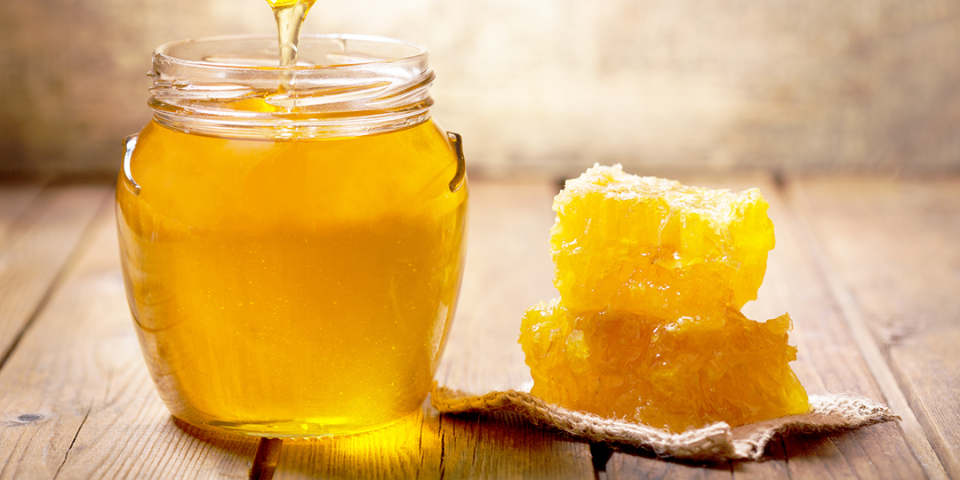
Honey, a thick and sweet substance produced by honeybees, has been valued for its various benefits throughout history. Used in Ayurveda for centuries, honey is not only a natural sweetener but also a source of medicinal properties.
Honey is created by bees collecting nectar from flowers and processing it in their hive. The type of flowers the bees visit influences the flavor of the honey, whether it be wildflower, avocado, or orange blossom.
Discover how honey can be incorporated into your diet and explore its advantages.
Honey vs. Sugar

While honey is a natural sweetener, it is not a low-calorie substitute for sugar. Nutritionally, honey is similar to plain sugar:
A tablespoon of honey contains:
- 61 calories
- 16 grams of sugar
A tablespoon of sugar contains:
- 48 calories
- 12 grams of sugar
For those who enjoy honey, it can be used as a sugar alternative due to its additional nutrients. However, for a lower nutritional impact, non-nutritive sweeteners like stevia or monk fruit extract, which contain zero calories and sugar, can be considered.
Benefits of Honey
Primarily consisting of sugar and water, honey is reported to contain approximately 200 substances, including:
These components contribute to the additional benefits of honey.
1. It contains antioxidants
Natural honey contains antioxidant-like compounds such as flavonoids and phenolic acids, which can help protect cells from harmful free radicals.
Caveat: While honey can supplement your antioxidant intake, it is recommended to primarily obtain antioxidants from fruits and vegetables.
2. It may support the immune system
Several small animal and cell culture studies suggest that honey can potentially enhance the activity of immune cells. Further research is needed to confirm these findings.
3. It may support digestion
Traditionally used in Ayurvedic medicine to aid digestion, the modern evidence supporting this claim is inconclusive. Individuals experiencing digestive issues should consult a healthcare professional.
4. It can soothe sore throats
Honey is commonly known for its potential to alleviate sore throats. Mixing honey with hot tea and a bit of lemon can provide comfort and relief by soothing throat irritation.
Possible Risks of Honey

Regular honey is generally safe for individuals over one year of age. While honey itself does not support microbial growth, it may contain botulinum spores that can become active upon consumption. It is advisable to avoid feeding honey to infants due to their developing immune systems. Individuals with bee pollen allergies should also exercise caution.
Concerned about consuming raw honey? While generally safe, raw honey may still contain botulinum spores, making it unsuitable for young infants. Those with specific allergies should be cautious as raw honey may contain trace amounts of yeast, wax, and pollen.
Raw honey, being unfiltered and unheated, may retain more beneficial substances, as discussed previously.