Traditional Chinese Medicine (TCM) has deep roots in spiritual practice. Ancient Chinese healers were not only skilled in medicine but also high-level Qigong masters. Their deep spiritual understanding of Qi, combined with their talents and skills, influenced various art forms. Across China, all fine arts such as painting, sculpture, calligraphy, literature, poetry, dance, and theater are infused with the expression of Qi or Spirit.
In the past, many TCM practitioners were gifted poets. Unlike lengthy books or prose, poetry has the power to condense meaning, evoke emotions, and convey Spirit. Each line of poetry paints a vivid picture and evokes a specific feeling. Great poetry has the ability to touch us on a profound level.
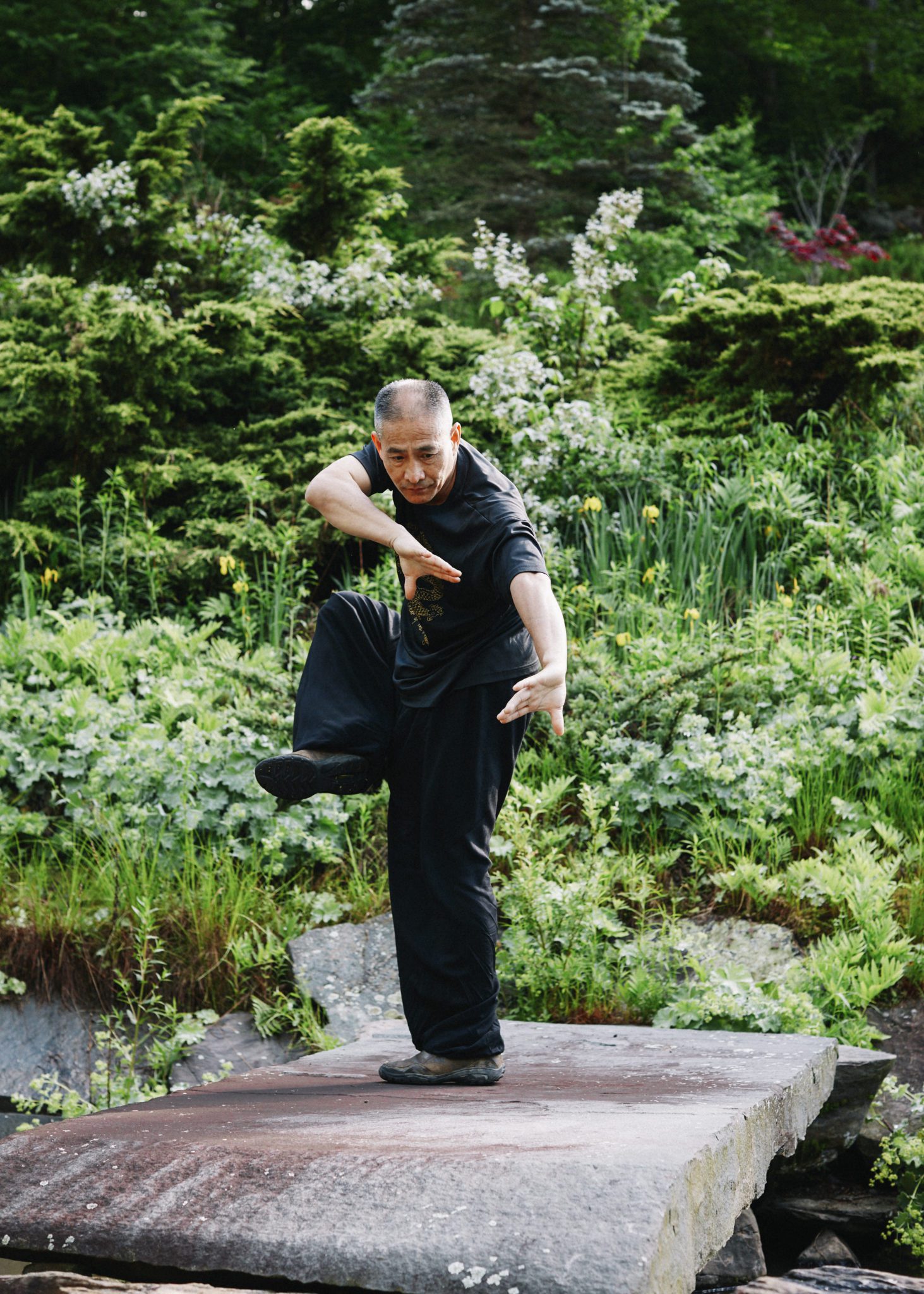
There is a beautiful connection between martial arts and poetry. For example, a poet describing “The alert tiger prowls down the mountain” captures the essence of immense power. A true martial artist not only understands the words but also visualizes the energy behind them. They connect with the tiger’s stealthy movements as it navigates its surroundings with precision. Just as a poem unfolds line by line, a martial arts form develops movement by movement until it becomes a seamless whole.
When a martial artist taps into the Spirit of a poem, they grasp the deepest essence of the form. Mastery goes beyond physical movements; it delves into a multidimensional understanding. Spirit is the core of China’s martial arts, fine arts, and the healing art of TCM.
Adapted from Digesting the Universe: A Revolutionary Framework for Healthy Metabolism Function by Nan Lu, OMD
Coming Right Up…
Yin/Yang of Spring: March 22-29, 2026
As Spring approaches, embrace the flow of Qi and explore the Taoist concept of Wu Wei. By letting go of control, life naturally falls into place. Master Lu will lead the group in understanding this principle of action through inaction, using it as a foundation for personal growth. Objective: Enhance Healthy Liver Qi. Find out more and sign up.