
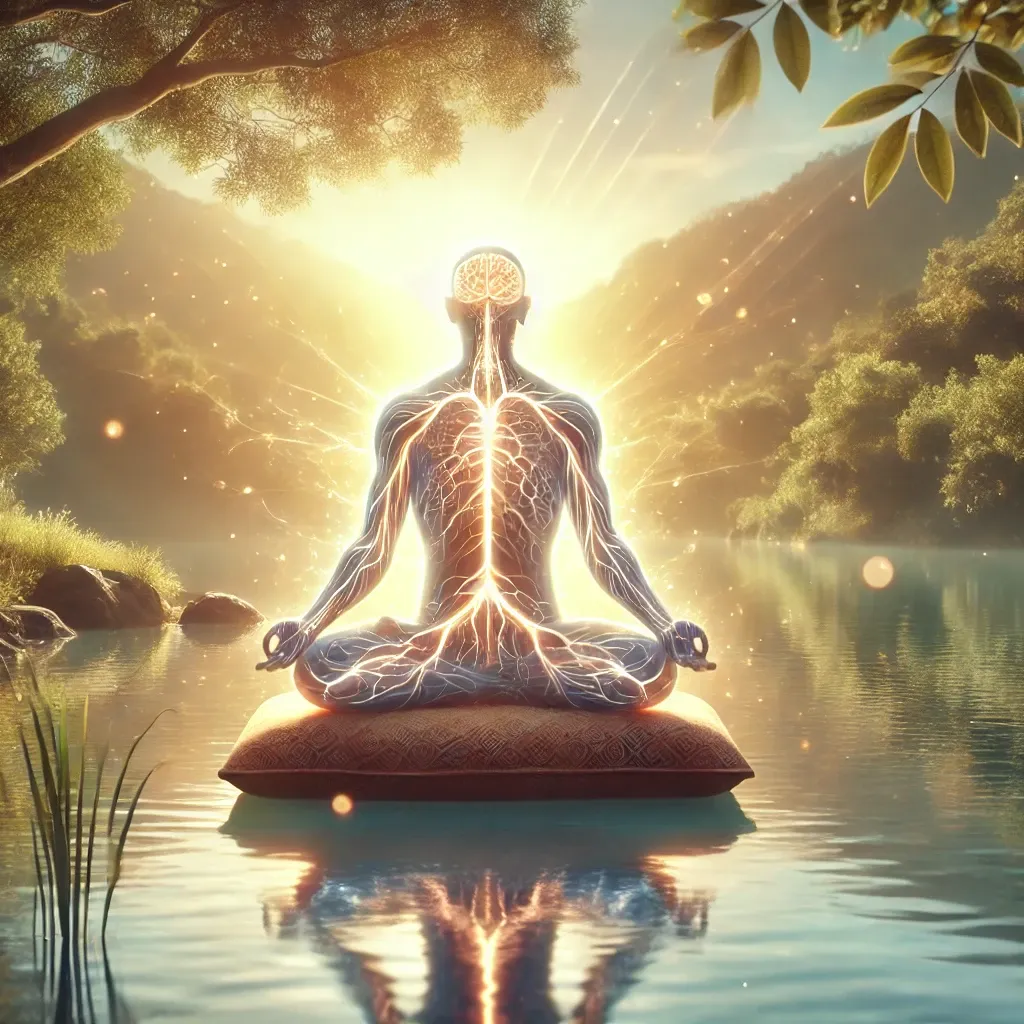
In our modern-day, fast-paced society, our minds are often overwhelmed by the demands of daily life. Whether it’s work, family, or personal goals, the constant racing of thoughts can be exhausting. While meditation is commonly known for its ability to bring calmness and inner peace, one aspect that is often overlooked is the importance of relaxing the nervous system. This is not just a preparatory step but a crucial foundation for unlocking deeper states of awareness and tranquility that meditation promises. Drawing from personal experiences and teachings, we will delve into why this aspect is so vital and how it can truly enhance the meditative experience.
Starting with the Breath
One of the most effective ways to relax the nervous system is through breathwork. Techniques like deep diaphragmatic breathing or counting breaths can help center the mind and soothe the body. In my sessions, we often begin with these exercises to ease participants into a state of relaxed awareness. It’s important to choose breathing patterns that bring relaxation instead of stress.
The breath acts as a connection between the body’s physical state and the mind’s focus. By intentionally slowing down the breath, we signal to the brain that everything is okay, allowing it to move away from survival mode. This simple practice has profound effects, helping individuals feel at ease within their own bodies, which is a fundamental step in any meditation practice.
Establishing a Safe Environment
Emphasizing the creation of a sanctuary for meditation is crucial—a space that feels secure and comforting. This mirrors the body’s need for an internal safe haven. When the nervous system is relaxed, it signals to the mind that it’s safe to let go of hyperawareness. This internal feeling of safety is essential for exploring thoughts and emotions without fear.
Meditation can become a refuge, a place where we approach our inner selves with gentleness and curiosity. In this environment, the goal is not to escape reality but to fully embrace it, starting from a place of calm and centeredness. As a meditation master once said, “meditation is feeling at home in your own skin.” Cultivating this sense of safety in our bodies allows us to be fully present in the moment without avoidance.

The Nervous System: A Path to Stillness
At the core of our stress responses lies the autonomic nervous system, which includes the sympathetic (fight or flight) and parasympathetic (rest and digest) systems. When stress becomes overwhelming, the body remains in a heightened state of alertness, making it challenging to enter a meditative state. When individuals mention their minds racing during meditation, it’s often a sign of an overactive nervous system that is unable to relax.
The continuous activation of the sympathetic system can make simple mindfulness exercises difficult and hinder our ability to reach deeper levels of awareness. Relaxing the nervous system helps activate the parasympathetic system, which triggers the ‘relaxation response’ and is crucial for grounding oneself in the present moment in a calm manner. This shift in physiology goes beyond just feeling good; it creates an ideal setting for mindfulness, loving-kindness, and ultimately the profound stillness of non-dual awareness.
Harnessing the Power of Humming and Vagal Toning
Recent studies on trauma theory, particularly focusing on the vagus nerve, have revealed that specific practices can directly impact the nervous system. Techniques like humming or chanting “Om” resonate not only metaphorically but also physiologically. These sounds stimulate the vagus nerve, inducing a state of relaxation and connection.
Interestingly, this aligns with ancient traditions where sound and vibration were utilized to enter meditative states. By incorporating these practices, we not only honor these traditions but also leverage modern science to enhance our meditation practice. Chanting the powerful sound of OM has long been a method to enter deep meditative states and overcome obstacles.
A Progressive Approach to Non-Dual Awareness
Relaxing the nervous system is not just a preliminary step; it paves the way for a progressive meditation journey. It commences with calming the body and mind before advancing to mindfulness, loving-kindness, and self-exploration. Each stage builds upon the previous one, leading to the realization of non-dual awareness, where the boundaries between self and others dissolve.
Without a relaxed body, this journey can feel disjointed or unattainable. A tense body often harbors underlying resistances, impeding the flow of energy and awareness. By addressing this tension early on, we establish a seamless progression that enables participants to delve into the full depth of meditation and embodied experience.
By connecting with a calm and secure body and fully embracing it, we address the issue of spiritual bypassing. We can deeply connect with our bodies while simultaneously realizing the boundless presence of non-dual awareness. This unity allows for the complete flourishing of our spiritual potential.
Practical Activities for Daily Life
Relaxing the nervous system should not be limited to meditation sessions; it is a skill that can be honed throughout daily routines. Simple practices like taking mindful breaths during stressful moments, gentle stretching, or practicing gratitude can help maintain a balanced nervous system. Personally, I find humming during car rides to be a soothing practice that leaves me feeling joyful and grateful upon arrival.
In our fast-paced world, these small yet consistent acts of self-care can be revolutionary. They serve as a reminder that meditation is not an escape from life but a way to fully embrace it with joy and mindfulness.
Concluding Thoughts
The path of meditation is a deeply personal and transformative journey. However, without a relaxed nervous system, many of its profound benefits may remain out of reach. By beginning with the body, we acknowledge the intricate connection between our physical and mental well-being, establishing a solid groundwork for deeper exploration.
In my experience, individuals who prioritize this foundational step often report not only enhanced meditative experiences but also improvements in their overall well-being. They experience better sleep, manage stress more effectively, and feel more connected to themselves and those around them.
Relaxation is not merely the absence of tension; it signifies the presence of peace. And it is from this state of peace that the true meditation journey unfolds.