
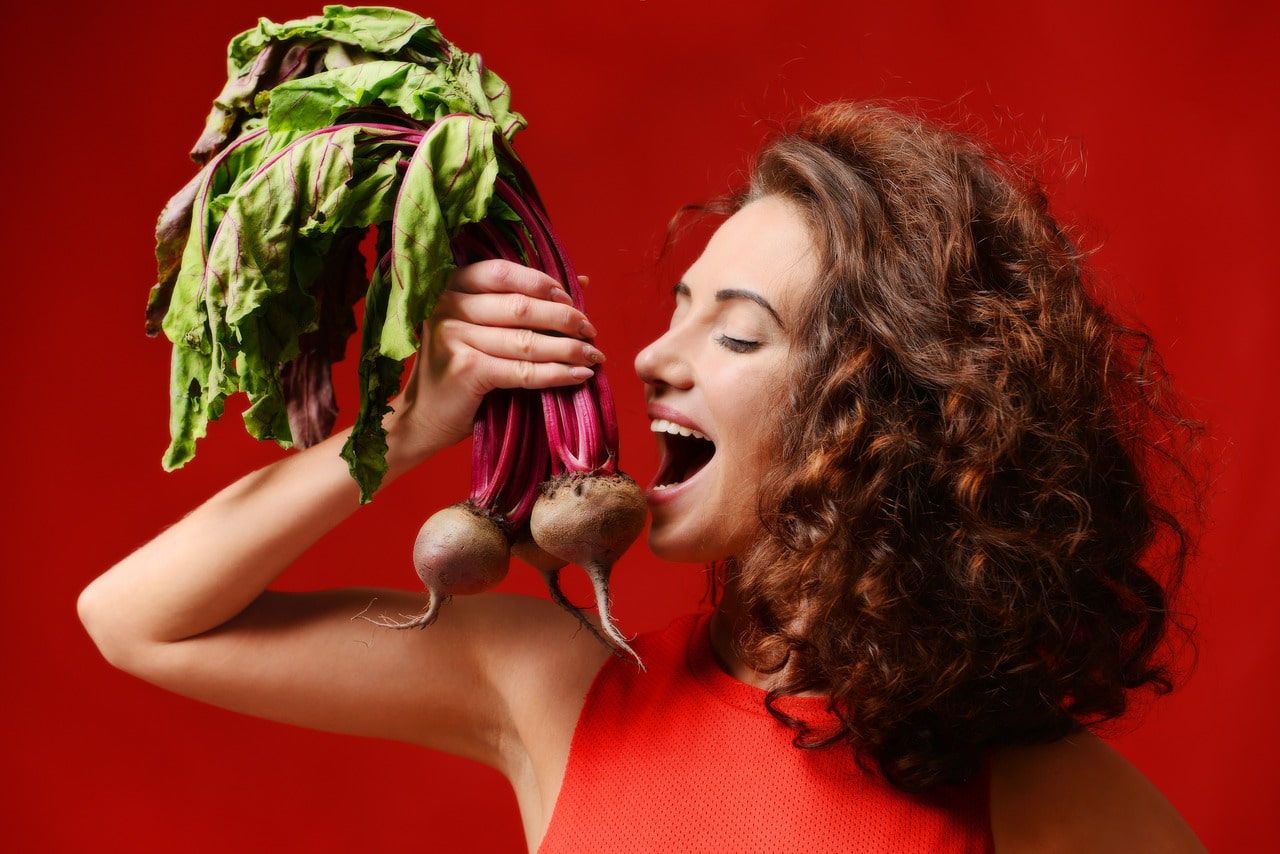
Beetroot, also known as red beet, is a root vegetable that originates from the Mediterranean region. It typically has a round or oval shape and is rich in vitamins, minerals, and antioxidants. When cooked, beetroot has a sweet, earthy flavor and comes in deep red or purple colors. It can be consumed raw or cooked and is commonly used in salads, soups, and roasted dishes. Additionally, beetroot is often utilized as a natural food dye due to its vibrant color.
Some individuals may consider incorporating beets into their diet for weight loss purposes due to their low calorie and high fiber content. This can help promote feelings of fullness, support weight management, and aid in reducing inflammation and boosting metabolism.
The Truth Behind Beetroot for Weight Loss
Beetroot is a nutritious, low-calorie food that can play a role in a weight loss diet. Research suggests that daily consumption of beetroot can lead to reduced body weight and fat percentage, as well as improvements in body mass index (BMI). Studies have also shown that beetroot juice supplementation can enhance exercise tolerance and cycling efficiency in adults with obesity.
One of the main reasons beetroot may aid in weight loss is its high fiber content and low calorie count. With only 43 calories in a 100-gram serving, beetroot can be a valuable addition to a calorie-controlled diet for those seeking to lose weight.
Beetroot is also a good source of antioxidants and compounds like betalains, which have anti-inflammatory effects and may help improve metabolism. Additionally, beetroot is rich in nitrates that can enhance blood flow, oxygen delivery to muscles, physical performance, and endurance.
Beetroot for Weight Loss – Why You Should Eat it?
There are several potential benefits to including beets in your diet for weight loss:
Low in Calories
Beetroots are low in calories, with a 100-gram serving providing only 43 calories, making them a suitable choice for weight loss efforts.
High in Fiber
Beetroots are an excellent source of dietary fiber, with a 100-gram serving offering around 3 grams of fiber. Fiber can help promote feelings of fullness and aid in weight loss by reducing overall calorie intake.
High in Antioxidants
Beetroot is rich in antioxidants and betalains, which have anti-inflammatory properties. Studies suggest that antioxidant supplementation may benefit obese individuals by regulating factors like fasting blood glucose levels, oxidative stress, and inflammation.
Rich in Nutrients
Beetroot is a valuable source of vitamins and minerals such as folate, manganese, and potassium, which support overall health and may contribute to weight loss.
Help Lower Blood Pressure
Beetroot contains nitrates that can help reduce blood pressure levels. Since high blood pressure is a risk factor for obesity and other health issues, consuming beetroot may have additional benefits beyond weight loss.
Increase Exercise Performance
Research indicates that dietary nitrate found in beetroot can improve exercise performance, potentially helping individuals burn more calories and aid in weight loss efforts.
While beetroot can be a beneficial addition to a weight loss diet, it is important to remember that it is not a miracle solution. Achieving and maintaining a healthy weight requires a balanced diet, regular physical activity, and overall healthy lifestyle habits.
Drink Beetroot Juice to Lose Weight
Adding beetroot extract to a weight loss diet can be a healthy choice. Unlike juice, extract retains the pulp and all the nutrients while being low in calories and high in essential nutrients like fiber, potassium, and iron. Consuming beetroot extract as part of a balanced diet, rather than relying on it solely for weight loss, can be a convenient way to incorporate this nutritious ingredient into your routine.
There is no specific time to drink beetroot juice for weight loss; it can be enjoyed as a snack, pre- or post-workout beverage, or morning drink. Moderation is key when consuming beetroot extract, as it is high in sugar and may cause side effects like pink urine or digestive discomfort if consumed in excess.
Adding Beetroot to Your Diet like a Pro
If you are considering incorporating beetroot into your diet for weight loss, consulting a healthcare provider or registered dietitian for personalized advice is recommended. A registered dietitian can assess your current eating habits and help you make nutritional adjustments to support your weight loss goals. HealthifyMe, a health and wellness platform, offers services like personalized nutrition plans and weight loss guidance from registered dietitians to assist individuals on their weight loss journey.
It is essential to remember that while beetroot can offer benefits for weight loss, it is not a quick fix. A holistic approach that includes a healthy diet, regular physical activity, and stress management is crucial for achieving sustainable weight loss.
The HealthifyMe Note
Beetroot is a low-calorie, nutrient-rich food that can support weight loss when consumed in appropriate portions as part of a balanced diet. Its potential to boost metabolism, aid digestion, and reduce appetite may contribute to weight loss efforts. While beetroot can be beneficial, it is not a standalone solution for weight loss. A comprehensive approach that includes healthy eating and regular exercise is essential for achieving and maintaining a healthy weight.
How to Eat Beetroot for Weight Loss?
HealthifyPRO Tip to add beetroot into your diet for weight loss:
- Beetroot juice: Opt for beetroot juice as a low-calorie option, keeping in mind that juicing removes the fiber. Using pulp is a preferable choice.
- Use it as a natural food coloring: Incorporate beetroot to add natural color to dishes like hummus, pasta sauce, and baked goods.
- Add sliced beetroot to your salads: Enhance your salads with the addition of beetroot slices for flavor and nutrition.
- Use them as a topping: Grate raw beetroots to create a colorful spread for sandwiches or wraps, or use them as a topping for grain bowls.
- Make a beetroot smoothie: Blend beetroot with fruits and vegetables, along with low-calorie ingredients like spinach, berries, and Greek yogurt, for a nutritious and delicious smoothie.
- Try beetroot in soup or stew: Incorporate diced beetroots into soups or stews to add flavor and nutrients to your meals.
- Roast or steam beetroots: Roasting or steaming beetroots preserves their nutrients, allowing you to add them to salads or grain bowls after slicing or chopping.
Conclusion
Beetroot is often highlighted as a potential weight loss food due to its low calorie and high fiber content. While some studies suggest that consuming beetroot or beetroot juice may have a modest, short-term impact on weight loss, these effects are typically not significant or sustained in the long term.
The weight loss benefits of beetroot are likely attributed to its fiber and low-calorie content rather than any specific properties unique to beetroot itself. To achieve weight loss, creating a calorie deficit by burning more calories than consumed is crucial. While beetroot is a nutritious food, it should be consumed in moderation as part of a balanced diet.
In addition to including beets in your diet, it is important to consume a variety of healthy foods, engage in regular exercise, and learn how to manage stress effectively.
Frequently Asked Questions (FAQs)
Q. How to use beetroot for weight loss?
There are various ways to incorporate beetroot into your diet for weight loss, such as adding diced or grated beetroot to salads or sandwiches, roasting whole beetroots as a side dish or salad topping, making smoothies with beetroot, fruit, and vegetables, adding beetroot to soups or stews for flavor and nutrition, and using beetroot juice in dressings or marinades. It is important to pay attention to portion sizes and balance your beet consumption with other healthy foods.
Q. Can we eat beetroot daily for weight loss?
Consuming beetroot daily as part of a balanced diet is generally safe. However, it is essential to recognize that no single food or supplement can lead to significant weight loss. A healthy weight loss plan should encompass a variety of foods from all food groups and include regular physical activity.
Q. Is it OK to drink beetroot every day?
Drinking beetroot juice on a daily basis is typically safe for most individuals. Beetroot is a nutrient-rich food with numerous potential health benefits. However, as beetroot is high in natural sugars, excessive consumption may result in side effects like pink urine or digestive discomfort. Some individuals may also experience allergic reactions to beetroot.
Q. What are the disadvantages of beetroot?
While beetroot is generally safe to consume in moderate amounts, some individuals may experience side effects like digestive discomfort or allergic reactions. Additionally, beetroot contains high levels of oxalates, which can contribute to the formation of kidney stones in susceptible individuals. If you have a history of kidney stones or other health conditions, it is advisable to consult a healthcare professional before adding beetroot to your diet.
Q. Who should avoid beetroot?
Most individuals can safely consume beetroot as part of a balanced diet. However, individuals with a history of kidney stones may want to avoid beetroot due to its high oxalate content. Caution should also be exercised by those taking blood thinners or blood pressure-lowering medications, as well as individuals sensitive to high purine levels that can elevate uric acid levels and worsen gout symptoms.
Q. Can beetroot burn belly fat?
There is no scientific evidence to suggest that beetroot can specifically target belly fat for burning. While beetroot is a nutritious food, no single food can cause targeted fat loss in specific areas of the body. Sustainable weight loss is best achieved through a balanced diet, regular physical activity, and overall healthy lifestyle habits.
Q. What is the best time to drink beetroot juice?
There is no specific optimal time to drink beetroot juice for weight loss. It can be consumed at any time of the day as part of a healthy diet.