
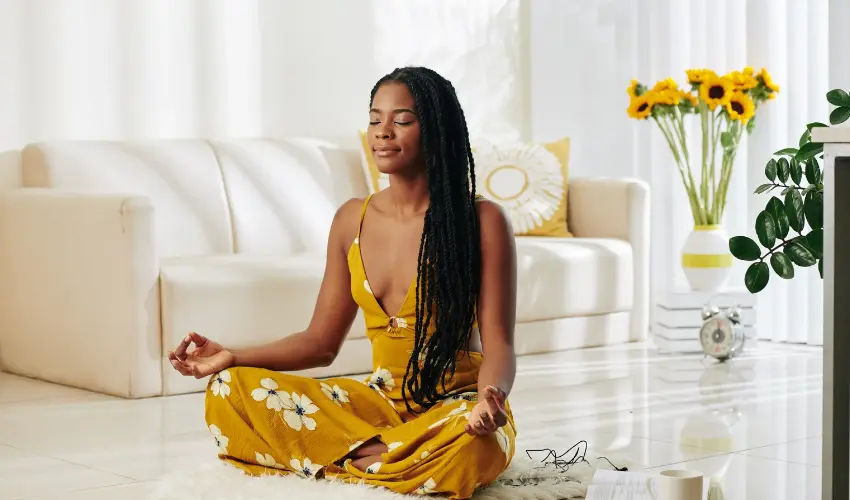
I have practiced meditation for over two decades now. Despite my experience, there are still moments when I feel apprehensive about meditating. My mind can sometimes mistakenly believe that meditation may cause harm. This fear is not unfounded and is quite common, especially for beginners.
Many of us fear the unknown, especially when it comes to trying meditation for the first time. It can be unsettling, particularly for those who are constantly on the move, rarely take time to sit quietly, and often seek distractions. This lack of familiarity with introspection that meditation brings can make the initial experiences feel intense. However, rest assured that I will share a solution to this shortly.
It’s not just beginners who experience fear when meditating. Individuals with a history of trauma may encounter flashbacks or unwanted thoughts during meditation. To address this concern, I have written a guide on meditating safely with trauma. Additionally, there are instances where individuals may have been avoiding painful emotions deliberately, leading to a fear of the clarity that meditation can bring.
So, how do we overcome this fear?
What To Do If You’re Scared To Meditate
First and foremost, it is essential to understand that meditation is highly unlikely to cause any harm. While there are rare side effects, meditation is generally safe. Therefore, we can acknowledge that our fears are baseless and approach them accordingly.
If you still feel too anxious to meditate, start slowly. Begin by telling yourself that you will only meditate for a few minutes initially. You can gradually increase the duration later on, but for now, focus on taking that first step with a small goal.
As you start meditating, treat fear like any other emotion. Notice where the fear resides in your body, often in the solar plexus area. Allow it to be there without judgment. Avoid thoughts like “this shouldn’t be happening” or “something is wrong with me,” as they only heighten the sense of alarm. Instead, remind yourself that it’s just a sensation and it’s okay to feel that way.
Try placing a hand on the area and gently reassure yourself by saying, “It’s okay. I’m here. We can manage this.” Let your body feel safe before proceeding further.
This is meditation. You are already practicing it. Once the fear subsides, continue from where you are.
Be kind to yourself. Every experience, including fear, is part of the journey.
If the fear persists, consider reevaluating your meditation technique. Certain methods, such as Vipassana, may lead to unwanted experiences like dissociation or visions. In such cases, switching to a technique like Zazen, where your eyes are slightly open, could be beneficial.
Lastly, think about seeking guidance from a teacher like myself. Having a professional instructor by your side can provide a sense of reassurance and support.
Paul Harrison, a meditation teacher with over 20 years of experience, is deeply passionate about helping others. Known for his empathy and genuine approach, he is committed to guiding individuals and groups towards mindfulness, clarity, and overall well-being.