
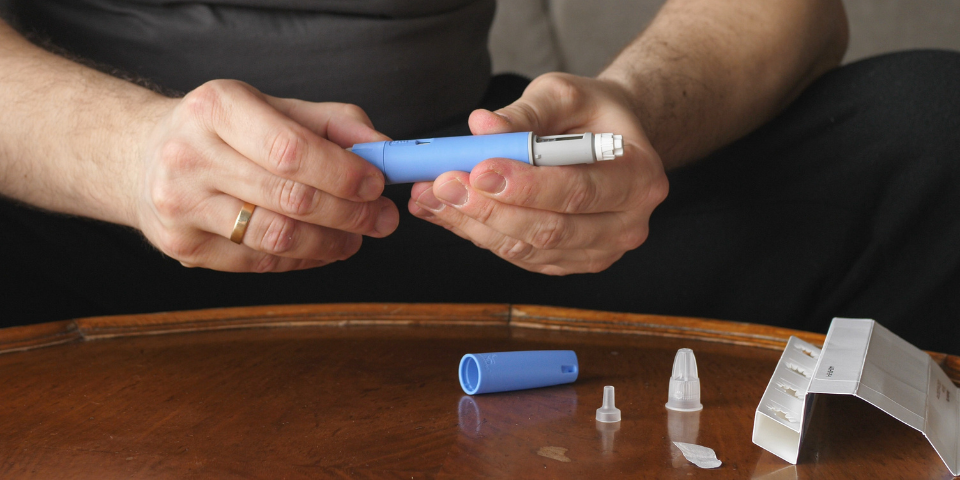
If you watch TV, read the news, scroll TikTok, or consume any kind of media at all, you’ve at least heard of Ozempic and other semaglutide medications like Wegovy and Rybelsus, as well as similar tirzepatide drugs like Mounjaro and Zepbound. These prescription medications were initially developed to treat type 2 diabetes but have since gained notoriety for a common, often welcome, side effect: weight loss.
Semaglutide and tirzepatide work by mimicking the GLP-1 (glucagon-like peptide-1) hormone, explains Dr. Rekha Kumar, chief medical officer of Found and former medical director of the American Board of Obesity Medicine.
“GLP-1 is an incretin hormone that lowers blood sugar, delays stomach emptying, and signals fullness to the brain,” she explains. When prescribed by a doctor, incretin mimetic drugs can help treat obesity and potentially lower patient risk for other health conditions, like cardiovascular disease.
For many people who are overweight or contend with diabetes, these medications have been game-changing. But they’re not a miracle cure for all health concerns. (Taking them won’t, for example, bolster bone health or expand your aerobic capacity.)
There also is the potential for unwanted side effects. From minor gastrointestinal discomfort to more concerning issues with long-term implications, there are a lot of considerations to weigh before taking medications like Ozempic, muscle loss being chief among them.
Lean mass loss is associated with deficits in physical strength and function, a resultant risk of injury, and a slower metabolic rate. Find out the likelihood, among other rapid weight loss effects, of muscle loss on Ozempic.
Does Ozempic Cause Muscle Loss?

Clinical trials show that people who take incretin mimetic drugs typically lose muscle mass. But sarcopenia (loss of muscle mass and strength) isn’t unique to weight loss drugs.
“When someone loses weight — whether through diet, exercise, weight-loss surgery, or medicine — one-quarter to one-third of that lost weight is typically muscle,” Kumar explains.
What makes weight loss on semaglutide and tirzepatide different, however, is the rate at which it disappears. “GLP-1 medications can result in greater, more rapid weight loss compared to other interventions, putting people at risk of even more muscle mass loss,” Kumar says.
A research review published in Endocrinology and Metabolism looked at more than 40 research studies that reported body composition changes among participants who used incretin mimetics. The authors found that, in most circumstances, recorded weight loss was predominantly due to reduced fat mass. But, in nearly two-thirds of the studies, between 20 and 50 percent of the total weight shed could be attributed to the loss of lean mass, a.k.a. muscle.
The dangers of muscle wasting
A rapid decline in lean body mass is concerning for many reasons.
Losing weight without focusing on muscle preservation can contribute to health issues, including a heightened risk of chronic disease, a slowed metabolism, and reduced bone density, Kumar says.
You may also lose the ability to perform everyday tasks (try carrying groceries or lugging a suitcase through an airport without core and upper-body strength) and notice a decline in your balance and posture. And considering age-related sarcopenia naturally begins after age 30, any drastic weight loss may compound existing issues and make it harder to recoup muscle as you get older.
“Unfortunately, it’s becoming more and more common for people to get access to medication but not to the comprehensive care that would warn you of these potential side effects, which is why it’s critical for people looking to lose weight to seek out holistic, evidence-based care,” Kumar says. “Without the right information and care, people experiencing weight loss with medication can also lose muscle and decrease their cardio-metabolic fitness in the process.”
Strategies to Prevent Muscle Loss on Ozempic
Incretin mimetic drugs must be administered under the care of a doctor, and they should be part of a customized health plan, as every individual’s experience, goals, and needs are different. However, some universal strategies can help prevent tirzepatide and semaglutide muscle loss.
1. Prioritize protein

Each macronutrient — carbohydrate, fat, and protein — is essential to any diet, but protein is especially critical for building and maintaining muscle mass. Your body needs an adequate amount of protein for muscle protein synthesis, the process by which amino acids (the building blocks of protein) turn into muscle protein.
The recommended daily allowance (RDA) for protein is .8 grams per kilogram of body weight for most adults, but depending your level of physical activity, you may need even more.
2. Make resistance training part of your workout routine
“Strength training can help to prevent muscle mass loss, protect bones, and improve body composition and metabolic health for people experiencing rapid weight loss,” Kumar says.
Resistance, whether it comes from weights, bands, cables, or your own body weight, causes micro-tears within muscle tissue. When the body repairs that damage, the muscles are rebuilt bigger and stronger so they can handle more stress.
If you’re new to fitness or have always stuck to cardio workouts, starting a resistance-training routine can be a little confusing and sometimes intimidating. GLP-1 Fitness Formula on BODi makes it easy to get started with fitness and can even help boost the effectiveness of your weight loss medication.
The program features 20-minute workouts that focus on building strength to preserve muscle mass, improving cardiovascular fitness for better heart health and increased fat burn, and enhancing mobility for healthier joints and less stiffness overall.
3. Fuel your workouts appropriately

Encouraging fat loss while preserving fat free mass (i.e. muscle) can be a tricky equation.
To effectively lose weight, you must maintain a caloric deficit while ensuring you consume enough calories to fuel your workouts and support muscle protein synthesis. This balance can be challenging, especially when taking GLP-1 agonists, which may reduce appetite and make it harder to meet your body’s nutritional needs. Consulting with a registered dietitian can help you determine your unique energy requirements and navigate the complexities of weight loss while preserving muscle mass.
When using GLP-1 drugs like Ozempic, the goal is not to severely restrict food intake but rather to regain control over your diet by reducing food cravings. It’s important to focus on nutrient-dense foods like lean proteins, fruits, vegetables, and whole grains to avoid malnutrition. Additionally, timing your meals and snacks, prioritizing protein intake post-workout, and staying hydrated are essential strategies for optimizing your nutrition on GLP-1 drugs.
Supplements can also be beneficial in filling nutrient gaps, especially for individuals struggling to meet protein requirements due to appetite suppression. However, it’s important to consult with a healthcare professional before adding supplements to your diet to ensure they are appropriate for your specific needs.
In addition to nutrition and supplementation, lifestyle changes such as prioritizing rest, incorporating recovery days into your workout routine, and managing stress are crucial for maintaining muscle mass while taking GLP-1 drugs. Adequate sleep, proper recovery between workouts, and stress-reduction techniques like meditation can all support muscle growth and overall physical wellbeing. Please rewrite the following sentence for me:
“I have to leave early because I have a doctor’s appointment.”