
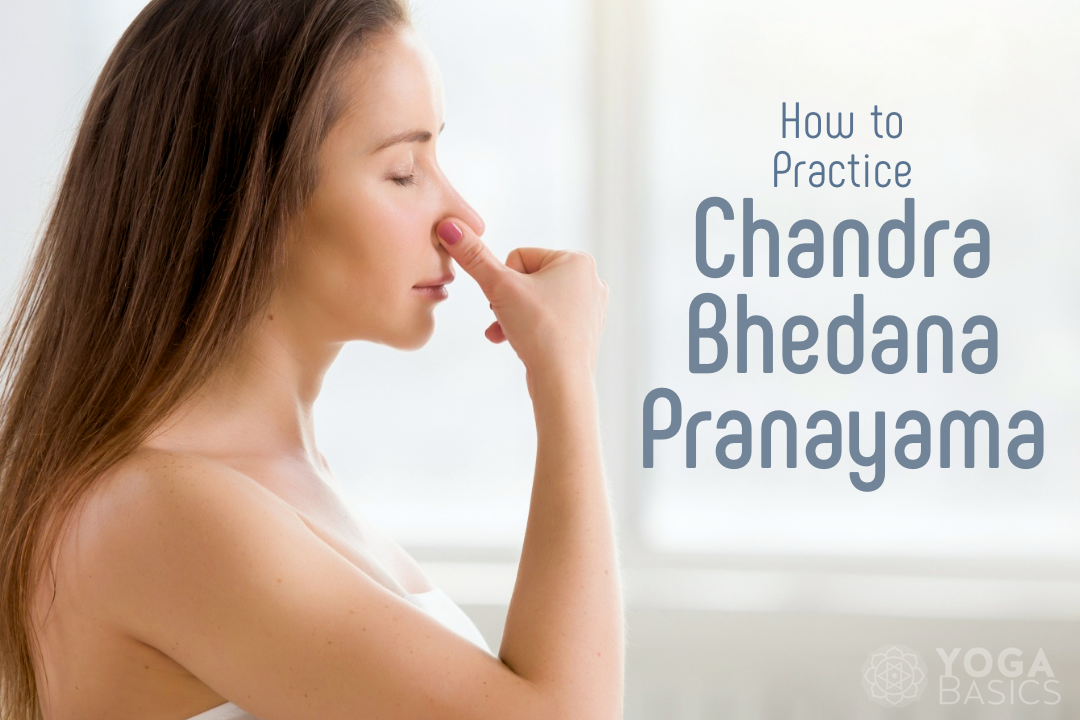
Chandra Bhedana Pranayama is a powerful breathing technique that provides a unique way to connect with the calming and cooling qualities of the moon. This technique is especially beneficial during times of heightened emotions or when feeling overwhelmed by the heat and intensity of life. It helps to cool the mind, soothe the nervous system, and release stress and tension. By activating the calming energy of the moon, you can find a sense of inner balance and restore equilibrium.
Understanding Chandra Bhedana Pranayama
Chandra Bhedana Pranayama, also known as Single Nostril Breath, Moon-Piercing Breath, or Left Nostril Breathing, is a yogic breathing technique that focuses on breath control to create a cooling and calming effect on the body and mind, similar to the soothing energy of the moon. By inhaling and exhaling through different nostrils, this practice aims to improve the flow of prana (life energy) in the left energy channel, known as the Ida or Chandra Nadi, and bring balance to the body’s energy.
During Chandra Bhedana Pranayama, practitioners often use the Vishnu Mudra hand gesture to stimulate the lungs and heart, promoting balance and equilibrium. This mudra is believed to channel and direct energy within the body, enhancing the experience of the practice with a deeper sense of harmony and intention.
Originating from the Yoga Chudamani Upanishad, Chandra Bhedana Pranayama is a technique aimed at purifying the Chandra or Ida Nadi, as well as awakening Kundalini energy. It was later developed and named by yogis based on the guidelines provided in the Upanishad.
When to Practice Chandra Bhedana
Chandra Bhedana Pranayama can be practiced at any time of the day, with particular benefits when done in the evening or at night for relaxation and preparing for sleep. It is recommended for times of anxiety, stress, overwhelm, or excessive body heat. Practicing during a full moon or when the moon is visible in the sky can enhance the effects of this breathing technique.
How to Practice: Step-by-Step Instructions
- Prepare your posture: Find a quiet space, sit comfortably with a straight spine and relaxed shoulders.
- Focus on your breath: Observe your natural breathing rhythm and transition into conscious diaphragmatic breathing.
- Use the Vishnu Mudra: Form the hand gesture to enhance the practice.
- Practice alternate nostril breathing: Optionally prepare with Nadi Sodhana Pranayama.
- Inhale through the left nostril: Close the right nostril and breathe deeply through the left nostril.
- Hold the breath: Close the left nostril and hold the breath for a comfortable duration.
- Exhale through the right nostril: Release the right nostril and exhale slowly through it.
- Repeat: Continue the cycle of breathing through the left nostril, holding, and exhaling through the right nostril.
- Integrate: After practice, reflect on the calm and serenity cultivated within.
Benefits of Chandra Bhedana Pranayama
- Clears and purifies the nadis: Helps activate and purify the Ida Nadi, associated with the cooling and calming energy of the moon.
- Calms the mind: Activates the parasympathetic nervous system for relaxation and tranquility.
- Balances emotions: Reduces anxiety, irritability, and anger for a more harmonious emotional state.
- Regulates body temperature: Provides relief from excessive heat and discomfort, especially useful during hot weather or inflammation.
- Awakens Kundalini: Stimulates spiritual growth and energy balance, leading to a deeper connection with oneself and the universe.
Cautions and Contraindications
- New students: This advanced technique requires experience and guidance from a qualified instructor.
- Pregnancy: Avoid practices that may alter the body’s balance and consult a prenatal yoga instructor or healthcare provider.
- Low body temperature or cold symptoms: Avoid if feeling cold until body temperature returns to normal.
- Asthma or breathing disorders: Consult a healthcare professional before attempting if you have asthma or respiratory issues.
- High blood pressure or heart conditions: Seek guidance to determine suitability for your health condition.
Practice Tips
- Gradually increase duration: Start slowly and progress gradually in each round of practice.
- Observe effects: Notice changes in mental and emotional states with regular practice.
- Avoid forcing breath: Practice with ease and release if any discomfort arises.
- Seek guidance: Consult a qualified teacher or healthcare professional for personalized advice.
- Add bandhas: Advanced practitioners can include bandhas for a more intense practice.
Final Thoughts
By incorporating the Moon-Piercing Breath into your daily routine, you can invite a deep sense of calm and inner peace. Let this practice be a sanctuary where you connect with your inner self and find solace in the soothing presence of the moon. Embrace life’s phases with grace and resilience, just as the moon does, navigating ups and downs with balance and harmony.