
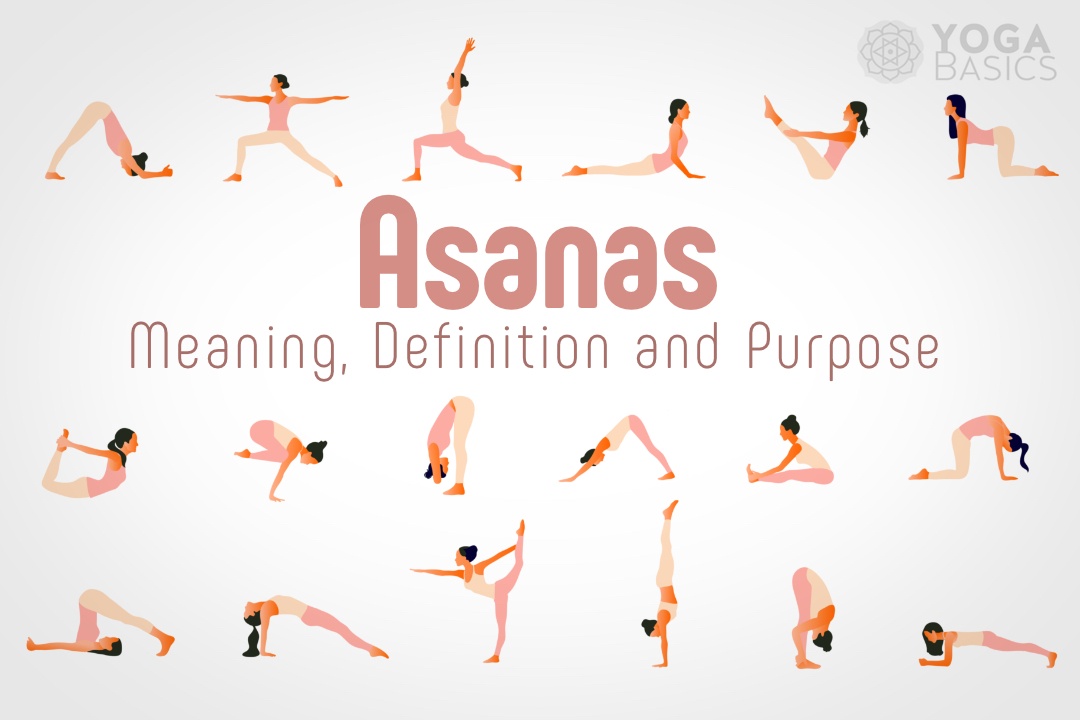
If you’ve ever attended a yoga class, you’ve likely come across the term “asana.” Asanas are the physical postures or poses in yoga that serve as the foundation of modern hatha yoga practice. While most classes cover the basics, there is a wide range of difficulty and complexity when it comes to yoga asanas. To truly grasp and master these poses, it’s essential to explore their history, origin, and current usage in yoga. Acquiring this knowledge allows us to deepen our practice and gain profound insights.
Understanding Asanas in Yoga
Asana, a Sanskrit word, translates to “posture,” “seat,” or “place.” These are the physical positions assumed during hatha yoga practice. Each pose has a unique Sanskrit and English name, with many Sanskrit names ending in “asana.” For example, the lotus pose is known as Padmasana, while the tree pose is called Vrikshasana. The names of these poses often reflect shapes and movements inspired by animals and elements of nature. While some names may vary across different yoga schools and eras, the fundamental principles of alignment and muscle engagement remain consistent across all poses.
Asanas encompass a wide variety of poses, ranging from simple twists and backbends to challenging balancing postures. Each pose can have multiple variations, each offering unique benefits, purposes, and challenges. Asanas can be held as static positions for several breaths or incorporated into dynamic flowing sequences that synchronize movement with breath.
While there is no right or wrong way to perform an asana, it is crucial to adhere to alignment principles, breathing techniques, and mindfulness practices to prevent injuries and maximize the benefits of yoga.
Exploring the Diversity of Yoga Poses
Yoga Sutras by Patanjali mentions asana as one of the eight limbs of yoga, emphasizing the importance of steady and comfortable postures. While the Hatha Yoga Pradipika describes 18 poses and credits Shiva with teaching 84 asanas, the Gheranda Samhita suggests that there are 8,400,000 asanas in total, with 84 considered most beneficial for humankind. Despite this vast number, most yoga classes typically focus on 15-25 poses. Our pose directory features 120 of the main modern asanas with detailed instructions and visuals.
Tracing the Evolution of Asanas
Originally, asanas were simple seated positions designed to aid yogis in meditation, fostering mental focus and relaxation. Over time, more asanas were developed for various purposes. The Goraksha Sataka text introduced non-seated poses in the 11th century, followed by standing poses in the Gheranda Samhita from the 17th century. Modern influences, such as those from B. K. S. Iyengar and Sri Dharma Mittra, have contributed to the expansion and diversification of the asana repertoire.
Distinguishing Yoga Asanas from Other Forms of Exercise
Yoga practice integrates stretching, breathing, mindfulness, and meditation to enhance overall well-being, reduce stress, and improve strength and flexibility. Unlike traditional physical exercises like gymnastics that focus on building muscle mass and endurance, yoga emphasizes the mind-body connection, holistic health, and self-awareness. It is not a competitive sport but rather a journey of self-discovery and balance.
Benefits and Purpose of Asanas
While modern asana practice primarily emphasizes physical health benefits, traditional goals also included spiritual development and overall well-being. Asanas serve multiple purposes, such as strengthening the body for intense spiritual practices, regulating life-force energy, fostering mental and emotional balance, and promoting self-awareness and insight into the true self and reality.
Significance of Asanas in the Yoga Tradition
Asanas represent only a fraction of the vast yoga tradition, which encompasses diverse practices beyond physical poses. While they play a crucial role in promoting self-discipline and self-awareness, they are just one aspect of the holistic union of mind, body, and spirit that yoga seeks to achieve. Asanas are meant to complement, not overshadow, the broader spectrum of yoga practices.