
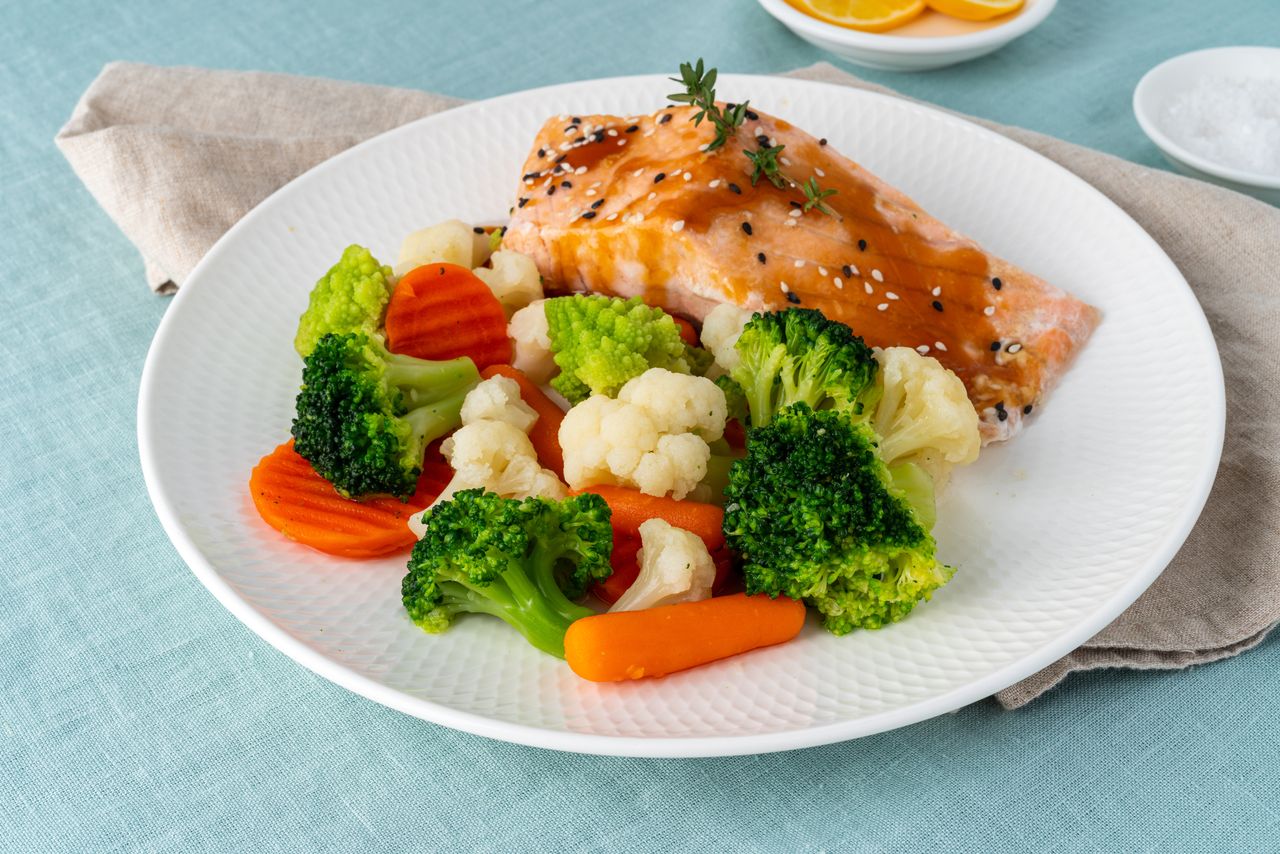
Lectins are proteins commonly found in legumes and grains. The lectin-free diet is becoming increasingly popular among a significant portion of the population.
There are various types of lectins available in the market. While some are harmless, others can lead to digestive issues if consumed raw. Although research on lectins is limited, they are known to contribute to poor digestion, inflammation, and various diseases. Avoiding lectins in your diet may require giving up certain food categories, but proper cooking is also crucial.
An Introduction of Lectin Free Diet
A lectin-free diet involves reducing or eliminating lectins from your diet. It can be beneficial for individuals with food sensitivities.
Most plant-based foods contain lectins, with legumes like beans, lentils, peas, soybeans, and peanuts having high concentrations. Nightshade vegetables such as tomatoes and eggplants, dairy products like milk, and grains like barley, quinoa, and rice also contain lectins. The lectin-free diet is restrictive and eliminates many nutrient-dense foods, some of which may be healthy.
Cooking foods that contain harmful lectins, such as kidney beans, significantly reduces the lectin content, making them safe to eat. However, peanuts remain unsafe for consumption even after cooking.
According to the Food and Drug Administration, boiling beans for 30 minutes can help remove their harmful lectins. After preparing meals properly, it is generally advisable to avoid consuming foods with high levels of active lectins.
A 7 Day Lectin Free Diet Plan
While many foods can be part of a lectin-free diet, there is no specific guidance on meal types or where to source ingredients. Calorie intake and portion sizes are not restricted, so feel free to eat until you are satisfied. You may find yourself eating more than usual but still losing weight.
A 7-day lectin-free diet plan typically starts with a restrictive phase that lasts for the first three days. Before starting any diet, it is essential to consult with your doctor and follow their instructions.
Day 1: You can begin with a spinach smoothie containing avocado, mint, lettuce, lemon juice, and stevia extract. Follow this with 3 ounces of pastured chicken, sautéed mushrooms, and mustard greens cooked in coconut oil. Your day can also include 2 ounces of wild-caught salmon, buttered lettuce with olive oil and lemon, and steamed asparagus.
Day 2: On the second day, you can have 2 ounces of halibut with lemon, sautéed spinach in coconut oil, and a spinach smoothie with avocado, mint, lemon juice, and stevia extract. Incorporate cabbage, broccoli, and carrot stir-fry with kimchi into your diet as well.
Day 3: For day 3, consider cooked asparagus, avocado, raw sauerkraut, beet greens, an avocado and beet smoothie with lemon, and 3 ounces of pastured chicken cooked with kale, garlic, olive oil, and lemon.
Day 4: The diet on the fourth day is similar to day 3, including coconut oil, carrots, beet greens, avocado, lemon juice, walnuts, 3 ounces of pastured chicken, shredded cooked Brussels sprouts, and a raw sauerkraut salad with an ounce of dark chocolate.
Day 5: Consider including green mangoes, avocado, an ounce of dark chocolate, leafy greens, hemp protein powder, a mint and lemon smoothie, 3 ounces of wild-caught cod, and a raw beet salad with basil and pine nuts on day 5.
Day 6: On the sixth day, include coconut milk, almond butter, spinach, hemp protein, raw beet salad, mustard greens with olive oil and lemon dressing, 4 ounces of pastured chicken, asparagus, Napa cabbage, and an ounce of dark chocolate in your diet.
Day 7: On the final day of the diet, continue consuming dark chocolate, walnuts, avocado, 2 ounces of pastured chicken salad, leafy greens with lemon and olive oil dressing, lemon asparagus, and hemp seeds.
Foods to Include
Individuals following a lectin-free diet should be aware of healthy food options. While all animal and plant items contain lectins, some fruits and vegetables have lower levels of lectins. These include apples, arugula, artichokes, asparagus, beets, blackberries, blueberries, broccoli, Brussels sprouts, cabbage, carrots, cauliflower, celery, cherries, chives, collards, kale, leafy greens, leeks, lemons, mushrooms, okra, onions, oranges, pumpkin, radish, raspberries, scallions, strawberries, sweet potatoes, and Swiss chard.
Additionally, animal protein such as beef, chicken, fish, eggs, and fats from avocados, butter, and olive oil can be included in the diet. Nuts and seeds like pecans, pistachios, hemp seeds, flax seeds, pine nuts, Brazil nuts, walnuts, almonds, and sunflower seeds are also suitable options.
Foods to Avoid
Avoid foods that contain lectins, as they can have adverse effects on your health. Examples of such foods include wheat, quinoa, wheat germ, brown rice, oats, barley, pasta, bread, flour, cookies, crackers, cereal, artificial sweeteners, diet drinks, tomatoes, eggplants, bell peppers, hot peppers, cucumbers, peanuts, soy, lentils, split peas, seeds, milk, and non-pasture raised meats.
The HealthifyMe Note
While lectins are present in most plant foods, some foods have lower lectin content, such as broccoli, apples, cabbage, celery, okra, and strawberries. Individuals following a lectin-free diet should avoid grains, milk, diet drinks, legumes, nightshades, and peanuts.
Foods containing lectins are generally considered safe when cooked properly. However, some individuals may be intolerant to these foods, and research on the topic is conflicting. Before adopting a lectin-free diet, it is advisable to consult with a doctor or dietitian.
Tips for Preparation
Following a restrictive diet like the lectin-free diet requires ensuring adequate nutrient intake from other food sources. Since many foods on the lectin-free diet list are high in dietary fiber, it is essential to compensate for this through fruits, vegetables, or dietary supplements to support overall health.
Some tips to keep in mind while following the lectin-free diet include:
- Soak and boil beans to reduce their lectin content.
- Ferment or sprout grains and beans to reduce lectin content.
- Consider an elimination diet to identify sensitivity to lectin-containing foods by removing one food item at a time and observing changes in symptoms.
Consult a doctor or dietitian to ensure you are meeting your daily nutrient requirements. While a lectin-free diet may benefit individuals with certain health issues, nutritionists do not recommend it as a healthy approach to eating or managing health conditions.
Benefits of the Lectin-free Diet
Not all diets yield significant health outcomes or achieve desired goals like weight loss, improved symptoms of chronic inflammation, or better digestion. However, a diet low in processed foods can be highly beneficial. Some advantages of the lectin-free diet include:
1. Inflammatory Response
Consuming high amounts of lectins can trigger an inflammatory response in the body. Studies suggest that lectins may act as a “danger signal” promoting autoimmune diseases through a molecular pathway. Eliminating or reducing lectins can help mitigate inflammation.
2. Nutrient Absorption
Lectins, known as antinutrients, can accumulate in the gut and interfere with nutrient absorption and digestion. Removing lectins from the diet can improve nutrient absorption in the body.
3. Irritable Bowel Syndrome
The lectin-free diet may be beneficial for individuals with irritable bowel syndrome (IBS). Certain foods containing lectins could exacerbate symptoms of constipation, diarrhea, bloating, and other digestive issues associated with IBS. There may be an interaction between lectin-containing foods and other carbohydrates contributing to digestive problems.
Research suggests a connection between FODMAPs (fermentable oligosaccharides, disaccharides, monosaccharides, and polyols) found in some foods and lectin-containing foods in relation to IBS. Further studies are needed to explore how these diets could benefit individuals with IBS.
4. Focus on Whole Foods
The lectin-free diet encourages the consumption of whole, unprocessed foods and discourages processed items. By focusing on vegetables, grass-fed meats, and plant-based fats, the diet helps reduce calorie intake and promotes healthier cooking practices. Improving cooking skills at home is a positive outcome of this dietary approach.
5. Lower Risk of Diseases
Research indicates that processed foods are linked to various health conditions such as cardiovascular diseases, metabolic syndrome, cancer, obesity, and depression. While lectins have a broad range of effects, many are beneficial for human health. Extensive research supports the advantages of consuming plant-based foods, even though some individuals may be intolerant to lectins or consume them excessively.
The HealthifyMe Note
It is not necessary to eliminate all lectin-containing foods from your diet unless you have a specific sensitivity to lectins. Remember that there are many other factors besides diet, such as exercise, sleep, and lifestyle choices, that significantly impact overall well-being. Opt for a balanced diet that suits your lifestyle and ensure you obtain essential nutrients from a variety of food sources while exploring the lectin-free diet.
Drawbacks to the Lectin-Free Diet
While the lectin-free diet offers benefits, there are also drawbacks to consider, including:
Digestive Sensitivity
Consuming lectin-containing foods may lead to gastrointestinal distress in some individuals. This can negatively impact metabolism, as cell membranes are interconnected with the digestive system. Individuals with irritable bowel syndrome may experience adverse effects from antinutrients like lectins. It is advisable to avoid foods that cause digestive issues and consult a healthcare professional if discomfort persists.
Toxicity
Various types of lectins have different effects on the body. Some lectins, such as ricin derived from castor beans, can be highly toxic, while others are relatively benign. It is crucial to avoid consuming raw, soaked, or undercooked beans. For example, phytohemagglutinin, a lectin found in kidney beans, can cause nausea, vomiting, or diarrhea after consuming only a few raw beans. Cooking beans at high temperatures can reduce lectin content and make them safe for consumption.
According to studies, cooking beans for at least 30 minutes can effectively destroy lectins and ensure their safety for consumption. Slow cooking methods may not be sufficient to eliminate lectins, as higher temperatures are needed for their destruction.
May Damage the Digestive Tract
Research suggests that lectins can disrupt digestion and interfere with nutrient absorption, potentially leading to intestinal damage when consumed in large quantities.
Is the Lectin-free Diet A Healthy Choice for You?
While foods like whole grains, tomatoes, and beans are nutritious, they may not be the best choice for individuals sensitive to lectins. Avoiding lectins in the absence of adverse reactions in the body may not be necessary.
Conclusion
Lectins are present in a variety of foods and offer health benefits, but they can also pose challenges for individuals who are intolerant or consume them excessively. Extensive research supports the benefits of plant-based foods, although lectins may be problematic for some individuals. Those who respond well to the lectin-free diet may achieve weight loss goals and better overall health.
However, restrictive diets can sometimes lead to malnutrition or disordered eating. It is essential to understand the principles of a balanced diet and seek guidance from a doctor or dietitian before making significant dietary changes. Ensure that your weight loss efforts do not interfere with any existing health conditions or pregnancy. Adopt a lectin-free diet only if you find it beneficial for your health.
Frequently Asked Questions (FAQs)
Q.What foods do not have lectins?
Foods with minimal or no lectins include grass-fed meats, fish, seafood, poultry, soy-free meat, sheep and dairy products, cruciferous vegetables, avocado, celery, broccoli, sweet potatoes, nuts, and seeds.
Q. Are eggs OK on a lectin-free diet?
Eggs can be included in a lectin-free diet, especially if they are pasture-raised. Cooking can reduce lectin content in food and diminish its ability to bind to cells or other substances present in food.
Q. How do I get rid of lectins in my diet?
Cooking food at high temperatures, such as stewing or boiling, can inactivate most lectins. Soaking grains in water for an extended period can also help remove lectins. Peeling and deseeding high-lectin plant foods like cucumbers and eggplants can further reduce lectin content.
Q. Is coffee high in lectins?
Lectins, a type of protein that binds to carbohydrates, are present in many foods, including beans, lentils, grains, nuts, chocolate, and coffee. While coffee beans contain lectins, their levels are higher in grains, beans, and nuts.
Q. What bread is lectin-free?
Only one type of bread, known as “Barely Bread,” is free of lectins. Made from almonds, seeds, and coconut flour, Barely Bread does not contain any grains. It is rich in fiber, vitamins, minerals, and other beneficial plant compounds, offering various health benefits from improved digestion to reduced hunger and weight loss.
Q. What milk is lectin-free?
Casein, a protein found in cow’s milk, particularly casein A1, has high lectin levels. Even organic milk contains casein, which can impact the digestive system and affect individuals intolerant to gluten. Opting for almond milk over regular milk can provide more nutrition, fewer calories, and a rich source of vitamins and minerals, potentially reducing the risk of heart disease and strengthening bones.
Q. Do bananas have lectins?
Ripe bananas and plantains contain lectins, with the pulp of ripe bananas containing a lectin called Musa acuminata L. To follow a lectin-free diet, opt for green bananas rather than ripe ones, as they contain lower lectin levels and less sugar.
Q.Does oatmeal contain lectins?
Oats are a nutritious food; however, oatmeal contains higher lectin content compared to some other foods and typically contains gluten and a few antinutrients. Oatmeal is also high in starch and carbohydrates, which can lead to increased blood sugar levels and weight gain. It may not be a suitable option for ketogenic, carb-free, or lectin-free diets.
Q.What fruit is lectin-free?
Lectin-free diets eliminate many healthy foods, potentially lacking essential nutrients like fiber. Fruits that are lectin-free include pomegranates, lemons, beets, blackberries, blueberries, apples